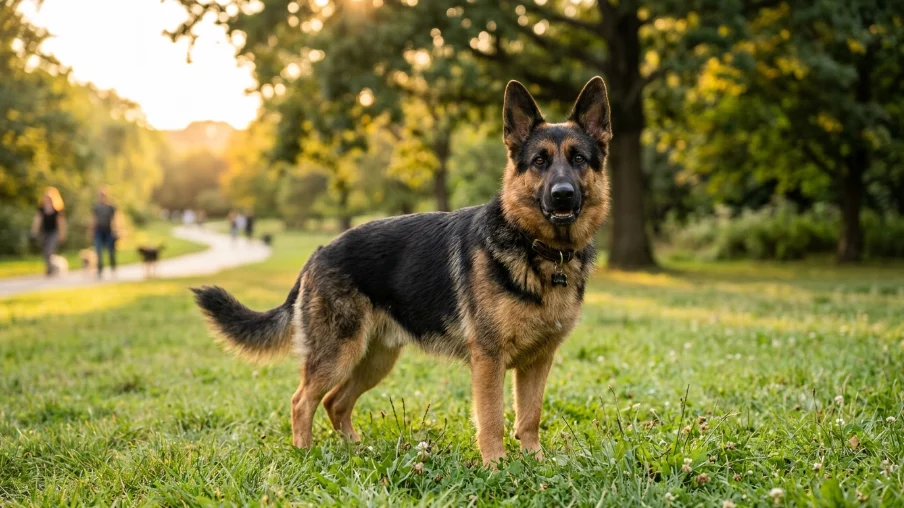
A Miniature German Shepherd is not a separate purebred breed. Most are intentionally bred by crossing a German Shepherd with a smaller dog breed to create a companion-sized dog that resembles a traditional German Shepherd.
While their smaller size appeals to many families, temperament, health, and genetics vary significantly depending on the breeds involved. Experienced breeders focus on predictability and health rather than appearance alone.
Quick Snapshot Table
| Category | Key Details |
|---|---|
| Breed Type | Hybrid designer dog |
| Common Name | Mini German Shepherd |
| Parent Breed | German Shepherd plus smaller breed |
| Common Mixes | Border Collie, Poodle, Corgi, Husky |
| Recognition | Not recognized as purebred |
| Breed Status | Mixed-breed or designer dog |
| Origin Purpose | Smaller companion version of the German Shepherd |
| Height | 15–22 inches |
| Weight | 20–60 lbs |
| Size Category | Medium-sized dog |
| Body Structure | Athletic, compact, agile |
| Coat Type | Double coat or mixed coat depending on parent breed |
| Coat Length | Short, medium, or long |
| Common Colors | Black and tan, sable, black, cream, bi-color, mixed patterns |
| Energy Level | Moderate to high |
| Exercise Needs | 60–120 minutes daily |
| Mental Stimulation Needs | High |
| Trainability | High |
| Intelligence Level | Very high |
| Learning Speed | Fast learner with strong problem-solving skills |
| Temperament | Loyal, intelligent, alert |
| Protective Instinct | Moderate to strong |
| Watchdog Ability | Usually excellent |
| Family Friendly | Usually yes |
| Good With Children | Generally good when socialized |
| Good With Other Pets | Often good with early introductions |
| Apartment Friendly | Depends on exercise |
| Good for First-Time Owners? | More manageable than a full-size German Shepherd but still requires training |
| Socialization Needs | Early and ongoing socialization recommended |
| Barking Level | Moderate |
| Drooling Level | Low |
| Shedding | Moderate to heavy |
| Seasonal Coat Blow | Common in double-coated mixes |
| Grooming Needs | Moderate |
| Brushing Frequency | 2–4 times weekly |
| Working Ability | Strong in obedience, agility, scent work, and dog sports |
| Protection Ability | Moderate |
| Climate Tolerance | Good in cool and moderate climates |
| Heat Tolerance | Moderate with proper hydration |
| Lifespan | 10–15 years |
| Health Outlook | Depends heavily on parent breeds and breeding practices |
| Common Health Issues | Hip dysplasia, elbow dysplasia, allergies, eye disorders, obesity |
| Genetic Diversity Benefit | Some mixes may experience hybrid vigor |
| Recommended Health Tests | Hip, elbow, eye, and genetic screenings of both parent breeds |
| Diet Needs | High-quality protein-rich diet appropriate for activity level |
| Average Puppy Price (2026) | $800–$4,000+ |
| Adoption Availability | Frequently available through shelters and rescue groups |
| Breeder Warning | Verify parent breeds, temperament history, and health testing documentation |
| Ethical Concern | Some breeders market “mini” dogs without transparency about genetics |
| Popularity | Increasing among families seeking a smaller shepherd-type companion |
| Best For | Active families, apartment owners with exercise commitment, and companion-focused homes |
| Expert Ownership Advice | Evaluate the individual dog’s temperament and health rather than focusing solely on size, as traits can vary significantly based on the parent breeds used |
Why So Many People Want a Miniature German Shepherd
German Shepherds are among the world’s most admired dog breeds.
People love their:
- intelligence
- loyalty
- trainability
- striking appearance
However, many potential owners hesitate because of:
- large size
- high exercise needs
- space requirements
The Miniature German Shepherd was developed to offer a smaller alternative that still resembles the iconic shepherd appearance.
The goal sounds simple.
The reality is much more complicated.
Because these dogs are usually mixed breeds, there is no universal standard for size, temperament, or appearance.
What Is a Miniature German Shepherd?
A Miniature German Shepherd is typically a mixed breed created by crossing a German Shepherd with a smaller dog breed.
Common crosses include:
- German Shepherd × Border Collie
- German Shepherd × Poodle
- German Shepherd × Corgi
- German Shepherd × Miniature Husky
- German Shepherd × smaller herding breeds
Unlike a purebred German Shepherd, there is no official breed standard.
Every puppy may inherit different characteristics from each parent.
Important Clarification
A Miniature German Shepherd is not:
- a naturally occurring breed
- a separate kennel club breed
- a dwarf German Shepherd
This distinction is important because dwarfism is a medical condition, while miniature shepherds are typically intentional mixed-breed dogs.
How Miniature German Shepherds Are Created
The Most Common Breeding Methods
Responsible breeders generally use selective crossbreeding to reduce overall size while maintaining desirable German Shepherd traits.
Common goals include:
- smaller body size
- family-friendly temperament
- easier handling
- reduced housing requirements
Why Results Vary So Much
This is where many buyers become surprised.
A puppy may inherit:
- the German Shepherd’s intelligence
- the other parent’s size
- traits from both breeds
Even puppies from the same litter can look dramatically different.
Appearance alone tells you very little about adult size or temperament.
Size and Physical Appearance
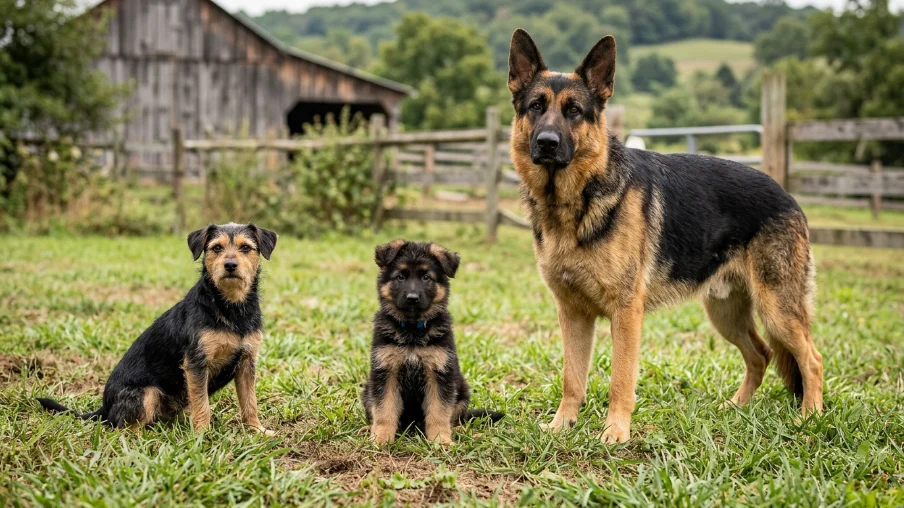
How Big Does a Miniature German Shepherd Get?
Adult size depends heavily on parent breeds.
| Category | Typical Size |
|---|---|
| Height | 15–22 inches |
| Weight | 20–60 lbs |
| Build | Compact to athletic |
| Coat Length | Short to medium |
| Ear Type | Usually upright |
Some resemble smaller German Shepherds almost perfectly.
Others may inherit:
- shorter legs
- different coat textures
- unique facial features
- altered body proportions
Coat Colors
Common colors include:
- black and tan
- sable
- black
- silver sable
- bi-color
Coat appearance often changes significantly during puppy development.
Temperament and Personality
Temperament depends largely on genetics.
Most Miniature German Shepherds inherit at least some of the classic shepherd personality traits.
These often include:
- loyalty
- intelligence
- attentiveness
- trainability
Common Personality Traits
| Trait | Typical Level |
|---|---|
| Intelligence | Very High |
| Loyalty | High |
| Trainability | High |
| Energy | Moderate to High |
| Protective Instinct | Moderate |
| Social Behavior | Variable |
The Real Challenge
The real issue is unpredictability.
A puppy may inherit:
- German Shepherd working drive
- Border Collie intensity
- Poodle sensitivity
- Corgi independence
Predicting adult temperament is never guaranteed.
This is why breeder selection matters so much.
Are Miniature German Shepherds Good Family Dogs?
Many are excellent family companions.
However, success depends on:
- socialization
- training
- inherited traits
- activity levels
Families often appreciate:
- manageable size
- intelligence
- strong bonding tendencies
Families Most Likely to Succeed
These homes typically do well:
- active families
- dog enthusiasts
- experienced owners
- outdoor lifestyles
Families That May Struggle
Challenges often occur when owners expect:
- a low-energy companion
- automatic friendliness
- minimal training requirements
Even in a smaller package, many retain working-dog characteristics.
Training and Intelligence
How Easy Are They to Train?
Most Miniature German Shepherds learn quickly.
German Shepherd genetics often contribute:
- problem-solving ability
- command retention
- owner focus
Best Training Methods
Focus on:
- positive reinforcement
- consistency
- mental stimulation
- confidence building
Avoid:
- harsh punishment
- inconsistent rules
- insufficient exercise
Highly intelligent dogs often become destructive when bored.
Puppy Development Timeline
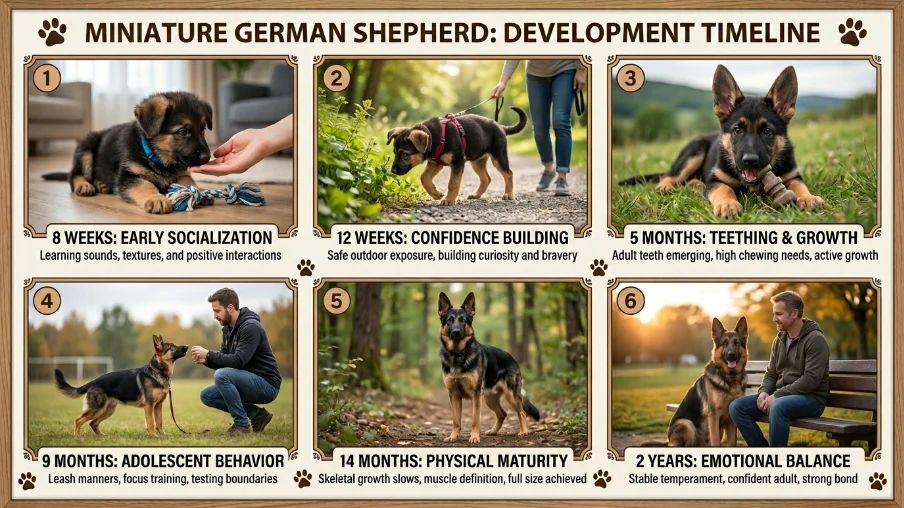
Most Miniature German Shepherd puppies experience rapid physical and behavioral changes during their first two years. Because these dogs are mixed breeds, growth patterns can vary significantly depending on genetics.
Growth Timeline Table
| Age | Development Stage |
|---|---|
| 8–12 Weeks | Socialization period begins |
| 3–4 Months | Confidence and curiosity increase |
| 5–6 Months | Teething stage develops |
| 6–12 Months | Adolescent testing behaviors appear |
| 12–18 Months | Physical growth slows |
| 18–24 Months | Adult temperament stabilizes |
What Owners Usually Notice First
Most puppies quickly display:
- intelligence
- curiosity
- strong attachment
- eagerness to learn
However, adolescence often brings:
- stubbornness
- boundary testing
- increased energy
This stage is completely normal and requires consistency rather than punishment.
Exercise Requirements
Despite their smaller size, most Miniature German Shepherds remain active dogs.
Daily Activity Needs
Most adults need:
- 60–120 minutes of activity
- daily walks
- mental enrichment
- interactive play
Best Activities
| Activity | Benefit |
|---|---|
| Obedience Training | Mental stimulation |
| Hiking | Physical exercise |
| Puzzle Toys | Problem solving |
| Fetch | Energy release |
| Agility | Coordination |
Many behavioral issues result from boredom rather than poor temperament.
Grooming and Shedding
Grooming requirements depend on coat type.
Common Grooming Needs
Weekly care often includes:
- brushing
- nail trimming
- ear cleaning
- coat inspections
Shedding Expectations
Most Miniature German Shepherds shed moderately to heavily.
Dogs inheriting German Shepherd coats often experience:
- seasonal shedding
- undercoat blowouts
- year-round hair loss
Health and Lifespan
Common Health Concerns
Potential health issues may include:
- hip dysplasia
- elbow dysplasia
- allergies
- eye disorders
- inherited breed-specific conditions
Average Lifespan
Most live:
- 10 to 15 years
Lifespan depends largely on:
- genetics
- nutrition
- exercise
- preventive healthcare
Common Mistakes Buyers Make
Choosing Based Only on Appearance
Many buyers focus on:
- coat color
- puppy photos
- size claims
Experienced breeders focus on:
- health testing
- temperament
- pedigree evaluation
Assuming They Are Low Maintenance
Smaller size does not mean lower needs.
Many miniature shepherds remain:
- highly intelligent
- energetic
- mentally demanding
Insights Most Articles Miss
There Is No Universal Miniature German Shepherd Standard
Every breeder may produce different results.
Adult Size Can Be Difficult to Predict
Mixed-breed genetics create significant variation.
Working Instincts Often Remain Strong
Many retain:
- herding tendencies
- alertness
- problem-solving ability
A smaller body does not necessarily create an easier dog.
Buyer Warning Section
Red Flags to Watch For
Be cautious if a breeder:
- guarantees exact adult size
- avoids discussing parent breeds
- lacks health testing
- focuses only on appearance
- markets extreme miniaturization
Signs of a Responsible Breeder
Look for breeders who:
- health test parents
- explain genetic expectations
- discuss temperament honestly
- provide veterinary records
Lifestyle Compatibility
| Lifestyle | Good Match? |
|---|---|
| Active Family | Excellent |
| Outdoor Enthusiast | Excellent |
| Experienced Owner | Excellent |
| Apartment Living | Possible |
| Sedentary Lifestyle | Poor |
| Minimal Training Household | Poor |
Preparation Checklist
You May Be Ready If:
- you enjoy daily training
- you can provide regular exercise
- you understand mixed-breed variability
- you want an involved companion
You May Want Another Breed If:
- you prefer low-maintenance dogs
- you dislike shedding
- you want guaranteed size predictability
- you cannot provide mental stimulation
Frequently Asked Questions
Is a Miniature German Shepherd a real breed?
No. It is generally a mixed-breed dog designed to resemble a smaller German Shepherd.
How big do Miniature German Shepherds get?
Most weigh between 20 and 60 pounds, depending on genetics.
Do Miniature German Shepherds shed?
Yes. Many inherit moderate to heavy shedding tendencies.
Are they good with children?
Many are excellent family dogs when properly socialized and trained.
Are Miniature German Shepherds healthier than German Shepherds?
Not necessarily. Health depends on genetics and breeding practices.
Are Miniature German Shepherds easier to manage?
Their smaller size may help physically, but many still require significant exercise and mental engagement.
Conclusion
The Miniature German Shepherd offers an appealing combination of German Shepherd intelligence and a more manageable size. However, these dogs are not a separate breed, and their traits can vary widely depending on genetics.
The best owners focus on:
- health
- temperament
- training
- breeder quality
rather than appearance alone.
When bred responsibly and raised correctly, a Miniature German Shepherd can become a loyal, intelligent, and highly rewarding companion for active households.