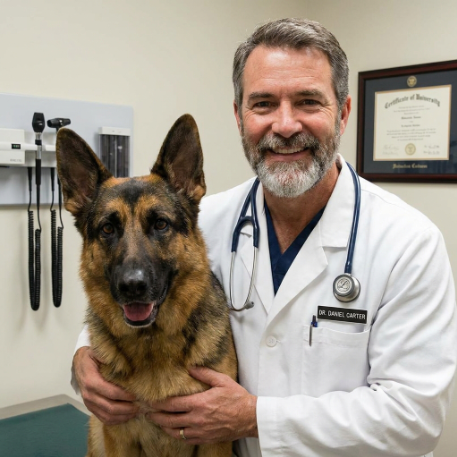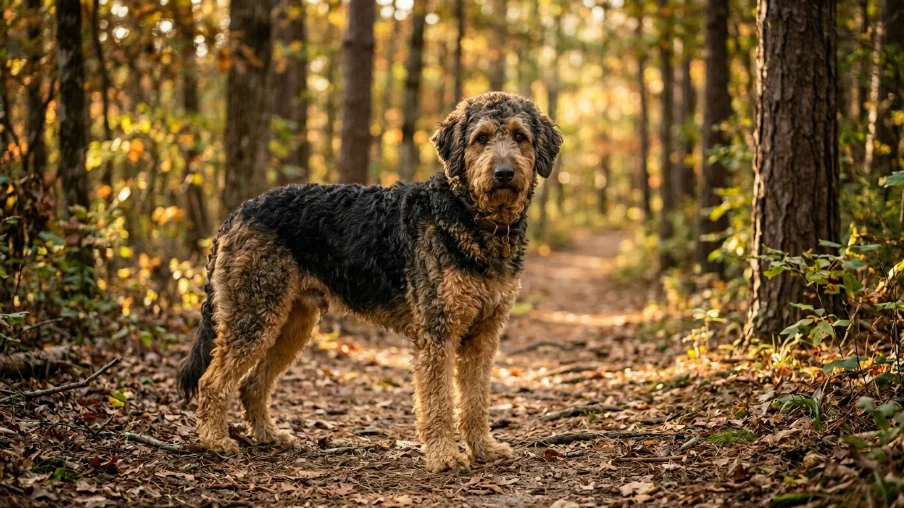
The German Shepherd Poodle Mix, commonly known as the Shepadoodle, is an intelligent and versatile hybrid that combines the loyalty of the German Shepherd with the Poodle’s trainability and low-shedding qualities. Typically weighing between 50 and 90 pounds, Shepadoodles are energetic, affectionate companions with wavy or curly coats. They thrive in active households and excel as family pets, service dogs, and working companions when provided with proper training and daily exercise.
Quick Snapshot Table
| Category | Details |
|---|---|
| Breed Type | Hybrid Dog |
| Common Name | Shepadoodle |
| Parent Breeds | German Shepherd and Poodle |
| Alternative Names | German Shepherd Poodle Mix |
| Size | Medium to Large |
| Weight | 50–90 lbs |
| Height | 20–28 inches |
| Lifespan | 10–14 years |
| Energy Level | Very High |
| Intelligence | Extremely High |
| Trainability | Excellent |
| Family Friendly | Usually Yes |
| Good With Children | Often Yes |
| Good With Other Dogs | Generally Good When Socialized |
| Stranger Friendly | Moderate |
| Affection Level | High |
| Loyalty Level | Very High |
| Protective Instinct | Moderate to High |
| Watchdog Ability | Excellent |
| Guard Dog Ability | Moderate |
| Shedding | Low to Moderate |
| Coat Type | Wavy, Curly, or Fleece Coat |
| Coat Length | Medium to Long |
| Grooming Needs | Moderate to High |
| Professional Grooming | Every 6–8 Weeks Often Recommended |
| Hypoallergenic | Not Guaranteed, but Often Lower Shedding |
| Drooling | Low |
| Barking Level | Moderate |
| Apartment Friendly | Possible with Adequate Exercise |
| Exercise Needs | 60–120 Minutes Daily |
| Mental Stimulation Needs | Very High |
| Prey Drive | Moderate |
| Off-Leash Reliability | Moderate to High with Training |
| Working Ability | Excellent |
| Service Dog Potential | High |
| Therapy Dog Potential | High |
| Beginner Owner Friendly | Moderate |
| Experience Level | Intermediate Owners Preferred |
| Climate Preference | Moderate Climates |
| Heat Tolerance | Moderate |
| Cold Tolerance | Good |
| Adaptability | High |
| Socialization Importance | Extremely Important |
| Training Difficulty | Easy to Moderate |
| Food Consumption | 2.5–4.5 Cups Daily |
| Common Coat Colors | Black, Black & Tan, Sable, Cream, White, Gray, Parti |
| Eye Color | Brown, Amber, Hazel |
| Puppy Price Range | $1,000–$3,500+ |
| AKC Recognition | Not Recognized (Hybrid Breed) |
| Best For | Active Families, Therapy Work, Service Work, Outdoor Lifestyles |
| Not Ideal For | Low-Activity Households |
| Common Health Concerns | Hip Dysplasia, Elbow Dysplasia, Bloat, Degenerative Myelopathy, Progressive Retinal Atrophy, Allergies |
| Daily Exercise Requirement | 1–2 Hours Minimum |
| Lifelong Training Need | Moderate to High |
| Escape Artist Potential | Moderate |
| Overall Maintenance Level | Moderate to High |
Why So Many People Want a German Shepherd Poodle Mix
The Shepadoodle combines two of the most intelligent dog breeds in the world.
That combination attracts owners looking for:
- a highly trainable companion
- a family-friendly dog
- an active outdoor partner
- a potentially lower-shedding alternative to a purebred German Shepherd
However, there is an important reality many first-time buyers overlook.
Mixed-breed genetics are unpredictable.
One puppy may inherit more German Shepherd traits, while another may strongly resemble the Poodle side in both appearance and temperament.
Appearance alone tells you very little about the adult dog you will eventually own.
What Is a German Shepherd Poodle Mix?
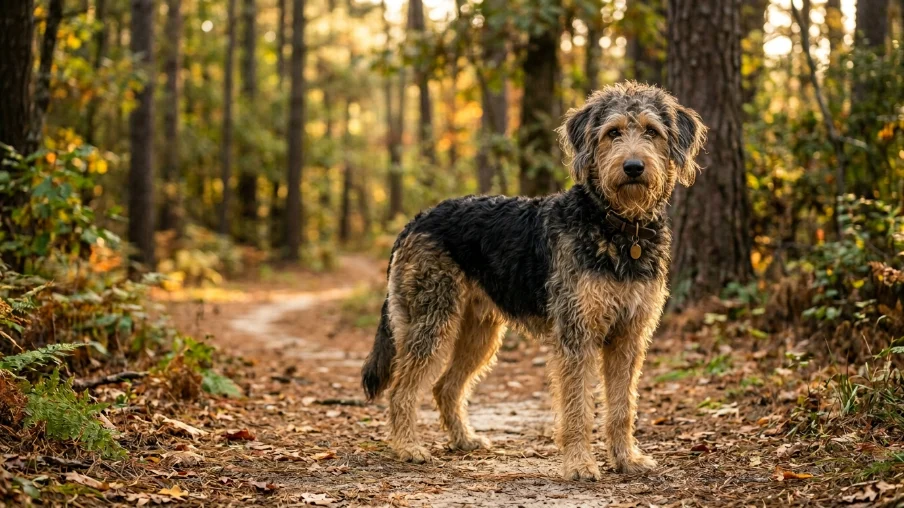
A German Shepherd Poodle Mix is a hybrid produced by crossing a German Shepherd Dog with a Standard Poodle.
The goal is typically to combine:
- intelligence
- trainability
- athletic ability
- family companionship
The result is often a highly versatile dog capable of excelling in active households, dog sports, advanced obedience, and service work.
Appearance and Physical Characteristics
Size Expectations
Most adult Shepadoodles are medium to large dogs.
| Gender | Typical Weight |
|---|---|
| Female | 50–75 lbs |
| Male | 60–90 lbs |
Individual size depends heavily on:
- genetics
- parent size
- nutrition
- overall health
Coat Types
Coat variation is one of the most unpredictable aspects of the breed.
Common coat types include:
- curly
- wavy
- shaggy
- straight
- fleece-like
Some puppies develop coats that resemble Poodles, while others inherit heavier German Shepherd characteristics.
Common Colors
Popular coat colors include:
- black
- sable
- black and tan
- cream
- silver
- brown
- bi-color combinations
Temperament and Personality
German Shepherd Traits They Often Inherit
Many Shepadoodles display:
- loyalty
- environmental awareness
- strong family bonds
- protective instincts
- handler focus
Poodle Traits They Often Inherit
Common Poodle influences include:
- exceptional intelligence
- problem-solving ability
- emotional sensitivity
- eagerness to learn
When Both Traits Combine
This can create a dog that is:
- highly trainable
- deeply attached to family
- mentally demanding
- emotionally intelligent
The real challenge is not obedience.
The real challenge is providing enough mental stimulation.
Are German Shepherd Poodle Mixes Good Family Dogs?
For many families, the answer is yes.
These dogs usually thrive when they receive:
- daily exercise
- consistent training
- structured routines
- family interaction
Families That Usually Succeed
- Active households
- Outdoor enthusiasts
- Experienced dog owners
- Training-oriented families
Families That Often Struggle
- Sedentary households
- Owners away for long hours
- People seeking low-maintenance dogs
A bored Shepadoodle often creates its own entertainment.
Unfortunately, that entertainment may involve chewing furniture, barking, or destructive behavior.
Are Shepadoodles Hypoallergenic?
This is one of the biggest misconceptions surrounding the breed.
The Truth About Allergies
No dog is truly hypoallergenic.
While some Shepadoodles inherit lower-shedding coats from the Poodle side, others shed significantly more.
Why Breeders Cannot Guarantee Hypoallergenic Puppies
Mixed-breed genetics remain unpredictable.
Even puppies from the same litter can develop:
- different coat textures
- different shedding levels
- different allergy impacts
Buyers seeking allergy-friendly dogs should spend time around adult dogs before making a decision.
Intelligence and Trainability
Why They Learn So Quickly
Both parent breeds were originally developed for work.
As a result, Shepadoodles often excel in:
- obedience
- agility
- scent work
- therapy work
- service dog training
Best Training Approach
Successful owners prioritize:
- positive reinforcement
- consistency
- engagement
- impulse control
These dogs learn quickly but also learn unwanted behaviors quickly.
Puppy Development Timeline
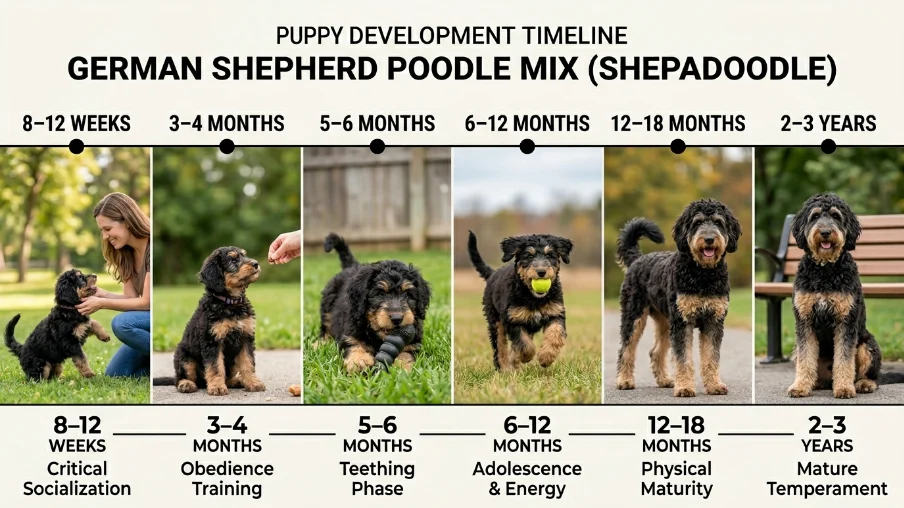
Most German Shepherd Poodle Mix puppies grow rapidly during the first two years. Development varies based on genetics, nutrition, socialization, and overall health.
Growth Timeline Table
| Age | Development Stage |
|---|---|
| 8–12 Weeks | Critical socialization period |
| 3–4 Months | Confidence building and rapid learning |
| 5–6 Months | Teething begins |
| 6–12 Months | Adolescence develops |
| 12–18 Months | Physical maturity increases |
| 18–24 Months | Mental maturity improves |
| 2–3 Years | Full adult temperament develops |
The Fear Periods Most Owners Miss
Many puppies experience temporary fear periods during development.
These stages can influence:
- confidence
- social behavior
- environmental reactions
Proper handling during these phases is essential.
The Adolescent Regression Stage
Between 6 and 18 months many owners notice:
- selective listening
- increased independence
- testing boundaries
- bursts of energy
This stage is normal but requires consistent training.
Exercise Requirements
This is not a low-energy breed.
Most adults require:
- 1.5 to 3 hours of daily activity
- mental enrichment
- structured exercise
Best Activities
| Activity | Benefit |
|---|---|
| Hiking | Endurance |
| Agility | Coordination |
| Obedience | Mental stimulation |
| Nose Work | Problem solving |
| Swimming | Joint-friendly exercise |
| Fetch | Energy outlet |
Common Exercise Mistake
Many owners create athletes instead of balanced dogs.
Constant physical activity without calmness training can create overstimulation.
Mental exercise matters just as much.
Grooming and Shedding
Shedding Expectations
Shedding levels vary significantly.
Some dogs shed lightly.
Others inherit heavier German Shepherd shedding patterns.
Grooming Routine
Most require:
- brushing several times weekly
- ear cleaning
- nail trimming
- professional grooming if curly coated
Cost and Puppy Pricing
How Much Does a German Shepherd Poodle Mix Cost?
Prices often range between:
| Quality Level | Typical Price |
|---|---|
| Pet Quality | $800–$1,500 |
| Health-Tested Breeder | $1,500–$3,500+ |
Factors Affecting Price
- breeder reputation
- health testing
- location
- pedigree quality
- puppy demand
Why Cheap Puppies Can Be Expensive
Low-cost puppies frequently come with:
- poor socialization
- health issues
- behavioral problems
- lack of health testing
Health and Genetic Concerns
Common Health Risks
| Condition | Risk |
|---|---|
| Hip Dysplasia | Moderate to High |
| Elbow Dysplasia | Moderate |
| Bloat | Serious |
| Degenerative Myelopathy | Possible |
| Eye Disorders | Possible |
| Allergies | Common |
What Responsible Breeders Test
Ethical breeders typically screen:
- hips
- elbows
- genetic diseases
- temperament quality
Health testing is one of the strongest indicators of breeder quality.
F1 vs F1B German Shepherd Poodle Mix
F1 Shepadoodle
| Trait | Details |
|---|---|
| Genetics | 50% German Shepherd, 50% Poodle |
| Predictability | Moderate |
| Shedding | Variable |
F1B Shepadoodle
| Trait | Details |
|---|---|
| Genetics | Higher Poodle influence |
| Predictability | Slightly higher |
| Shedding | Often lower |
No generation guarantees a specific coat or temperament.
Working Ability and Dog Sports
Many Shepadoodles excel in structured activities.
Popular Activities
- Obedience
- Agility
- Tracking
- Therapy work
- Service work
- Rally competitions
These dogs thrive when given meaningful jobs.
Challenges of Owning a Shepadoodle
Separation Anxiety
Strong attachment can create stress when left alone.
Overstimulation
Highly intelligent dogs can become overwhelmed in chaotic environments.
Excessive Barking
Insufficient exercise often increases vocal behavior.
Destructive Habits
Mental boredom frequently leads to chewing and digging.
Stranger Reactivity
Some inherit stronger protective instincts from German Shepherd bloodlines.
How to Choose a Responsible Breeder
Questions to Ask
- Are health tests completed?
- Can I meet the parents?
- How are puppies socialized?
- What temperament traits are prioritized?
Red Flags
- No health documentation
- Focus on color only
- Unrealistic guarantees
- Poor living conditions
Lifestyle Compatibility
| Lifestyle | Good Match? |
|---|---|
| Active Family | Excellent |
| Outdoor Lifestyle | Excellent |
| Experienced Owner | Excellent |
| Apartment Living | Possible |
| Sedentary Lifestyle | Poor |
| Low-Effort Ownership | Poor |
Preparation Checklist
You May Be Ready If
- you enjoy training dogs
- you can provide daily exercise
- you have time for grooming
- you understand working breeds
You May Want Another Breed If
- you want a low-energy companion
- you dislike shedding
- you cannot commit to training
- you travel frequently
Frequently Asked Questions
How big does a German Shepherd Poodle Mix get?
Most adults weigh between 50 and 90 pounds.
Do Shepadoodles shed?
Yes. Shedding levels vary significantly based on genetics.
Are they hypoallergenic?
No dog is completely hypoallergenic.
Are they easy to train?
Yes. They are among the most trainable hybrid breeds.
Are they good family dogs?
Usually yes, especially in active and engaged households.
How long do they live?
Most live between 10 and 14 years.
Conclusion
The German Shepherd Poodle Mix offers a rare combination of intelligence, athleticism, loyalty, and versatility. However, successful ownership depends on far more than coat type or appearance.
The best Shepadoodles are not defined by color, curl pattern, or marketing terms. Experienced breeders focus on temperament stability, health testing, confidence, trainability, and sound structure. Those factors ultimately determine whether a puppy grows into a dependable companion for the next decade or more.