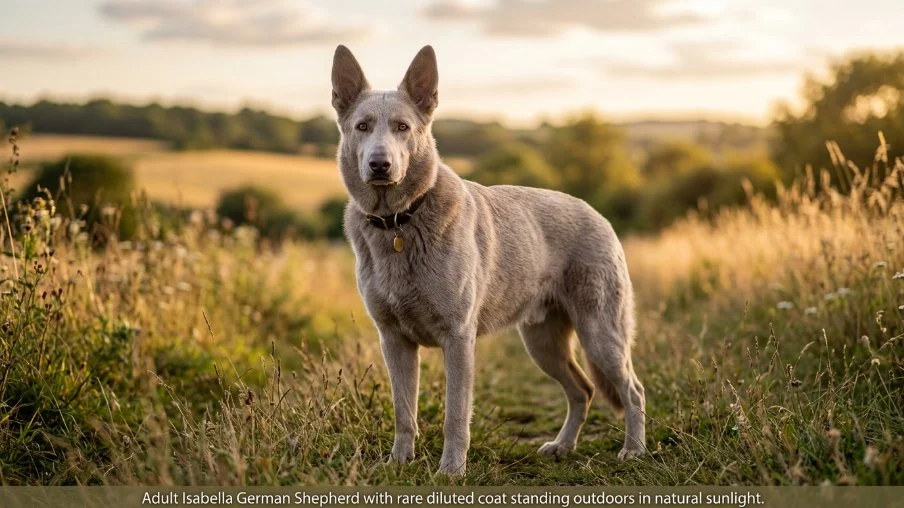
The Isabella German Shepherd is an extremely rare dilute-colored German Shepherd with a pale lilac, silver, or liver-toned coat caused by recessive color genetics. While the color attracts attention online, experienced breeders prioritize nerve stability, structure, and health over appearance alone.
The real issue is not rarity it is whether the dog was bred responsibly. Poor breeding practices focused only on unusual colors can increase the risk of unstable temperament and weak structure.
Quick Snapshot Table
| TraitIsabella German Shepherd | |
|---|---|
| Breed Type | German Shepherd Dog |
| Coat Color | Diluted liver / lilac-gray |
| Color Genetics | Recessive dilute + liver genes |
| Rarity | Extremely rare |
| Recognition Status | Not recognized as a standard GSD color by many kennel clubs |
| Size | Large |
| Height | 22–26 inches |
| Weight | 50–90 lbs |
| Body Build | Muscular, athletic, agile |
| Eye Color | Amber, light brown, or hazel |
| Nose Color | Liver or grayish-brown |
| Coat Type | Medium or long double coat |
| Shedding Level | Very heavy year-round |
| Temperament | Intelligent, loyal, protective |
| Energy Level | Very high |
| Trainability | Advanced |
| Intelligence Ranking | Among the smartest dog breeds |
| Protective Instinct | Strong guarding instincts |
| Socialization Needs | Early socialization essential |
| Exercise Needs | 1.5–2+ hours daily |
| Mental Stimulation Needs | Very high |
| Apartment Friendly? | Usually not ideal |
| Good with Families? | Yes, with training and socialization |
| Good with Children? | Generally yes when raised properly |
| Good with Other Pets? | Can be, with early exposure |
| Good for First Owners? | Usually not ideal |
| Climate Tolerance | Better in cool to moderate climates |
| Lifespan | 9–13 years |
| Common Concerns | Hip dysplasia, allergies, poor breeding |
| Skin Sensitivity | More common in dilute-coated dogs |
| Potential Genetic Risks | Color dilution-related issues from unethical breeding |
| Barking Level | Moderate to high |
| Drooling Level | Low |
| Diet Needs | High-protein active-breed diet |
| Grooming Needs | Brush 3–5 times weekly |
| Best For | Active experienced owners |
| Working Ability | Excellent in obedience, protection, and sport work |
| Popularity | Rare niche variation |
| Average Price (2026) | $3,000–$10,000+ depending on lineage |
| Breeder Warning | Avoid breeders prioritizing color over health |
| Overall Maintenance | High-maintenance breed variation |
What Is an Isabella German Shepherd?
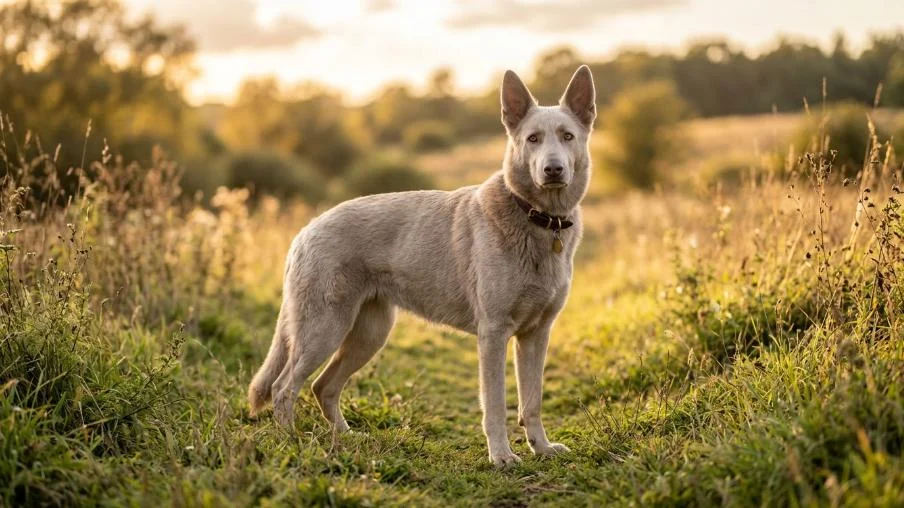
An Isabella German Shepherd is a color variation of the German Shepherd created through recessive dilute genetics.
The coat typically appears:
- pale liver
- silver-lilac
- dusty gray-brown
- faded champagne
Most Isabella German Shepherds also have:
- lighter noses
- amber or light eyes
- diluted paw pigmentation
Here is where most people get it wrong: Isabella is not a separate breed.
It is still a German Shepherd in every behavioral and structural sense. The color changes nothing about the breed’s core working-dog instincts.
Why the Isabella Color Happens
The Isabella coloration comes from a combination of:
- liver genes
- dilution genes
Both parents must carry the recessive genetics for puppies to inherit the coat.
Genetic Overview
| Gene Influence | Effect |
|---|---|
| Liver Gene | Reduces black pigmentation |
| Dilution Gene | Fades pigment intensity |
| Combined Result | Isabella/lilac appearance |
Experienced breeders focus on something else entirely: whether those genetics were introduced without sacrificing working ability or stable temperament.
A beautiful coat means very little if the dog lacks confidence, nerve strength, or healthy structure.
Storytelling Hook: Why People Become Obsessed With This Color
The first time most people see an Isabella German Shepherd, they assume the dog was edited in a photo.
The pale coat looks almost unreal compared to traditional black-and-tan shepherds. Social media has amplified the fascination, especially with puppies photographed in soft natural light.
But appearance alone hides important realities.
Some Isabella dogs come from excellent working bloodlines and responsible programs. Others are produced quickly for high prices with little attention paid to orthopedic health or temperament testing.
That difference matters far more than color.
Educational Core: Isabella vs Standard German Shepherd
Coat Comparison Table
| Feature | Isabella GSD | Standard GSD |
|---|---|---|
| Color | Diluted lilac/liver | Black & tan, sable, black |
| Rarity | Extremely rare | Common |
| Price | Often much higher | Moderate |
| Temperament | Same breed traits | Same breed traits |
| AKC Recognition | Color fault | Standard accepted colors preferred |
| Working Ability | Depends on breeding | Depends on breeding |
The important point is this:
A well-bred Isabella German Shepherd should still behave like a true German Shepherd:
- highly trainable
- environmentally stable
- confident
- driven
- loyal
- athletic
If the dog lacks those qualities, the problem is breeding quality not the color itself.
Temperament & Behavior
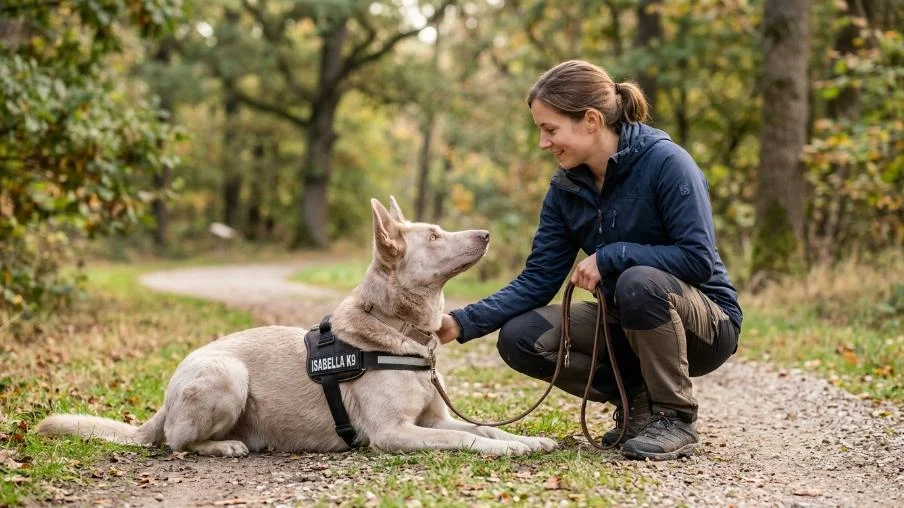
What Is the Isabella German Shepherd Personality Like?
The Isabella German Shepherd typically has the same core temperament seen in the breed overall:
- deeply loyal
- handler-focused
- intelligent
- protective
- energetic
- observant
However, genetics and early socialization matter enormously.
Key Behavioral Traits
| Trait | Typical Level |
|---|---|
| Intelligence | Extremely high |
| Protective Instinct | High |
| Trainability | High |
| Stranger Suspicion | Moderate to high |
| Prey Drive | Moderate to high |
| Separation Tolerance | Moderate |
| Energy Needs | Very high |
The Real Challenge: Drive
Many people buy German Shepherds expecting a calm family pet.
That is often unrealistic.
Even diluted-color shepherds retain:
- working instincts
- environmental sensitivity
- problem-solving behavior
- high stimulation needs
Without structure, they can become:
- destructive
- reactive
- anxious
- vocal
- obsessive
This is why experienced owners stress:
Mental exhaustion matters as much as physical exercise.
Health & Genetics
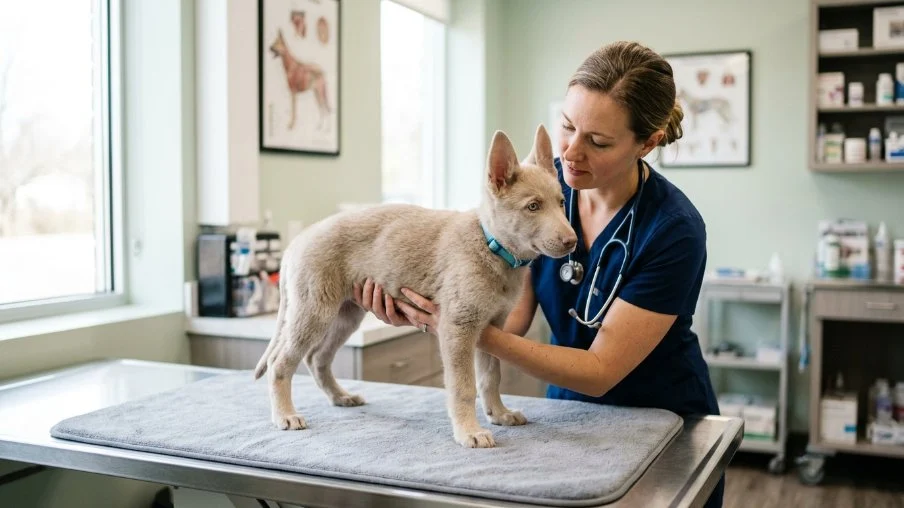
Are Isabella German Shepherds Healthy?
The answer depends entirely on breeding quality.
The Isabella color itself is not automatically dangerous, but irresponsible color-focused breeding increases risk dramatically.
Common Health Issues
| Health Condition | Risk Level |
|---|---|
| Hip Dysplasia | Common |
| Elbow Dysplasia | Common |
| Degenerative Myelopathy | Moderate |
| Allergies | Moderate |
| Skin Sensitivity | Sometimes elevated |
| Digestive Issues | Moderate |
The Breeder Problem Most Articles Ignore
The rare-color market attracts:
- backyard breeders
- trend-based breeding
- inexperienced programs
- profit-focused litters
The real issue is not the dilute gene alone.
The real danger is breeders ignoring:
- OFA testing
- temperament evaluation
- working structure
- pedigree stability
A structurally weak German Shepherd with a rare coat is still a poorly bred dog.
Puppy Development Timeline
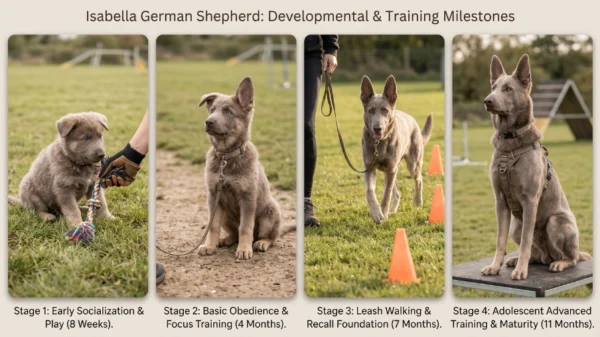
Isabella German Shepherd Puppy Stages
| Age | Development Stage | What to Expect |
|---|---|---|
| 8–12 Weeks | Socialization window | Fear exposure matters greatly |
| 3–6 Months | Learning phase | Rapid intelligence growth |
| 6–12 Months | Adolescence | Testing boundaries |
| 12–24 Months | Mental maturity | Drive intensifies |
| 2–3 Years | Full maturity | Stable adult temperament |
Critical Puppy Advice
Early mistakes create long-term behavioral problems.
Prioritize:
- structured socialization
- confidence building
- environmental exposure
- leash neutrality
- impulse control
Avoid:
- dog park overexposure
- chaotic introductions
- fear-based corrections
- isolation during development
Step-by-Step Care Guide
Exercise Requirements
Adult Isabella German Shepherds often require:
- 90–120 minutes daily activity
- obedience work
- scent games
- structured walks
- advanced training
Simply putting the dog in a backyard is rarely enough.
Grooming Needs
| Grooming Task | Frequency |
|---|---|
| Brushing | 3–4x weekly |
| Heavy Shedding Care | Daily during seasonal blowout |
| Bathing | Every 6–8 weeks |
| Nail Trimming | Monthly |
| Ear Checks | Weekly |
Feeding Guidance
High-quality large-breed nutrition matters significantly during growth.
Overfeeding puppies increases orthopedic stress.
Experienced breeders usually recommend:
- controlled growth
- lean body condition
- joint-supportive nutrition
- measured portions
Common Mistakes Owners Make
1. Buying for Color Alone
This is the biggest mistake.
A stable temperament matters more than a rare coat.
2. Underestimating Mental Needs
German Shepherds need:
- engagement
- purpose
- structured routines
Boredom creates behavioral problems quickly.
3. Poor Socialization
Fear periods in shepherds are real.
Improper exposure during puppyhood can create:
- reactivity
- insecurity
- environmental stress
4. Ignoring Structural Quality
Loose joints, weak backs, and unstable movement should never be dismissed because a puppy looks “rare.”
Insights Most Articles Miss
Rare Colors Can Distort Buyer Priorities
Online trends have changed how many people shop for dogs.
Some buyers now prioritize:
- unusual color
- eye color
- rarity
- social media appearance
Experienced working-dog handlers focus on:
- nerve strength
- movement
- recovery from stress
- confidence
- handler engagement
That difference separates ethical breeding from trend breeding.
Not Every Isabella Shepherd Is Poorly Bred
There are responsible breeders producing dilute-color German Shepherds carefully.
The key is transparency.
Good breeders willingly discuss:
- health testing
- temperament history
- pedigree goals
- working titles
- structural evaluations
If a breeder only talks about “rare color,” walk away.
Buyer Warning Section
Red Flags When Buying an Isabella German Shepherd
Avoid breeders who:
- advertise only rarity
- avoid health certifications
- refuse video calls
- sell puppies too young
- cannot explain pedigree goals
- promise “perfect protection dogs”
- produce many rare colors at once
Green Flags
| Good Breeder Signs | Why It Matters |
|---|---|
| OFA health testing | Reduces orthopedic risk |
| Temperament-tested parents | Improves stability |
| Puppy socialization plans | Better confidence |
| Honest contract terms | Ethical practices |
| Structural evaluation | Better long-term movement |
Lifestyle Compatibility
Is an Isabella German Shepherd Right for You?
Best For:
- active owners
- experienced handlers
- working-dog enthusiasts
- structured households
- training-focused families
Not Ideal For:
- sedentary lifestyles
- minimal-training homes
- long work-hour absences
- first-time large working dog owners
Lifestyle Match Table
| Lifestyle | Good Match? |
|---|---|
| Apartment living | Sometimes |
| Rural property | Excellent |
| Active family | Excellent |
| Elderly inactive home | Poor fit |
| Competitive dog sports | Excellent |
Preparation Checklist
Before Bringing One Home
Essential Checklist
- Secure crate
- Large-breed puppy food
- Veterinary plan
- Training schedule
- Grooming tools
- Structured socialization plan
- Financial emergency fund
- Time commitment assessment
Questions to Ask Yourself
- Can I handle a highly intelligent working dog?
- Do I enjoy structured training?
- Can I commit to daily exercise?
- Am I choosing temperament over appearance?
Those questions matter more than coat color.
FAQs
Are Isabella German Shepherds rare?
Yes. Isabella German Shepherds are considered extremely rare because the coat requires multiple recessive genes.
Are Isabella German Shepherds recognized by kennel clubs?
Most major kennel organizations recognize the dog as a German Shepherd but do not consider Isabella a preferred standard color.
How much does an Isabella German Shepherd cost?
Prices are often significantly higher than standard German Shepherd puppies because of rarity. However, high pricing does not guarantee quality breeding.
Do Isabella German Shepherds have blue eyes?
Some puppies may have lighter eyes temporarily, but mature eye color is usually amber, hazel, or light brown.
Are Isabella German Shepherds good family dogs?
Well-bred and properly trained individuals can be excellent family companions, but they require consistent structure and socialization.
Do dilute German Shepherds have more health problems?
Not necessarily. The larger concern is irresponsible breeding practices focused only on color rarity rather than overall genetic quality.
Conclusion
The Isabella German Shepherd is undeniably striking.
Its diluted coat creates one of the rarest appearances seen in the German Shepherd world, and that visual uniqueness continues to drive demand in 2026.
But experienced breeders consistently return to the same point:
Temperament, structure, and health always matter more than color.
A stable, well-bred German Shepherd with sound nerves and proper movement will outperform a poorly bred “rare” dog every time both as a companion and as a working partner.
If you are considering an Isabella German Shepherd, focus less on rarity and more on breeder ethics, genetic testing, behavioral stability, and long-term quality of life.
That is where responsible ownership truly begins.