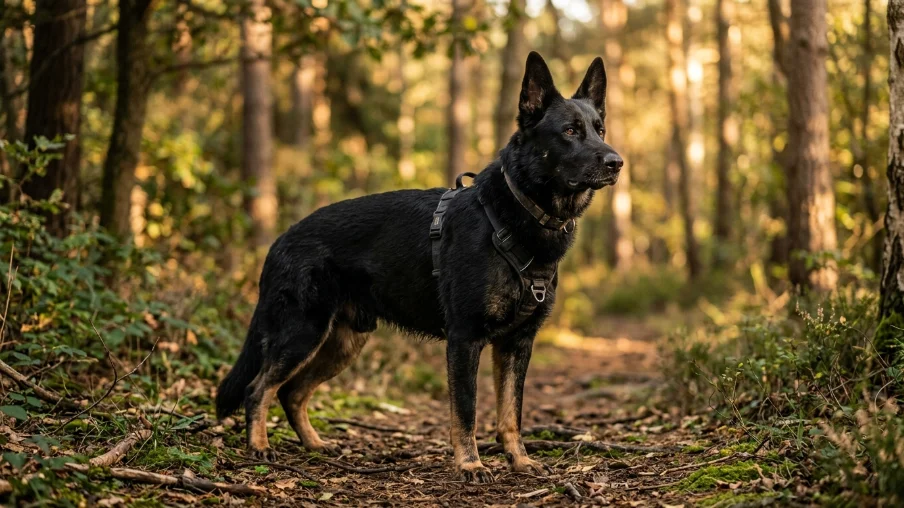
The Bi Color German Shepherd is a darker variation of the German Shepherd Dog known for its rich black coat with limited tan markings and strong working-dog presence. Although often confused with black-and-tan shepherds, true bi color dogs have a distinct genetic pattern and are commonly found in working bloodlines.
Experienced breeders focus far more on temperament, structure, and nerve stability than coat color alone. The real difference is usually in the dog’s lineage, not just appearance.
Quick Snapshot Table
| Category | Key Details |
|---|---|
| Breed Type | German Shepherd color variation |
| Common Name | Bi Color German Shepherd |
| Coat Pattern | Bi color |
| Primary Colors | Mostly black with limited tan markings |
| Typical Markings | Tan points on legs, feet, eyebrows, or under tail |
| Appearance Style | Dark, sleek, high-working-line look |
| Rarity | Moderately uncommon |
| Genetics | Recessive black and tan pattern expression |
| Breed Purity | Purebred German Shepherd |
| Recognition Status | Accepted by major kennel clubs |
| Bloodline Popularity | Common in working-line pedigrees |
| Size | Large working dog |
| Height | 22–26 inches |
| Weight | 50–95 lbs |
| Build | Athletic, muscular, agile |
| Eye Color | Brown to dark brown |
| Nose Color | Black |
| Coat Type | Dense double coat |
| Hair Length | Medium or long coat possible |
| Shedding Level | Heavy seasonal shedding |
| Grooming Needs | Moderate to high maintenance |
| Brushing Frequency | 3–5 times weekly |
| Temperament | Loyal, intelligent, alert |
| Protective Instinct | Very strong |
| Confidence Level | Typically bold and stable |
| Energy Level | Extremely high |
| Exercise Needs | 2+ hours daily |
| Mental Stimulation Needs | Extremely high |
| Trainability | Advanced |
| Learning Ability | Very fast learner |
| Working Drive | High prey and defense drive |
| Working Ability | Exceptional |
| Common Roles | Police, military, protection, tracking, obedience sports |
| Family Friendly | Yes with proper structure |
| Good With Children | Usually very good when socialized |
| Good With Other Pets | Possible with early training |
| Good for First-Time Owners? | Usually not recommended |
| Socialization Needs | Early and ongoing socialization important |
| Apartment Friendly? | Generally not ideal |
| Barking Level | Moderate to high |
| Drooling Level | Low |
| Climate Tolerance | Excellent in cool climates |
| Heat Tolerance | Moderate with shade and hydration |
| Lifespan | 9–13 years |
| Common Health Issues | Hip dysplasia, elbow dysplasia, bloat, degenerative myelopathy |
| Color-Related Health Risks | No known major risks linked to bi color genetics |
| Diet Needs | High-protein active-breed nutrition |
| Average Price (2026) | $1,500–$4,500+ |
| Breeder Warning | Avoid breeders emphasizing color over temperament and health |
| Popularity | Popular among working-dog enthusiasts |
| Best For | Active experienced owners and working homes |
Why the Bi Color German Shepherd Gets So Much Attention
At first glance, many people mistake a Bi Color German Shepherd for a black shepherd.
That is understandable.
These dogs usually have:
- heavy black coverage
- dark facial pigmentation
- minimal tan points
- a more intense working-dog appearance
But true bi color German Shepherds follow a specific color pattern that separates them from standard black-and-tan shepherds.
Here is where most people get it wrong: darker color does not automatically mean stronger temperament or better working ability.
The real issue is bloodline quality.
Many bi color shepherds happen to come from working-oriented pedigrees, which creates the reputation for stronger drives and sharper behavior.
What Is a Bi Color German Shepherd?
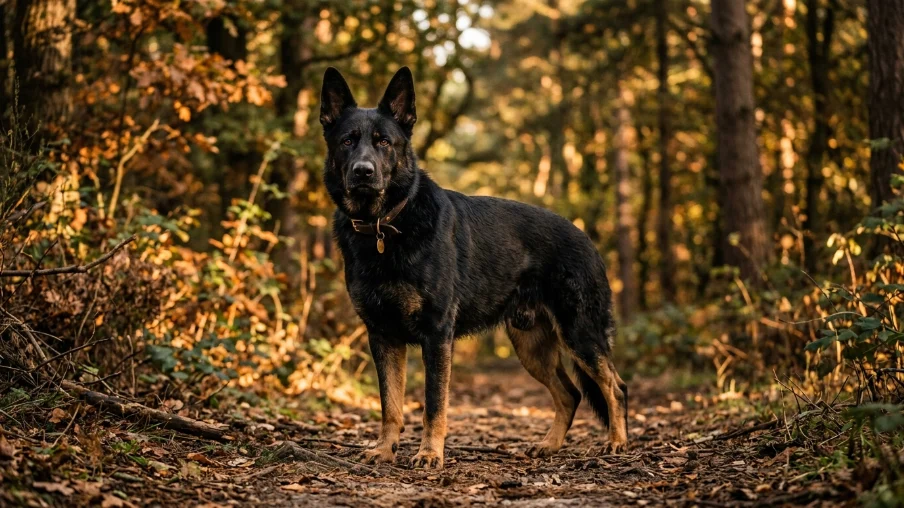
A Bi Color German Shepherd is a German Shepherd Dog with predominantly black coloration and limited tan markings usually found on:
- lower legs
- eyebrows
- cheeks
- chest
- under the tail
Unlike traditional saddle-pattern shepherds, the black coverage extends much farther across the body.
Important Clarification
Bi color is:
- a recognized German Shepherd color pattern
- not a separate breed
- not a mixed breed
- genetically different from solid black
True bi color shepherds still carry tan point markings even if they appear almost fully black from a distance.
Understanding Bi Color Genetics
How the Color Pattern Works
The bi color appearance comes from the interaction of black and tan genetic expressions.
at
In simplified terms:
- bi color shepherds are part of the black-and-tan pattern family
- the black pigment spreads much more extensively across the body
- tan markings remain restricted to specific points
How to Identify a True Bi Color Puppy
Experienced breeders often look for:
- tan pencil marks on toes
- lighter vent markings
- eyebrow points
- minimal tan under the tail
Many puppies sold as “bi color” are actually dark black-and-tan shepherds.
Appearance alone can be misleading during early development.
Genetics and Coat Development
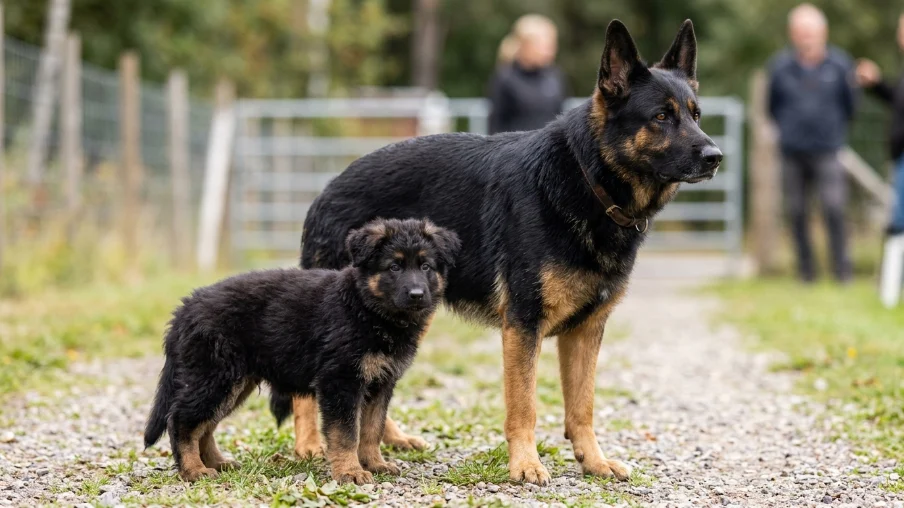
Why the Coat Changes With Age
Bi color puppies often look different as they mature.
During adolescence:
- black pigment deepens
- tan markings become more defined
- facial contrast sharpens
- overall coat darkens further
Some puppies that appear almost solid black eventually reveal clearer bi color markings.
Temperament and Personality
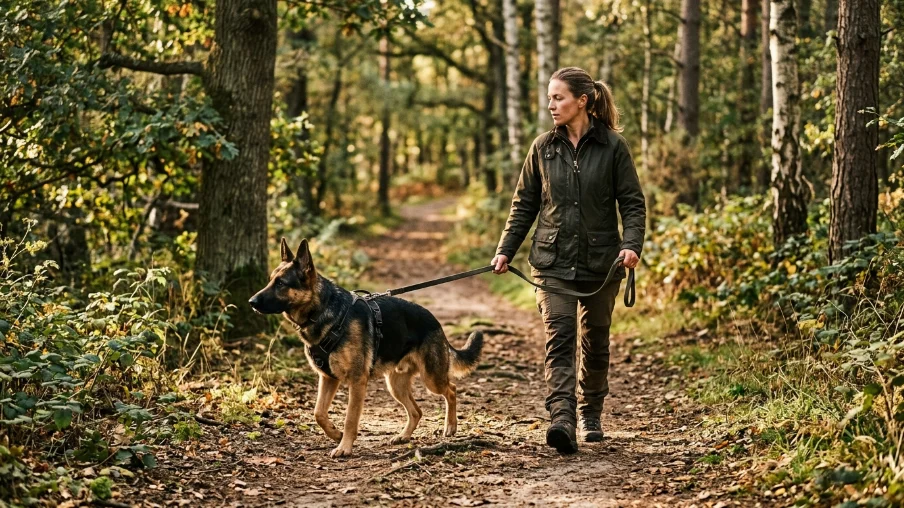
Are Bi Color German Shepherds Different Temperamentally?
Color itself does not create temperament.
However, bi color German Shepherds are frequently associated with:
- working lines
- police dog pedigrees
- sport-oriented breeding
- high-drive genetics
As a result, many owners notice:
- stronger focus
- higher prey drive
- sharper environmental awareness
- intense work ethic
Common Personality Traits
| Trait | Typical Expression |
|---|---|
| Loyalty | Extremely strong |
| Intelligence | Very high |
| Trainability | Excellent |
| Protective Instinct | Moderate to high |
| Energy Level | Demanding |
| Stranger Suspicion | Common |
| Emotional Sensitivity | High |
What Living With One Feels Like
A stable bi color shepherd is:
- observant
- engaged
- highly responsive
- eager to work
These dogs thrive when given structure and purpose.
Without enough mental stimulation, many develop:
- reactivity
- destructive chewing
- frustration barking
- obsessive behaviors
Experienced breeders focus on nerve strength and emotional balance more than appearance.
Training Difficulty and Intelligence
Why They Learn So Fast
Bi color German Shepherds are often extremely intelligent.
Many quickly understand:
- obedience commands
- routines
- environmental patterns
- handler expectations
But intelligence also means they detect inconsistency immediately.
Best Training Approach
Focus on:
- engagement
- impulse control
- confidence building
- neutrality around distractions
- structured routines
Avoid:
- chaotic environments
- harsh punishment
- repetitive drilling
- inconsistent leadership
The Adolescent Phase Matters Most
Between 6 and 18 months:
- confidence fluctuates
- territorial behavior increases
- frustration tolerance drops
- over-arousal becomes common
This stage shapes the adult dog more than puppyhood alone.
Puppy Development Timeline
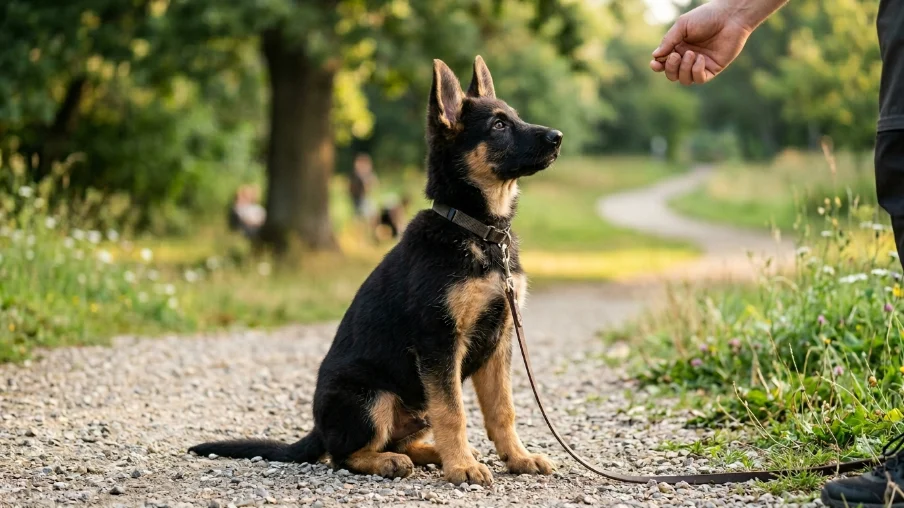
| Age | Development Stage |
|---|---|
| 8–12 Weeks | Critical socialization period |
| 3–5 Months | Environmental confidence growth |
| 6–9 Months | Adolescent testing phase |
| 9–18 Months | Drive and intensity increase |
| 18–24 Months | Mental maturity develops |
| 2–3 Years | Full adult stability emerges |
Important Socialization Insight
Socialization does not mean uncontrolled interaction.
Good socialization means:
- calm exposure
- confidence building
- environmental neutrality
- positive experiences without overwhelm
Many shepherds become reactive because owners overstimulate them too early.
Exercise and Mental Stimulation Needs
This Is Not a Low Energy Breed
Most bi color German Shepherds require:
- 1.5 to 3 hours of daily activity
- advanced mental stimulation
- structured training
- purposeful engagement
Best Activities
| Activity | Main Benefit |
|---|---|
| Obedience training | Mental focus |
| Tracking | Scent fulfillment |
| Hiking | Physical endurance |
| Protection sports | Drive channeling |
| Agility | Coordination |
| Tug work | Engagement outlet |
The Biggest Exercise Mistake
Many owners create constant high arousal instead of balance.
The goal should not be endless stimulation.
The goal is:
- engagement
- fulfillment
- calmness
- emotional control
Balanced dogs recover mentally after activity.
Grooming and Shedding
Coat Maintenance Reality
Bi color German Shepherds shed heavily throughout the year.
Expect:
- dense undercoat shedding
- seasonal coat blowouts
- regular brushing requirements
Grooming Essentials
Weekly care should include:
- slicker brushing
- undercoat rake use
- nail trimming
- ear cleaning checks
The darker coat also makes loose fur highly visible indoors.
Health and Genetic Concerns
Common Health Risks
| Condition | Risk Level |
|---|---|
| Hip dysplasia | High |
| Elbow dysplasia | Moderate |
| Degenerative myelopathy | Moderate |
| Allergies | Common |
| Bloat | Serious |
| Digestive sensitivity | Moderate |
What Responsible Breeders Test
Ethical breeders usually screen for:
- hip certifications
- elbow certifications
- DM testing
- temperament stability
- structural quality
Appearance alone tells you very little about long term health.
Buyer Warning Section
Red Flags to Watch For
Be cautious if a breeder:
- markets only “rare color”
- avoids health discussions
- cannot explain pedigree history
- offers extremely low prices
- refuses temperament evaluation questions
The Real Problem in the Market
Some breeders use dark coat color as a marketing shortcut.
That can lead to:
- unstable temperament
- poor nerves
- weak structure
- health problems
Experienced German Shepherd owners prioritize stability over aesthetics.
Insights Most Articles Miss
Working Lines Influence Reputation
Many bi color shepherds come from:
- working kennels
- police dog programs
- sport-oriented bloodlines
That affects temperament more than color itself.
Environmental Sensitivity Is Common
German Shepherds notice everything.
Poor early handling can create:
- hypervigilance
- noise sensitivity
- defensive behavior
- leash reactivity
Stable confidence must be developed intentionally.
Darker Appearance Changes Public Perception
Owners often notice strangers perceive bi color shepherds as:
- more intimidating
- more protective
- more aggressive
In reality, temperament depends on breeding and training.
Step by Step Care Guide
Morning Routine
- structured walk
- obedience engagement
- calm feeding routine
Afternoon Routine
- mental stimulation
- environmental exposure
- training exercises
Evening Routine
- decompression walk
- calm indoor settling
- grooming during shedding periods
Nutrition Priorities
Focus on:
- joint support
- lean muscle maintenance
- digestive consistency
- controlled body condition
Lifestyle Compatibility
| Lifestyle | Compatibility |
|---|---|
| Active family | Excellent |
| Rural environment | Excellent |
| Experienced owner | Excellent |
| Apartment lifestyle | Difficult |
| Sedentary owner | Poor |
| First time dog owner | Often challenging |
Preparation Checklist
You Are Likely Ready If
- you enjoy structured training
- you can provide daily exercise
- you understand working breeds
- you want an involved companion
You May Want Another Breed If
- you prefer low maintenance dogs
- you travel constantly
- you dislike heavy shedding
- you want an easygoing temperament
Frequently Asked Questions
Are Bi Color German Shepherds rare?
Yes. They are less common than standard black-and-tan German Shepherds but still recognized within the breed.
Are bi color and black German Shepherds the same?
No. Solid black shepherds lack tan points, while bi color dogs still carry limited tan markings.
Are Bi Color German Shepherds more aggressive?
No. Temperament depends on genetics, breeding quality, training, and socialization rather than coat color.
Do Bi Color German Shepherds come from working lines?
Many do, which is why they are often associated with stronger drives and higher energy.
Do they shed heavily?
Yes. Like most German Shepherds, they are heavy seasonal shedders with dense undercoats.
Are they good family dogs?
Yes, when properly trained and raised in structured households with enough activity and leadership.
Conclusion
The Bi Color German Shepherd combines striking dark pigmentation with the intelligence and athleticism the breed is known for. Their appearance attracts attention quickly, but experienced owners understand that temperament, nerve strength, and breeding quality matter far more than color alone.
These dogs thrive with:
- structure
- training
- mental engagement
- responsible leadership
When raised correctly, a stable bi color shepherd becomes deeply loyal, highly capable, and exceptionally rewarding to live with.
You have not enough Humanizer words left. Upgrade your Surfer plan.