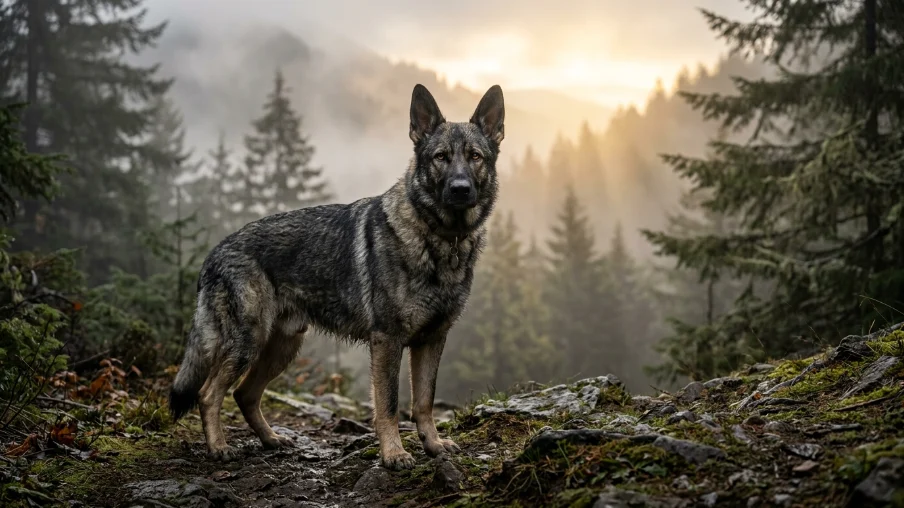
The Grey German Shepherd is a striking color variation of the German Shepherd Dog known for its wolf-like appearance, intelligence, and strong working instincts. While the gray coat attracts attention, experienced breeders care far more about temperament, structure, health, and nerve stability than color alone.
Many gray shepherds come from working-oriented bloodlines, which often means higher energy, sharper focus, and more demanding training needs than the average family expects.
Quick Snapshot Table
| Category | Details |
|---|---|
| Breed Type | German Shepherd color variation |
| Common Name | Gray German Shepherd |
| Other Names | Wolf Gray German Shepherd |
| Coat Color | Gray or wolf gray |
| Coat Appearance | Blend of silver, charcoal, black, and gray tones |
| Color Genetics | Usually linked to sable gene expression |
| Rarity | Moderately uncommon |
| Recognition Status | Accepted in many breed registries |
| Breed Purity | Purebred German Shepherd |
| Bloodline Popularity | Common in working-line pedigrees |
| Size | Large |
| Height | 22–26 inches |
| Weight | 50–90 lbs |
| Body Structure | Athletic, muscular, agile |
| Eye Color | Brown to dark brown |
| Nose Color | Black |
| Coat Type | Dense double coat |
| Hair Length | Medium or long coat possible |
| Temperament | Intelligent, loyal, alert |
| Protective Instinct | Strong natural guarding drive |
| Confidence Level | Typically stable and confident |
| Energy Level | Very high |
| Exercise Needs | 1.5–2+ hours daily |
| Mental Stimulation Needs | Extremely high |
| Trainability | Excellent |
| Learning Speed | Extremely fast learner |
| Working Drive | High prey and work drive |
| Working Ability | Exceptional |
| Common Working Roles | Police work, military, scent detection, protection, service work |
| Good With Families | Yes with proper training |
| Good With Children | Usually excellent when socialized early |
| Good With Other Pets | Possible with proper introduction |
| Good for First-Time Owners? | Usually challenging |
| Socialization Needs | Early and ongoing socialization essential |
| Apartment Friendly? | Generally not ideal |
| Barking Level | Moderate to high |
| Drooling Level | Low |
| Shedding | Heavy |
| Seasonal Coat Blow | Heavy twice yearly |
| Grooming Needs | Moderate to high maintenance |
| Brushing Frequency | 3–5 times weekly |
| Climate Tolerance | Excellent in cool climates |
| Heat Tolerance | Moderate with hydration and shade |
| Lifespan | 9–13 years |
| Common Health Issues | Hip dysplasia, elbow dysplasia, bloat, degenerative myelopathy |
| Color-Related Health Risks | No proven health problems tied to gray coloration |
| Veterinary Insight | Temperament and health depend more on breeding quality than coat color |
| Breeder Warning | Avoid breeders prioritizing rare color marketing over health testing |
| Recommended Health Tests | OFA hip/elbow screening, DM testing, cardiac evaluation |
| Diet Needs | High-quality protein-rich working-breed diet |
| Average Price (2026) | $1,500–$5,000+ |
| Popularity | Increasing among working-dog enthusiasts |
| Best For | Active experienced owners, working homes, advanced training environments |
| Expert Ownership Advice | Requires structure, leadership, exercise, and consistent mental stimulation for balanced behavior |
Why the Grey German Shepherd Gets So Much Attention
A well-bred Grey German Shepherd has a naturally wild appearance that reminds many people of wolves. The coat often contains layered gray, charcoal, black, and silver tones that shift under different lighting conditions.
That dramatic appearance creates huge online interest.
But appearance alone tells you very little about the dog itself.
Experienced breeders focus on:
- confidence
- recovery from stress
- trainability
- nerve strength
- structural quality
- health testing
The real issue is that many buyers chase rare-looking coats without understanding the intensity of the breed underneath.
What Is a Grey German Shepherd?
A Grey German Shepherd is a purebred German Shepherd Dog with gray-toned coat pigmentation. The gray coloring can appear in several patterns, including:
- sable gray
- wolf gray
- solid gray
- gray and black combinations
The dog remains a standard German Shepherd genetically and behaviorally.
Gray coloration does not create a separate breed.
Understanding Grey German Shepherd Genetics
How Gray Coloring Develops
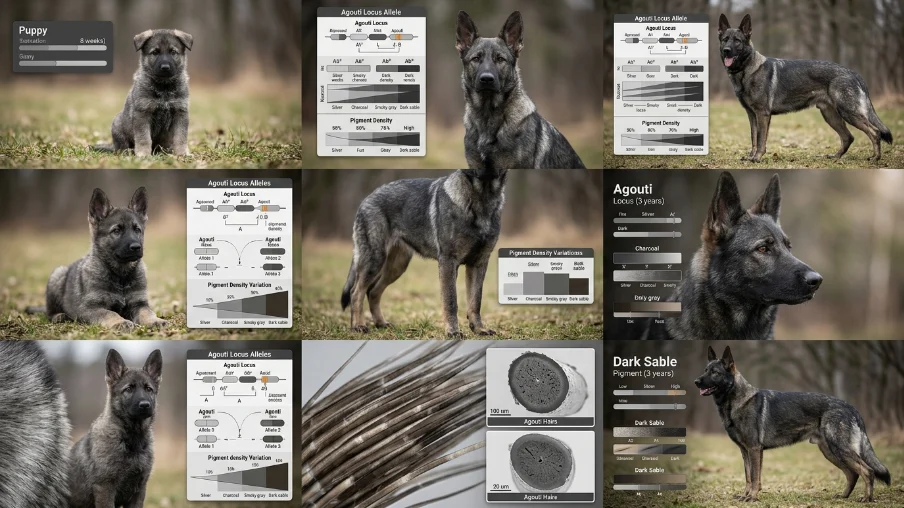
Most gray German Shepherds inherit coat patterns linked to sable genetics or diluted pigmentation expression.
The sable gene influences banded hair coloration where each strand contains multiple pigment layers.
In simple terms:
- sable genetics dominate many other coat colors
- gray tones depend on pigment intensity
- lighting and age affect coat appearance significantly
Why Puppies Often Change Color
Many gray puppies darken or lighten dramatically during maturity.
A puppy may initially appear:
- charcoal black
- smoky gray
- dark sable
By adulthood:
- silver tones may emerge
- facial markings sharpen
- the coat gains more depth and contrast
This surprises first-time owners regularly.
Temperament and Personality
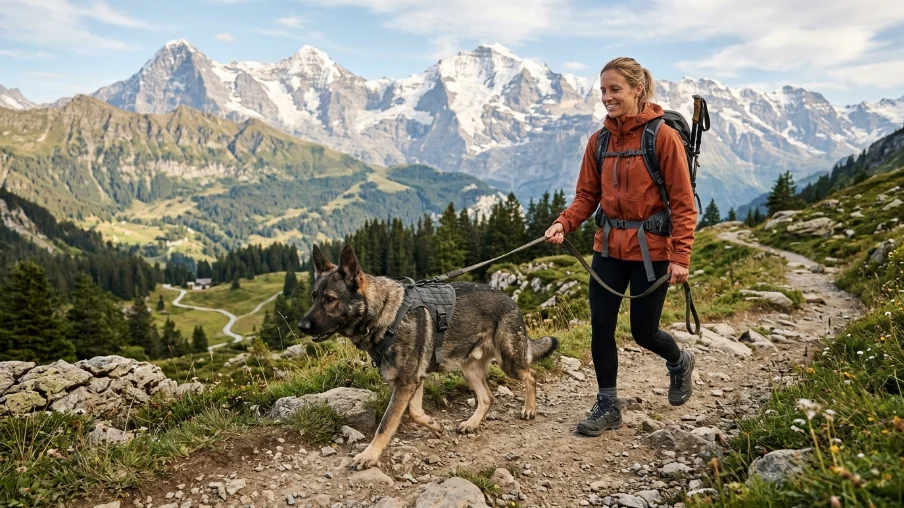
Gray coloring does not determine personality.
Bloodline quality does.
Many Grey German Shepherds come from working lines, which often produces:
- stronger prey drive
- higher focus
- sharper awareness
- increased trainability
- intense energy levels
Common Temperament Traits
| Trait | Typical Expression |
|---|---|
| Intelligence | Extremely high |
| Loyalty | Deep family attachment |
| Protective Nature | Strong |
| Energy | Demanding |
| Confidence | Depends on breeding |
| Trainability | Excellent |
| Stranger Suspicion | Common |
| Emotional Sensitivity | Moderate to high |
Living With a Grey German Shepherd
A stable gray shepherd is:
- observant
- engaged
- highly responsive
- mentally active
These dogs constantly monitor their environment.
That makes them excellent working dogs but difficult for passive owners.
Without structure, problems can develop quickly:
- frustration barking
- leash reactivity
- destructive chewing
- anxiety behaviors
- overprotectiveness
Are Grey German Shepherds Good Family Dogs?
Yes, when properly trained and socialized.
These dogs usually thrive in homes that provide:
- structure
- routine
- leadership
- daily engagement
They often become extremely loyal family companions.
Families That Usually Succeed
Best matches include:
- active households
- experienced dog owners
- working dog enthusiasts
- obedience-focused families
Families That Often Struggle
Problems appear when owners expect:
- low-maintenance behavior
- minimal exercise needs
- automatic friendliness
- easy adolescent development
German Shepherds are intelligent working dogs, not casual companion breeds.
Training a Grey German Shepherd
These dogs learn quickly but mature slowly mentally.
A gray shepherd may understand commands rapidly while still testing boundaries for months.
Most Effective Training Approach
Focus on:
- engagement
- impulse control
- calm socialization
- environmental confidence
- neutrality around distractions
Avoid:
- chaotic dog parks
- inconsistent rules
- harsh punishment
- overstimulation
The Adolescent Phase Matters Most
Between 6–18 months:
- confidence fluctuates
- territorial behavior emerges
- sensitivity increases
- frustration develops faster
This is where many owners accidentally create reactivity.
Experienced handlers prioritize emotional stability over flashy obedience tricks.
Puppy Development Timeline
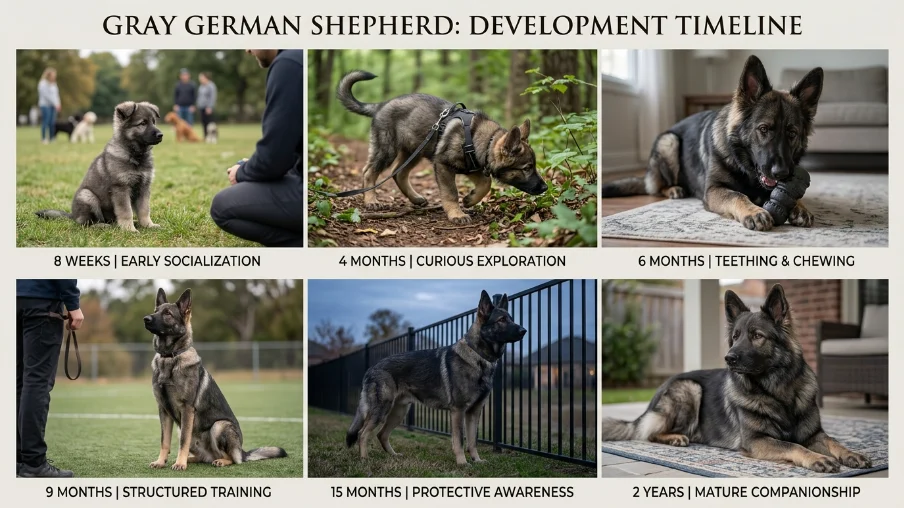
| Age | Development Stage |
|---|---|
| 8–12 Weeks | Early socialization window |
| 3–5 Months | Curiosity and confidence growth |
| 5–7 Months | Teething and testing boundaries |
| 6–12 Months | Intense adolescent phase |
| 12–18 Months | Protective instincts strengthen |
| 18–24 Months | Emotional maturity improves |
| 2–3 Years | Full adult temperament develops |
Important Socialization Insight
Socialization is not constant interaction.
Good socialization teaches:
- calm observation
- confidence
- neutrality
- emotional control
Many reactive shepherds were actually overstimulated as puppies.
Exercise Requirements
Grey German Shepherds require serious physical and mental activity.
A short walk is rarely enough.
Typical Daily Needs
Most adults need:
- 1.5–3 hours of combined activity
- mental stimulation
- obedience work
- structured exercise
Best Activities
| Activity | Benefit |
|---|---|
| Hiking | Endurance outlet |
| Tracking | Mental engagement |
| Obedience | Impulse control |
| Agility | Coordination |
| Tug work | Drive management |
| Protection sports | Working fulfillment |
Common Exercise Mistake
Many owners accidentally create overstimulated dogs.
Endless high-intensity activity without calmness training often increases reactivity instead of reducing it.
Balanced routines matter far more.
Grooming and Shedding
Grey German Shepherds are heavy shedders.
Their dense double coat releases fur year-round with major seasonal shedding periods.
Grooming Essentials
Weekly care should include:
- undercoat brushing
- slicker brushing
- nail trimming
- ear checks
Seasonal Coat Blowouts
During shedding seasons expect:
- massive loose fur
- daily brushing needs
- increased vacuuming
Gray fur also becomes highly visible on furniture and dark clothing.
Health and Genetic Concerns
Color alone is rarely the health issue.
Poor breeding practices are the real problem.
Common German Shepherd Health Issues
| Condition | Risk Level |
|---|---|
| Hip dysplasia | High |
| Elbow dysplasia | Moderate to high |
| Degenerative myelopathy | Moderate |
| Bloat | Serious |
| Skin allergies | Common |
| Digestive sensitivity | Moderate |
What Responsible Breeders Test
Ethical breeders usually screen for:
- hip certifications
- elbow evaluations
- temperament stability
- genetic disease risks
- structural soundness
Experienced breeders prioritize functionality over appearance.
Common Mistakes Owners Make
Choosing Color Over Temperament
The wolf-like gray appearance often distracts buyers from evaluating:
- confidence
- nerves
- social behavior
- recovery ability
Underestimating Energy Levels
Many gray shepherds come from intense working bloodlines.
Without proper outlets they may develop:
- anxiety
- destructiveness
- obsessive behaviors
Poor Early Socialization
Overexposure during puppyhood can create:
- fearfulness
- hypervigilance
- defensive behavior
Calm exposure works far better than chaotic interaction.
Insights Most Articles Miss
Working-Line Gray Shepherds Can Be Mentally Demanding
Many gray-coated shepherds are not casual pets.
They often require:
- advanced handling
- consistent training
- emotional regulation work
Public Attention Changes Daily Life
Owners frequently report:
- strangers staring
- people assuming wolf ancestry
- increased public caution around the dog
The appearance changes social experiences more than many expect.
Structure Matters More Than Coat Color
A stable nervous system and strong hips matter far more than dramatic coloring.
The best breeders never prioritize appearance alone.
Buyer Warning Section
Red Flags When Buying a Grey German Shepherd
Avoid breeders who:
- market only “rare color”
- skip health testing
- cannot explain bloodlines
- sell puppies too young
- ignore temperament discussion
Important Reality
Gray coloring should not automatically justify extreme prices.
Many unethical breeders use unusual coats to market poorly bred dogs.
That can lead to:
- unstable behavior
- weak structure
- poor health
- unpredictable temperament
Lifestyle Compatibility
| Lifestyle | Compatibility |
|---|---|
| Active family | Excellent |
| Rural property | Excellent |
| Experienced owner | Excellent |
| Apartment lifestyle | Difficult |
| Sedentary household | Poor |
| First-time owner | Often challenging |
Preparation Checklist Before Bringing One Home
You Are Likely Ready If:
- you enjoy training
- you can provide daily exercise
- you understand working breeds
- you want an involved companion
You May Want Another Breed If:
- you dislike shedding
- you travel constantly
- you want a low-energy dog
- you prefer naturally social breeds
Frequently Asked Questions
Are Grey German Shepherds rare?
Yes, they are less common than traditional black and tan German Shepherds.
Are they part wolf?
No. A Grey German Shepherd is still a purebred domestic German Shepherd Dog.
Do gray puppies stay gray?
Not always. Many change shade significantly during maturity.
Are Grey German Shepherds aggressive?
Not inherently. Temperament depends on breeding, training, and socialization.
Are they good for beginners?
Often no. Their intelligence and energy can overwhelm inexperienced owners.
Do they shed heavily?
Yes. German Shepherds are among the heaviest shedding dog breeds.
Conclusion
The Grey German Shepherd combines intelligence, athleticism, loyalty and a striking wolf-like appearance into one powerful working breed package.
But experienced owners understand something important.
The coat color is the least important part of the dog.
What truly matters is:
- stable temperament
- strong genetics
- proper structure
- responsible breeding
- thoughtful training
When raised correctly, a Grey German Shepherd becomes an exceptionally capable companion with deep loyalty and remarkable intelligence. But these dogs thrive best with owners who respect their working heritage instead of treating them like decorative pets.