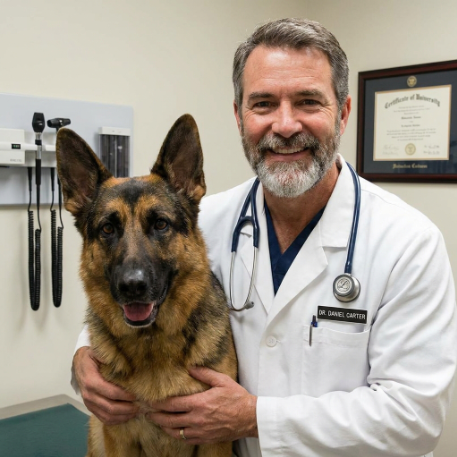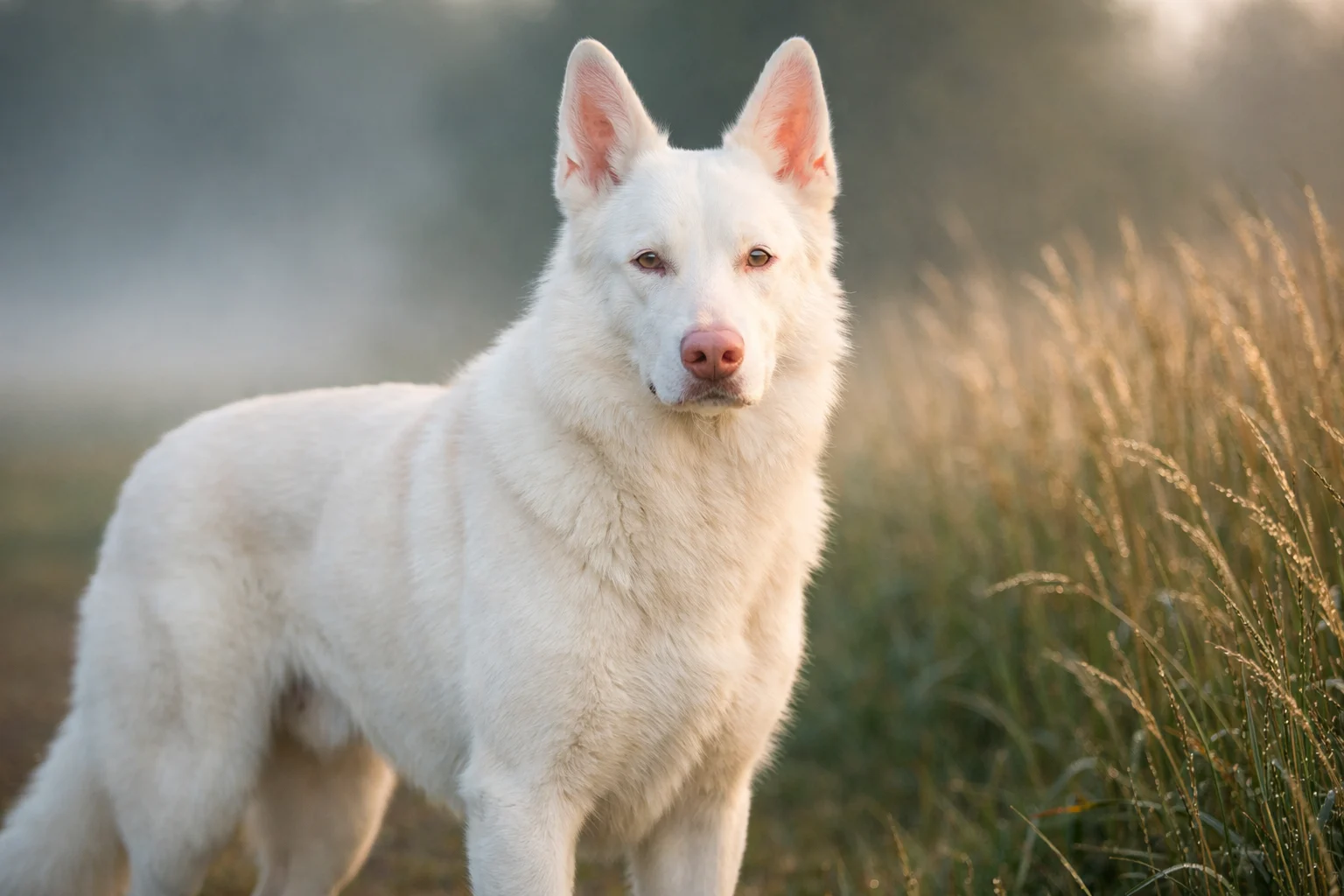
The Albino German Shepherd is an extremely rare German Shepherd affected by a genetic lack of pigmentation that impacts skin, eyes, and coat color. While their pale appearance attracts attention, experienced breeders are far more concerned about health stability, vision sensitivity, and ethical breeding practices.
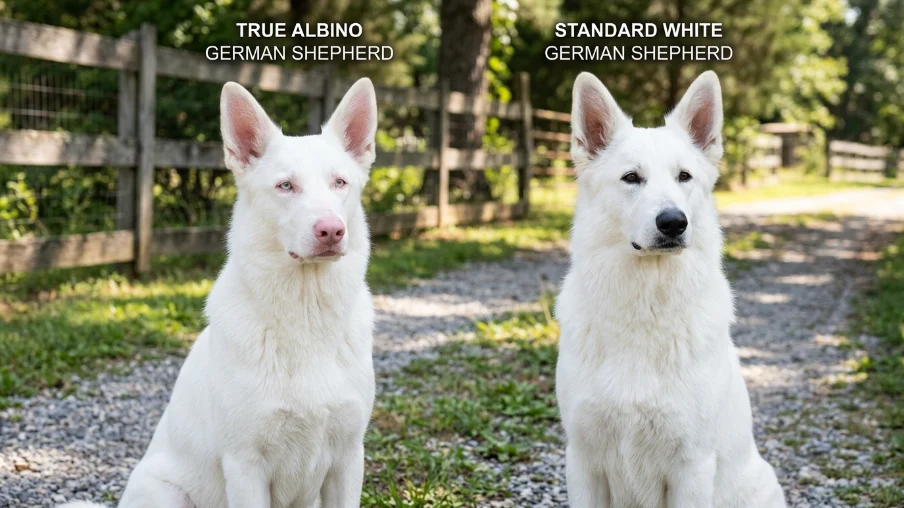
Many dogs labeled “albino” are actually white German Shepherds. True albinism is genetically different and much rarer.
Quick Snapshot Table
| Category | Key Details |
|---|---|
| Breed Type | German Shepherd genetic variation |
| Common Name | Albino German Shepherd |
| Coat Color | Pale white or cream |
| Genetic Condition | True albinism |
| Genetics | Lack of melanin production |
| Rarity | Extremely rare |
| Recognition Status | Not standard coloration |
| Breed Purity | Can still be purebred German Shepherds |
| Eye Pigmentation | Light colored or pink tinted |
| Eye Colors Seen | Pale blue, amber, light gray, or pinkish |
| Nose Pigmentation | Pink or very pale |
| Skin Pigmentation | Light pink skin common |
| Coat Type | Double coat |
| Hair Length | Medium or long coat possible |
| Size | Large working dog |
| Height | 22–26 inches |
| Weight | 50–90 lbs |
| Body Build | Athletic but sometimes lighter-framed |
| Temperament | Intelligent, loyal, alert |
| Protective Instinct | Strong natural guarding behavior |
| Energy Level | High |
| Exercise Needs | 1.5–2 hours daily |
| Mental Stimulation Needs | Very high |
| Trainability | Excellent |
| Learning Ability | Extremely fast learner |
| Working Ability | Capable but less commonly used in intense working roles |
| Family Friendly | Yes with proper training |
| Good With Children | Usually good when socialized |
| Good With Other Pets | Possible with early exposure |
| Good for First-Time Owners? | Usually challenging |
| Socialization Needs | Early and consistent socialization important |
| Health Sensitivity | Higher than average |
| Sun Sensitivity | Significant |
| Heat Sensitivity | Higher risk in hot climates |
| Vision Issues | Possible |
| Hearing Issues | Can occur in some albino dogs |
| Skin Problems | Increased risk of irritation and sunburn |
| Immune Sensitivity | Sometimes more delicate immune response |
| Common Health Issues | Hip dysplasia, elbow dysplasia, allergies, skin issues |
| Color-Related Risks | Light sensitivity due to reduced pigmentation |
| Climate Tolerance | Better in moderate climates with shade protection |
| Apartment Friendly? | Usually not ideal |
| Barking Level | Moderate to high |
| Drooling Level | Low |
| Shedding Level | Heavy seasonal shedding |
| Grooming Needs | Moderate to high maintenance |
| Brushing Frequency | 3–5 times weekly |
| Diet Needs | High-quality protein-rich active-breed nutrition |
| Lifespan | 8–12 years |
| Average Price (2026) | $2,000–$7,000+ |
| Breeder Warning | Avoid unethical breeders marketing “rare albino” puppies without health testing |
| Ethical Concern | Responsible breeding should prioritize health over rare appearance |
| Expert Recommendation | Regular veterinary eye and skin checks strongly advised |
| Popularity | Extremely rare niche variation |
| Best For | Experienced active owners prepared for extra care needs |
Why the Albino German Shepherd Creates So Much Confusion
Most people misunderstand what “albino” actually means in dogs.
A white coated German Shepherd is not automatically albino.
Here is where many buyers get it wrong:
True albinism affects pigment throughout the entire body, not just the coat color.
An actual Albino German Shepherd usually shows:
- pink nose pigmentation
- pale eyelids
- light sensitive eyes
- reduced skin pigment
- overall lack of melanin
Experienced breeders distinguish carefully between:
- white German Shepherds
- extreme white pigmentation
- dilute coloring
- genuine albinism
That distinction matters because health implications can be very different.
What Is an Albino German Shepherd?
An Albino German Shepherd is a German Shepherd Dog affected by a rare genetic mutation that significantly reduces or eliminates melanin production.
Melanin controls pigment in:
- skin
- eyes
- nose
- paw pads
- coat
Without normal pigmentation, the dog develops an unusually pale appearance.
Unlike standard white German Shepherds, true albino dogs often have:
- pink skin tones
- pale eye rims
- sensitivity to bright sunlight
- weaker UV protection
The dog is still genetically a German Shepherd, but the pigmentation abnormality creates additional considerations.
Albino vs White German Shepherd
Important Comparison Table
| Trait | Albino German Shepherd | White German Shepherd |
|---|---|---|
| Coat Color | Very pale white or cream | Solid white |
| Nose Pigment | Pink or faded | Black |
| Eye Rims | Pale | Dark |
| Eye Sensitivity | Often high | Normal |
| UV Protection | Reduced | Normal |
| Genetic Cause | Albinism mutation | Recessive white gene |
| Rarity | Extremely rare | Relatively uncommon |
The real issue is that many unethical sellers market white puppies as “albino” simply to raise prices.
True albinism is far rarer than internet advertisements suggest.
Understanding Albino Genetics
How Albinism Affects Pigment
True albinism occurs when pigment producing cells fail to create normal melanin levels.
Melanin→Pigmentation
Reduced melanin impacts:
- coat color
- eye protection
- skin durability
- light sensitivity
In dogs, complete albinism is uncommon and often linked with additional health vulnerabilities.
Why Ethical Breeders Avoid Producing Albino Dogs
Responsible German Shepherd breeders prioritize:
- structural health
- stable temperament
- working ability
- nerve quality
Deliberately breeding for genetic abnormalities purely for appearance is considered irresponsible by many experienced breeders.
Appearance alone tells you very little about long term quality.
Temperament and Personality
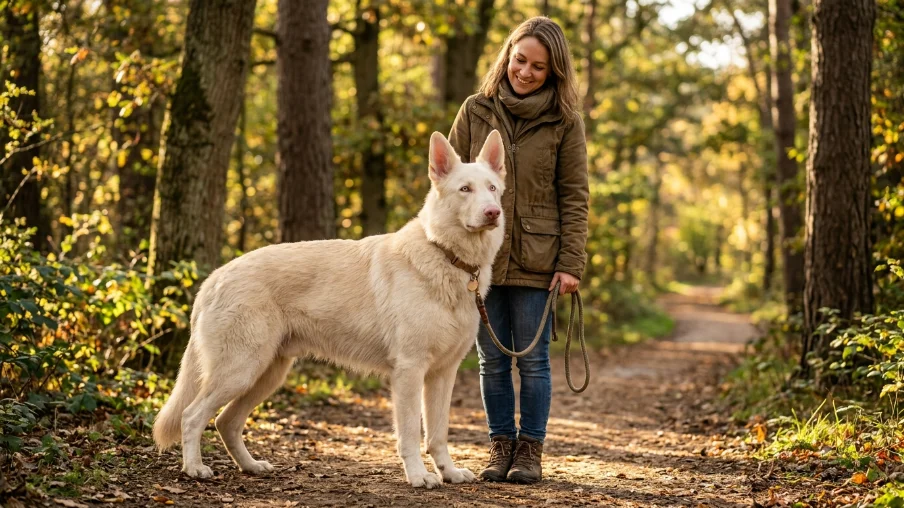
Coat pigmentation does not determine personality.
The Albino German Shepherd generally behaves like any properly bred German Shepherd when temperament genetics are stable.
Typical traits include:
- loyalty
- intelligence
- alertness
- strong bonding instincts
- trainability
However, health related discomfort can influence behavior indirectly.
For example:
- chronic eye irritation may increase stress
- sensory sensitivity may affect confidence
- poor breeding practices can damage temperament quality
Experienced breeders focus heavily on stability and environmental confidence.
Common Personality Traits
| Trait | Typical Expression |
|---|---|
| Loyalty | Extremely strong |
| Intelligence | Very high |
| Trainability | Excellent |
| Protective Nature | Moderate to high |
| Stranger Awareness | Common |
| Sensitivity | Often elevated |
| Energy Level | High |
Living With an Albino German Shepherd
Daily management can be more demanding than owners expect.
The biggest challenge is usually environmental sensitivity rather than obedience.
Many albino dogs require:
- sun protection
- careful outdoor scheduling
- eye monitoring
- controlled heat exposure
Bright midday sunlight may cause discomfort faster than in standard coated shepherds.
Training an Albino German Shepherd
Training principles remain similar to other German Shepherds.
These dogs are typically:
- highly intelligent
- eager to learn
- responsive to structure
But sensory sensitivity sometimes changes training strategy.
Best Training Approach
Focus on:
- calm confidence building
- positive engagement
- predictable routines
- environmental neutrality
Avoid:
- harsh overcorrection
- chaotic overstimulation
- excessive heat exposure during sessions
Why Early Socialization Matters
Socialization should develop:
- confidence
- emotional stability
- recovery from stress
Not constant excitement.
Many shepherds become reactive because owners confuse socialization with overstimulation.
Health Concerns and Genetic Risks
This is the section most internet articles oversimplify.
The concern is not simply “white fur.”
The concern is reduced pigmentation affecting body protection systems.
Potential Health Issues
| Condition | Risk Level |
|---|---|
| Sun sensitivity | High |
| Skin irritation | Moderate |
| Eye sensitivity | Moderate to high |
| Vision issues | Possible |
| Allergies | Moderate |
| Hip dysplasia | Standard GSD risk |
| Elbow dysplasia | Standard GSD risk |
Eye and Light Sensitivity
Some albino dogs struggle with:
- bright environments
- prolonged UV exposure
- glare sensitivity
Owners often notice:
- squinting
- shade seeking
- discomfort in harsh sunlight
This varies by individual dog.
Skin Protection Matters
Reduced pigmentation can increase vulnerability to:
- sunburn
- skin irritation
- environmental sensitivity
Dogs living in very hot climates require extra management.
Puppy Development Timeline
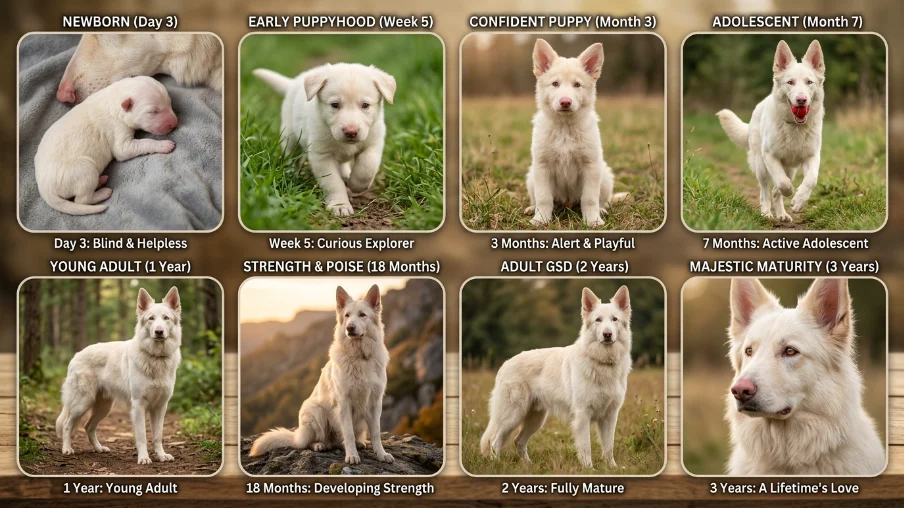
| Age | Development Stage |
|---|---|
| 0–2 Weeks | Eyes closed, pigment evaluation begins |
| 3–6 Weeks | Coat tone becomes clearer |
| 2–4 Months | Sensory confidence develops |
| 5–8 Months | Adolescent behavior increases |
| 8–18 Months | Mental maturity fluctuates |
| 18–24 Months | Adult temperament stabilizes |
What Responsible Breeders Watch Closely
Experienced breeders monitor:
- visual responsiveness
- confidence levels
- environmental recovery
- coordination
- light sensitivity
Not just coat appearance.
Step by Step Care Guide
Daily Care Routine
Morning
- early cooler temperature walks
- structured obedience work
- eye comfort monitoring
Afternoon
- indoor mental stimulation
- shaded rest periods
- hydration management
Evening
- calm exercise
- coat inspection
- low stress decompression
Grooming Needs
Albino German Shepherds still shed heavily like other German Shepherds.
Routine care includes:
- brushing several times weekly
- skin monitoring
- ear cleaning
- nail maintenance
Sun Protection Tips
Many owners underestimate UV exposure risks.
Helpful strategies include:
- avoiding harsh midday heat
- using shaded outdoor areas
- limiting prolonged sun exposure
Common Mistakes Owners Make
Buying Based on Color Alone
The rare appearance attracts impulse buyers.
The real issue is whether the dog has:
- stable nerves
- good structure
- responsible breeding
Ignoring Sensory Sensitivities
Light discomfort is sometimes subtle.
Owners may misread stress behaviors as stubbornness.
Underestimating German Shepherd Drive
Even with albinism, this is still a working breed at its core.
Without structure, behavioral issues often appear.
Insights Most Articles Miss
Albino Does Not Automatically Mean Weak Temperament
Poor breeding causes more problems than coat genetics alone.
A carefully bred dog can still be:
- confident
- trainable
- emotionally stable
Many “Albino” Puppies Are Misidentified
Internet marketing frequently mislabels white shepherds as albino for profit.
True albino dogs are uncommon.
Ethical Breeding Debate Exists
Many experienced breeders intentionally avoid reproducing genetic abnormalities linked to health vulnerabilities.
This is one reason true albino shepherds remain rare.
Buyer Warning Section
Red Flags to Watch For
Avoid breeders who:
- market “ultra rare albino bloodlines”
- refuse health testing
- prioritize appearance only
- cannot explain genetics
- ignore temperament discussions
Important Reality Check
Rarity alone does not equal quality.
An unstable or poorly bred German Shepherd becomes difficult regardless of coat color.
Experienced breeders focus on:
- hips
- nerves
- confidence
- structure
- working stability
That matters far more than novelty.
Lifestyle Compatibility
| Lifestyle | Compatibility |
|---|---|
| Active experienced owner | Excellent |
| Outdoor adventure home | Good with precautions |
| Apartment living | Difficult |
| First time owner | Often challenging |
| Sedentary lifestyle | Poor |
| Working dog household | Excellent |
Preparation Checklist Before Bringing One Home
You May Be Ready If:
- you understand working breeds
- you can provide structure
- you can manage sun sensitivity
- you enjoy advanced training
You May Struggle If:
- you want a low maintenance dog
- you dislike shedding
- you expect effortless obedience
- you cannot provide daily engagement
Frequently Asked Questions
Are Albino German Shepherds rare?
Yes. True albinism in German Shepherds is extremely uncommon.
Is an Albino German Shepherd the same as a White German Shepherd?
No. White German Shepherds usually retain normal pigmentation, while albino dogs lack melanin throughout the body.
Are Albino German Shepherds healthy?
They can live healthy lives, but they may have increased sensitivity related to pigmentation loss.
Do Albino German Shepherds have blue eyes?
Some may have very pale eyes, but eye color varies depending on pigment levels.
Are they harder to train?
Not usually. German Shepherd intelligence remains high regardless of coat color.
Should breeders intentionally produce albino dogs?
This remains controversial because many ethical breeders prioritize health and functional stability over rare appearance traits.
Conclusion
The Albino German Shepherd is one of the rarest and most misunderstood variations connected to the German Shepherd breed. Their pale appearance immediately attracts attention, but responsible ownership requires understanding the genetic realities behind the color.
The most important factors are still:
- temperament stability
- structural health
- ethical breeding
- environmental confidence
Not rarity.
A well bred German Shepherd with stable nerves and proper socialization will always outperform a poorly bred dog chosen only for appearance. That is the difference experienced breeders never ignore.
You have not enough Humanizer words left. Upgrade your Surfer plan.