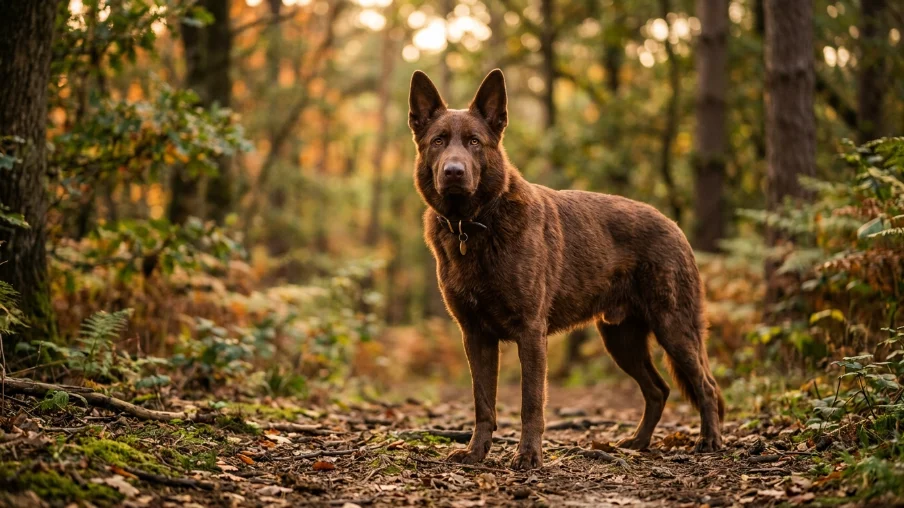
The Liver German Shepherd is a rare color variation of the German Shepherd Dog known for its deep brown pigmentation and striking amber eyes. While the color itself is not dangerous, experienced breeders focus far more on structure, nerves, and working temperament than appearance alone.
The real issue is that many liver-coated puppies are marketed for rarity instead of quality. A well-bred Liver German Shepherd should still meet the same health, intelligence, and stability standards expected from any serious German Shepherd bloodline.
Quick Snapshot Table
| Category | Key Details |
|---|---|
| Breed Type | German Shepherd Dog color variation |
| Common Name | Liver German Shepherd |
| Coat Color | Liver / chocolate brown |
| Shade Variations | Light brown to deep chocolate |
| Genetic Cause | Recessive dilution of black pigmentation |
| Gene Requirement | Both parents must carry the liver gene |
| Rarity | Uncommon |
| Recognition Status | Considered non-standard by some kennel clubs |
| Breed Purity | Purebred German Shepherd |
| Size | Large working dog |
| Weight | 50–90 lbs |
| Height | 22–26 inches |
| Build | Muscular, athletic, agile |
| Eye Color | Amber, hazel, or light brown |
| Nose Color | Brown/liver instead of black |
| Coat Type | Double coat (short or long-haired) |
| Shedding Level | Heavy year-round |
| Temperament | Intelligent, loyal, protective |
| Energy Level | Very high |
| Trainability | Excellent but demanding |
| Intelligence Level | Among the highest-ranking dog breeds |
| Protective Instinct | Strong natural guarding ability |
| Socialization Needs | Early and consistent socialization important |
| Exercise Needs | 1.5–2+ hours daily |
| Mental Stimulation Needs | Extremely high |
| Good for Families | Yes, with proper training |
| Good with Children | Usually very good when raised properly |
| Good with Other Pets | Possible with early exposure |
| Good for First-Time Owners | Often challenging |
| Working Ability | Strong in obedience, protection, scent work |
| Common Jobs | Police, military, service, search-and-rescue |
| Apartment Friendly? | Usually not ideal |
| Barking Level | Moderate to high |
| Drooling Level | Low |
| Climate Tolerance | Better in cool to moderate weather |
| Lifespan | 9–13 years |
| Main Concern | Poor breeding for color over temperament |
| Common Health Issues | Hip dysplasia, elbow dysplasia, allergies, bloat |
| Color-Related Health Risks | None directly linked to liver coloration |
| Diet Needs | High-protein active-breed nutrition |
| Grooming Needs | Brushing 3–5 times weekly |
| Average Price (2026) | $1,500–$5,000+ |
| Breeder Warning | Avoid breeders prioritizing rare color over health testing |
| Popularity | Rare but increasingly popular |
| Best For | Active experienced owners and working homes |
A Color That Gets Attention — But Should It?
The first thing most people notice about a Liver German Shepherd is the coat.
Instead of the traditional black saddle coloring, the dog carries a rich brown pigmentation that changes the entire appearance of the breed. The nose becomes liver-colored, the paw pads appear brown instead of black, and the eyes are often lighter amber or hazel.
It looks unusual because it is unusual.
But here is where most people get it wrong: the color itself does not make the dog better, smarter, calmer, or rarer in any meaningful working sense.
Experienced breeders usually evaluate German Shepherds based on:
- Nerve stability
- Hip and elbow quality
- Drive balance
- Structure
- Recovery under stress
- Trainability
- Working capability
Appearance alone tells you very little.
A poorly bred liver puppy can still develop weak nerves, anxiety, poor hips, or unstable behavior. Meanwhile, a standard black-and-tan German Shepherd from proven working lines may outperform it in every category.
That distinction matters.
What Is a Liver German Shepherd?
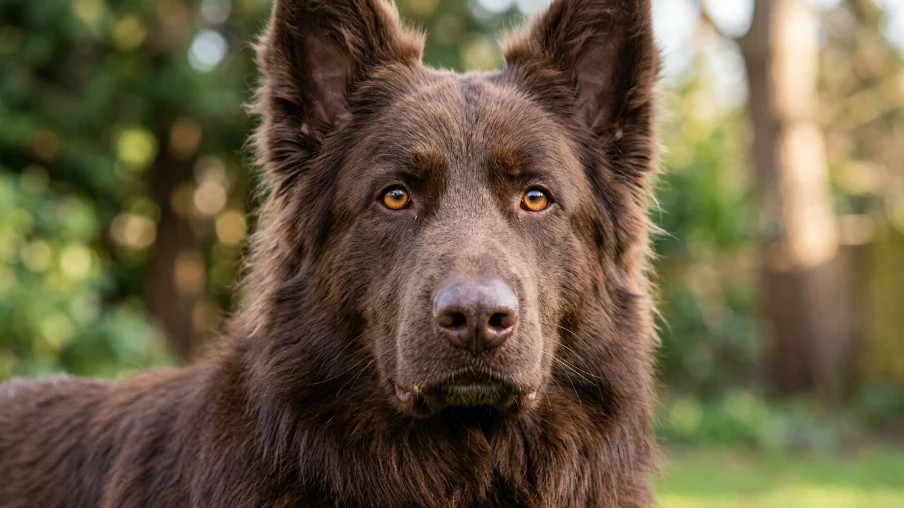
A Liver German Shepherd is a purebred German Shepherd carrying a recessive gene that alters black pigmentation into brown.
Instead of black fur, the dog displays:
- Chocolate brown markings
- Brown nose pigmentation
- Lighter eye coloration
- Brown paw pads and lips
This is not a separate breed.
It is simply a color variation within the German Shepherd Dog breed standard genetics.
What Causes the Liver Color?
The liver coloration occurs when a puppy inherits two copies of the recessive liver gene from both parents.
Genetics Overview
| Trait | Explanation |
|---|---|
| Gene Type | Recessive |
| Needed for Expression | Two liver-carrying parents |
| Pigment Affected | Black eumelanin pigment |
| Result | Brown/chocolate appearance |
Important Breeding Insight
Ethical breeders rarely breed specifically for liver coloring alone.
The reason is simple:
focusing too heavily on rare colors can reduce attention on health testing, temperament stability, and working structure.
The best breeders prioritize:
- OFA or SV hip testing
- Stable nerves
- Correct movement
- Functional anatomy
- Proven lineage
Color comes last.
Temperament & Personality
A properly bred Liver German Shepherd behaves like any well-bred German Shepherd.
That means:
- Highly intelligent
- Extremely trainable
- Loyal to family
- Protective by nature
- Sensitive to handler emotion
- Energetic and work-driven
The color does not change temperament.
However, irresponsible breeding sometimes does.
Common Personality Traits
| Trait | Typical Level |
|---|---|
| Intelligence | Extremely high |
| Protective Instinct | High |
| Trainability | Excellent |
| Stranger Suspicion | Moderate to high |
| Prey Drive | Moderate to high |
| Family Attachment | Very strong |
| Emotional Sensitivity | High |
The Real Challenge: Mental Stimulation
The biggest mistake new owners make is underestimating the breed’s mental intensity.
A bored German Shepherd often creates its own job:
- Fence running
- Barking
- Obsessive pacing
- Destructive chewing
- Shadow chasing
- Resource guarding
Exercise alone is not enough.
These dogs need:
- Obedience work
- Structured routines
- Scent games
- Problem-solving
- Engagement with handlers
Are Liver German Shepherds Good Family Dogs?
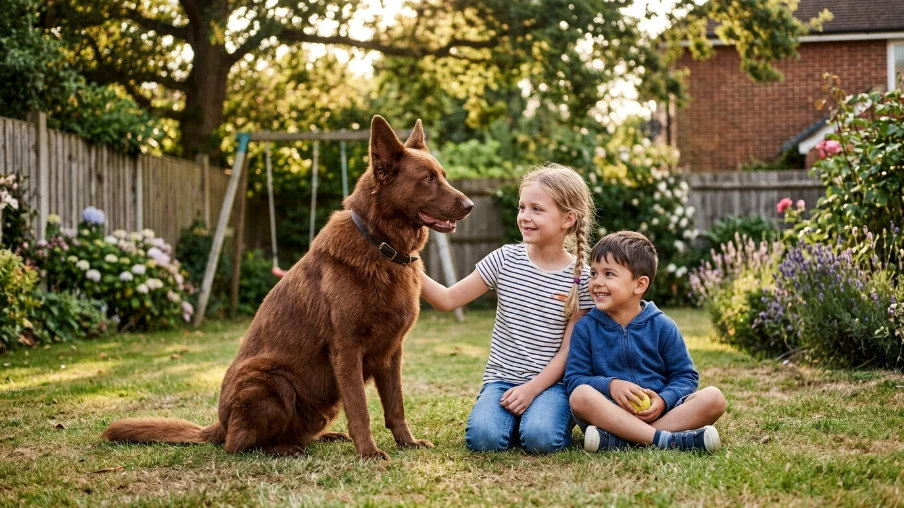
Yes in the right environment.
They tend to do best with:
- Active households
- Experienced dog owners
- Structured training
- Consistent boundaries
- Families willing to socialize early
They are usually less suitable for:
- Apartment-only lifestyles
- Very inactive homes
- Owners wanting a low-maintenance pet
- People absent for long work hours daily
Children & Social Behavior
Well-socialized German Shepherds can be excellent with children.
Still, supervision matters because:
- Young shepherds are physically powerful
- Herding instincts can appear during play
- Poorly socialized dogs may become overprotective
Experienced breeders focus heavily on stable nerves in family homes.
That matters more than coat color every time.
Health & Genetic Concerns
The liver gene itself is not usually considered harmful.
But the breeding practices surrounding rare colors can create problems.
Common German Shepherd Health Risks
| Condition | Risk Level |
|---|---|
| Hip Dysplasia | High |
| Elbow Dysplasia | Moderate to high |
| Degenerative Myelopathy | Moderate |
| Bloat (GDV) | Serious |
| Allergies | Moderate |
| Exocrine Pancreatic Insufficiency | Possible |
Questions Responsible Buyers Should Ask
Before buying a puppy, ask for:
- Hip certifications
- Elbow certifications
- DM testing
- Temperament evaluation
- Pedigree information
- Working titles if applicable
A breeder focused only on “rare color” is a red flag.
Coat & Skin Sensitivity
Some liver-coated dogs may appear more sensitive to sunlight because of lighter pigmentation around the nose and eyes.
This usually is not severe, but owners should monitor:
- Sunburn around the nose
- Dry skin
- Eye irritation in harsh climates
Puppy Development Timeline
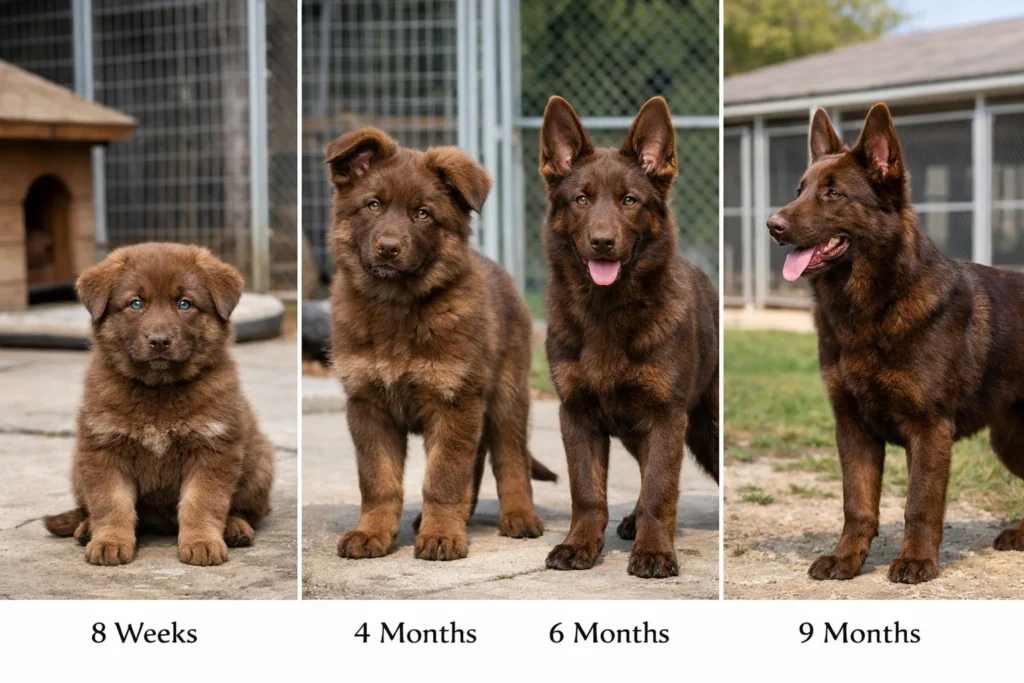
Growth Timeline Table
| Age | Development Stage |
|---|---|
| 8 Weeks | Social bonding period |
| 3 Months | Rapid learning begins |
| 4–6 Months | Teething and boundary testing |
| 6–12 Months | Adolescent energy spike |
| 12–18 Months | Protection instincts strengthen |
| 18–24 Months | Mental maturity improves |
What Owners Often Misjudge
Adolescent shepherds can become difficult around 8–14 months.
This phase often includes:
- Selective listening
- Increased guarding behavior
- Frustration barking
- Leash reactivity
The real issue is consistency.
Many owners stop structured training too early.
Step-by-Step Care Guide
Exercise Requirements
A healthy adult Liver German Shepherd often needs:
- 90–120 minutes of daily activity
- Structured walks
- Training sessions
- Controlled play
- Mental enrichment
Feeding Basics
Choose diets supporting:
- Joint health
- Lean muscle maintenance
- Controlled growth in puppies
Avoid rapid overfeeding during development.
Fast growth can increase orthopedic stress.
Grooming Needs
| Grooming Task | Frequency |
|---|---|
| Brushing | 2–4x weekly |
| Shedding Seasons | Heavy twice yearly |
| Nail Trimming | Monthly |
| Ear Checks | Weekly |
| Bathing | Every 6–8 weeks |
Training Priorities
Focus early on:
- Neutral socialization
- Leash manners
- Recall reliability
- Impulse control
- Environmental confidence
Protection instincts should never be encouraged in unstable dogs.
Common Mistakes Owners Make
Buying for Color Alone
This is the biggest mistake in the rare-color shepherd market.
Good breeders sell:
- Stable temperaments
- Sound structure
- Healthy genetics
Not “rare colors.”
Underestimating Drive Levels
These are working dogs.
Without structure, behavioral issues can escalate quickly.
Poor Early Socialization
Fear periods matter enormously in German Shepherd development.
Lack of proper exposure can create:
- Reactivity
- Anxiety
- Suspicion
- Overprotectiveness
Overusing Dog Parks
Many experienced shepherd owners avoid chaotic dog parks entirely.
The breed often does better with:
- Controlled social interactions
- Structured obedience environments
- Balanced canine companions
Insights Most Articles Miss
Color Trends Can Distort Breeding Priorities
Rare coat demand sometimes encourages backyard breeding.
That can lead to:
- Weak nerve genetics
- Poor hips
- Fearful temperaments
- Structural instability
The color itself is rarely the issue.
Breeding priorities are.
Working-Line vs Show-Line Differences Matter More
Two Liver German Shepherds may behave completely differently depending on lineage.
Working Lines
- Higher drive
- More intensity
- Stronger work ethic
- More demanding mentally
Show Lines
- Often calmer indoors
- More appearance-focused
- Sometimes lower working intensity
Understanding lineage matters far more than coat color.
Buyer Warning Section
Red Flags When Choosing a Breeder
Avoid breeders who:
- Advertise only “rare color”
- Cannot explain pedigree strengths
- Skip health testing
- Sell puppies too young
- Avoid temperament discussions
- Promise “perfect protection dogs”
A stable German Shepherd is carefully developed not guaranteed through marketing.
Green Flags
Look for breeders who:
- Discuss structure and nerves
- Provide health documentation
- Evaluate temperament honestly
- Explain drive levels realistically
- Match puppies carefully to homes
Lifestyle Compatibility
| Lifestyle | Good Fit? |
|---|---|
| Active family | Excellent |
| Working dog sports | Excellent |
| First-time owner | Sometimes difficult |
| Apartment living | Challenging |
| Sedentary household | Poor fit |
| Farm or acreage | Excellent |
Ideal Owner Profile
The best owners usually:
- Enjoy training
- Value structure
- Understand working breeds
- Can provide leadership without harshness
- Want a mentally engaged companion
Preparation Checklist
Before Bringing Home a Liver German Shepherd
Essential Preparation List
- Large crate
- Durable chew toys
- Long training leash
- Quality food
- Joint-supportive flooring
- Puppy socialization plan
- Veterinary appointment scheduled
- Training classes researched
Household Readiness Questions
Ask yourself:
- Can I handle a highly intelligent working breed?
- Do I have time for daily training?
- Am I prepared for heavy shedding?
- Can I manage adolescent behavioral phases?
These questions matter more than coat color preference.
FAQs
Are Liver German Shepherds rare?
Yes, they are uncommon because the liver coloration requires recessive genetics from both parents.
Are Liver German Shepherds purebred?
Yes. A Liver German Shepherd is still a purebred German Shepherd Dog.
Do Liver German Shepherds have health problems?
The liver gene itself is not usually harmful, but poor breeding practices can increase health risks.
How much does a Liver German Shepherd puppy cost?
Prices often range from $1,500–$4,000 depending on pedigree, health testing, and breeder reputation.
Are they recognized by kennel clubs?
Some kennel organizations consider liver a fault in conformation standards, though the dog can still be purebred.
Are they harder to train?
No. Training difficulty depends more on genetics, drive level, and handling consistency than coat color.
Do they shed heavily?
Yes. Like most German Shepherds, they are heavy seasonal shedders.
Conclusion
The Liver German Shepherd attracts attention because of its unusual appearance, but experienced owners know the breed’s real value has nothing to do with color alone.
A stable temperament, healthy structure, strong nerves and ethical breeding practices matter far more than rarity.
When properly bred and responsibly raised, a Liver German Shepherd can become:
- deeply loyal,
- highly trainable,
- emotionally intelligent,
- and exceptionally versatile.
But this is not a casual breed.
These dogs thrive when given structure, purpose, and meaningful engagement. Owners looking only for a unique-looking shepherd often struggle. Owners who appreciate the working heritage behind the breed usually succeed.
That distinction changes everything.