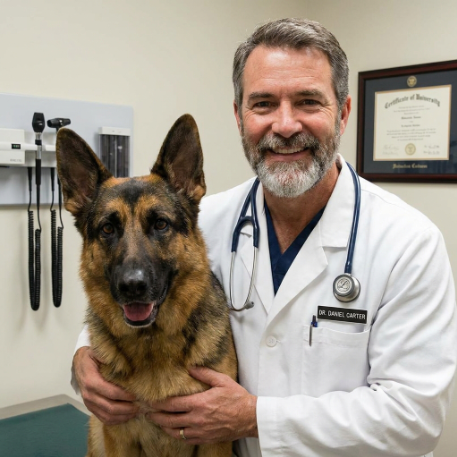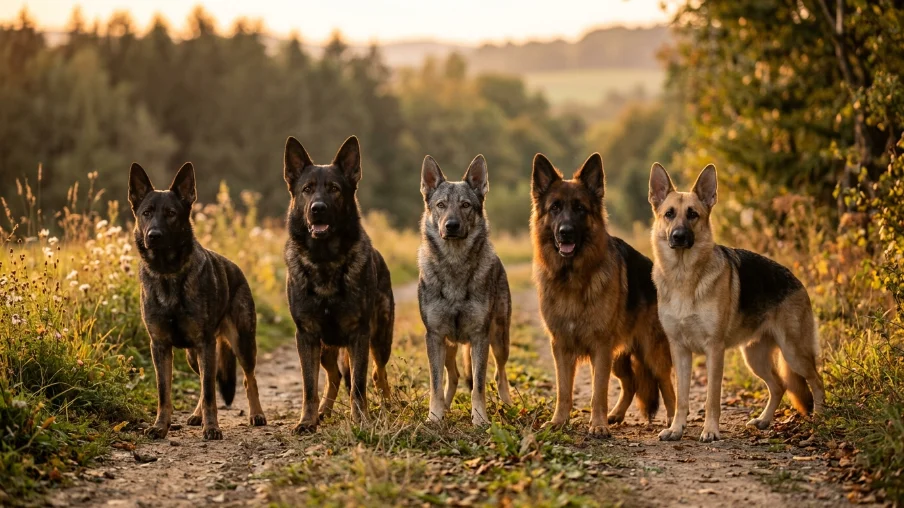
German Shepherd breeds refer to the major bloodlines developed for different purposes, including working, protection, military, sport, and conformation. The five primary types are West German Working Line, DDR East German, Czech Working Line, West German Show Line, and American Show Line. Choosing the right bloodline matters far more than coat color because temperament, drive, trainability, and lifestyle compatibility can vary dramatically.
Quick Snapshot Table
| Category | Details |
|---|---|
| Breed | German Shepherd Dog |
| Scientific Name | Canis lupus familiaris |
| Origin | Germany |
| Developed By | Max von Stephanitz |
| Breed Group | Herding Group |
| Recognized Bloodlines | 5 Major Types |
| Working Types | West German Working, DDR East German, Czech Working |
| Show Types | West German Show, American Show |
| AKC Recognition | Yes |
| FCI Recognition | Yes |
| Intelligence Ranking | Top 3 Most Intelligent Dog Breeds |
| Trainability | Excellent |
| Working Ability | Exceptional |
| Energy Level | Moderate to Very High |
| Exercise Needs | 1–2+ Hours Daily |
| Mental Stimulation Needs | Very High |
| Prey Drive | Moderate to Very High |
| Protective Instinct | High |
| Watchdog Ability | Excellent |
| Guard Dog Ability | Excellent |
| Family Compatibility | Very Good to Excellent |
| Child Friendly | Yes (with training and supervision) |
| Stranger Friendly | Reserved but not aggressive |
| Dog Friendly | Moderate (depends on socialization) |
| First-Time Owner Friendly | Moderate |
| Apartment Friendly | Sometimes (with sufficient exercise) |
| Off-Leash Reliability | High when properly trained |
| Barking Level | Moderate |
| Shedding Level | Very High |
| Grooming Needs | Moderate |
| Coat Type | Double Coat |
| Coat Lengths | Stock Coat, Long Coat |
| Common Colors | Black & Tan, Sable, Black, Bi-Color |
| Less Common Colors | Blue, Liver, Isabella, Panda |
| Adult Height (Male) | 24–26 Inches (60–65 cm) |
| Adult Height (Female) | 22–24 Inches (55–60 cm) |
| Adult Weight (Male) | 65–90 Pounds (29–41 kg) |
| Adult Weight (Female) | 50–70 Pounds (23–32 kg) |
| Growth Rate | Rapid During First 18 Months |
| Physical Maturity | 18–24 Months |
| Mental Maturity | 2–3 Years |
| Average Lifespan | 9–13 Years |
| Common Health Concerns | Hip Dysplasia, Elbow Dysplasia, Degenerative Myelopathy, Bloat |
| Health Testing Recommended | OFA Hips, OFA Elbows, DM Testing, Cardiac Screening |
| Best Family Bloodline | West German Show Line |
| Most Balanced Bloodline | West German Working Line |
| Highest Working Drive | Czech Working Line |
| Strongest Bone Structure | DDR East German Line |
| Best for Protection Sports | Czech Working Line |
| Best for Active Families | West German Working Line |
| Best for First-Time GSD Owners | West German Show Line |
| Best for Police/Military Work | Czech & West German Working Lines |
| Best for Conformation Shows | West German Show & American Show Lines |
| Climate Adaptability | Excellent |
| Outdoor Tolerance | High |
| Heat Tolerance | Moderate |
| Cold Tolerance | High |
| Popular Roles | Family Companion, Police Dog, Military Dog, Service Dog, Search & Rescue, Protection Dog |
| Overall Breed Versatility | Exceptional |
| Popularity Worldwide | One of the Most Popular Dog Breeds Globally |
What Are German Shepherd Breeds?
One of the most common misconceptions is that there are multiple separate German Shepherd breeds.
There is only one German Shepherd Dog breed.
However, different bloodlines were developed over generations for specific purposes such as military work, police service, protection sports, herding, family companionship, and conformation showing.
These bloodlines developed distinct characteristics while remaining part of the same breed.
Here is where most people get it wrong.
Many buyers focus on color, size, or appearance.
Experienced breeders focus on temperament, structure, health testing, working ability, and genetic stability.
Appearance alone tells you very little about a dog’s long-term quality.
The 5 Main German Shepherd Bloodlines
German Shepherd Types at a Glance
| Bloodline | Energy | Working Drive | Family Suitability |
|---|---|---|---|
| West German Working | High | High | Good |
| DDR East German | Very High | Very High | Moderate |
| Czech Working | Extremely High | Extreme | Moderate |
| West German Show | Moderate | Moderate | Excellent |
| American Show | Moderate | Moderate | Good |
West German Working Line
Many experienced breeders consider this the most balanced bloodline.
Strengths include:
- Strong working ability
- Stable temperament
- Good health focus
- Athletic structure
- Excellent trainability
These dogs excel in sport, service work, and active family homes.
DDR East German Shepherd
Originally developed for East German military and border patrol programs.
Common characteristics:
- Heavy bone structure
- Strong nerves
- High endurance
- Serious working temperament
DDR dogs often require experienced handling and significant training.
Czech Working Line
The Czech Working Line was developed primarily for military and protection work.
Traits commonly include:
- Extreme drive
- High intensity
- Exceptional athleticism
- Strong prey drive
The real issue is that many first-time owners underestimate how demanding these dogs can be.
West German Show Line
This bloodline combines attractive conformation with stable family-oriented temperaments.
Advantages include:
- Good social temperament
- Strong trainability
- Family compatibility
- Predictable structure
For many households, this is the most practical choice.
American Show Line
American Show Lines were developed primarily for conformation competition.
Characteristics often include:
- More angled rear structure
- Moderate drive
- Friendly temperament
- Companion suitability
Working ability can vary significantly depending on breeding goals.
Breed History and Origin
The German Shepherd Dog was developed in Germany during the late nineteenth century.
Captain Max von Stephanitz sought to create the ultimate working dog.
His famous philosophy emphasized utility over appearance.
The original breed was developed for:
- Herding livestock
- Guarding property
- Intelligence
- Endurance
- Obedience
Over time, regional breeding programs created the bloodlines we see today.
Appearance and Structure
Although all German Shepherds share common traits, structure varies among bloodlines.
Typical characteristics include:
- Height: 22–26 inches
- Weight: 50–95 pounds
- Athletic build
- Upright ears
- Double coat
- Bushy tail
Working lines generally appear more athletic and functional.
Show lines often display more pronounced angulation.
Genetics and Color Explanation
Responsible breeders evaluate far more than color.
Common German Shepherd colors include:
- Black and Tan
- Sable
- Black
- Bi-Color
Less common colors include:
- Blue
- Liver
- Isabella
- Panda
Color genes have little impact on working ability, intelligence, or temperament.
The healthiest puppy is not necessarily the rarest-colored puppy.
Temperament and Personality
German Shepherds are known for:
- Loyalty
- Confidence
- Intelligence
- Courage
- Trainability
Properly bred German Shepherds should be:
- Alert but stable
- Protective but controllable
- Confident but not fearful
Temperament depends heavily on genetics, socialization, and training.
Intelligence and Trainability
German Shepherds consistently rank among the world’s most trainable breeds.
They excel in:
- Obedience
- Tracking
- Search and rescue
- Service work
- Protection sports
- Scent detection
A mentally understimulated German Shepherd often develops unwanted behaviors.
Mental exercise is just as important as physical activity.
Exercise Requirements
Most adult German Shepherds require:
| Activity Type | Daily Need |
|---|---|
| Physical Exercise | 1–2 Hours |
| Mental Stimulation | 30–60 Minutes |
| Training Sessions | Daily |
Suitable activities include:
- Hiking
- Tracking
- Agility
- Obedience
- Nose work
- Structured play
Health Problems and Genetic Risks
Common concerns include:
| Condition | Risk Level |
|---|---|
| Hip Dysplasia | High |
| Elbow Dysplasia | Moderate |
| Degenerative Myelopathy | Moderate |
| Bloat (GDV) | Moderate |
| Allergies | Moderate |
| Spinal Disorders | Variable |
Responsible breeders typically perform:
- Hip evaluations
- Elbow evaluations
- Genetic testing
- Health screenings
Health testing should always be prioritized over appearance.
Puppy Development Timeline
| Age | Development Stage |
|---|---|
| Birth–8 Weeks | Early neurological development |
| 2–4 Months | Critical socialization period |
| 4–6 Months | Teething and confidence building |
| 6–12 Months | Adolescence develops |
| 12–18 Months | Physical maturity increases |
| 18–24 Months | Mental maturity improves |
| 2–3 Years | Full adult temperament emerges |
2–4 Months
This is the most important socialization period.
Positive exposure to people, environments, sounds, and experiences has lifelong effects.
4–6 Months
Puppies begin testing boundaries.
Many owners mistake this stage for stubbornness.
Consistent training becomes increasingly important.
6–12 Months
Adolescence arrives.
Energy levels increase while impulse control remains limited.
12–24 Months
Mental maturity gradually develops.
Many German Shepherds do not reach full emotional maturity until two to three years of age.
Feeding and Nutrition
Focus on:
- High-quality protein
- Controlled growth
- Healthy body condition
- Appropriate calorie intake
Avoid rapid growth in large-breed puppies.
Steady development supports long-term orthopedic health.
Grooming Guide
German Shepherds are heavy shedders.
Routine care includes:
- Weekly brushing
- Seasonal deshedding
- Nail trimming
- Ear cleaning
- Dental care
Expect significantly heavier shedding during seasonal coat changes.
What Living With a German Shepherd Is Really Like
Many articles overlook the daily reality.
German Shepherds often:
- Follow owners constantly
- Notice environmental changes quickly
- Bark when under-stimulated
- Shed heavily
- Need regular structure
These dogs thrive when given meaningful jobs and consistent leadership.
They are rarely low-maintenance pets.
Common Owner Mistakes
- Choosing based on color alone
- Underestimating exercise needs
- Purchasing from untested breeders
- Delaying socialization
- Inconsistent training
Most long-term behavioral issues begin with management mistakes rather than genetics alone.
Price Guide and Ownership Costs
| Expense | First Year Cost |
|---|---|
| Puppy Purchase | $800–$4,500+ |
| Veterinary Care | $300–$1,000 |
| Food | $500–$1,200 |
| Training | $300–$2,000 |
| Crate and Supplies | $100–$500 |
| Insurance | $300–$900 |
How to Find a Reputable Breeder
Look for breeders who:
- Health test breeding dogs
- Understand genetics
- Evaluate temperament
- Socialize puppies properly
- Offer lifetime support
Responsible breeders evaluate far more than color.
Questions to Ask Before Buying
- Are both parents health tested?
- Can I see health certifications?
- What are the parents’ temperaments?
- How are puppies socialized?
- What guarantees are provided?
- What support is offered after purchase?
Buyer Warning Section
Avoid breeders who:
- Focus primarily on rare colors
- Cannot provide health records
- Always have puppies available
- Refuse to answer questions
- Do not evaluate temperament
Lifestyle Compatibility
| Lifestyle Factor | Suitable? | Notes |
|---|---|---|
| Families | Yes | Excellent with training |
| Children | Yes | Supervision required |
| Apartments | Sometimes | Exercise critical |
| Active Owners | Excellent | Ideal match |
| Working Homes | Excellent | Natural fit |
| First-Time Owners | Moderate | Commitment required |
Working Line vs Show Line German Shepherd
| Trait | Working Line | Show Line |
|---|---|---|
| Energy | Higher | Moderate |
| Drive | Higher | Moderate |
| Training Need | Intensive | Moderate |
| Family Suitability | Good | Excellent |
| Working Ability | Excellent | Good |
| Protection Potential | Excellent | Moderate to High |
FAQs
What are the five German Shepherd bloodlines?
West German Working, DDR East German, Czech Working, West German Show, and American Show Lines.
Which German Shepherd is best for families?
West German Show Lines are often considered the most family-friendly.
Which German Shepherd has the strongest drive?
Czech Working Lines typically have the highest working drive.
Which bloodline is easiest to train?
Most German Shepherds are highly trainable, but West German Working Lines are known for balanced trainability and stability.
Are German Shepherds good for first-time owners?
They can be, but only if owners are committed to training, exercise, and socialization.
What is the rarest German Shepherd type?
True DDR and imported Czech Working Lines are generally less common than mainstream bloodlines.
Do all German Shepherds shed heavily?
Yes. German Shepherds are considered heavy shedders throughout the year.
How long do German Shepherds live?
Most live between 9 and 13 years.
Are working lines more difficult to own?
Generally yes. Their higher energy and drive require greater commitment.
Does color affect temperament?
No. Genetics, breeding practices, and socialization have a far greater impact than coat color.
Conclusion
German Shepherd breeds are best understood as specialized bloodlines developed for different purposes. While all belong to the same breed, significant differences exist in temperament, energy level, trainability, structure, and working ability.
The best German Shepherd is not the rarest color or the most expensive puppy. It is the dog whose genetics, temperament, and lifestyle compatibility match your goals and experience level.