Golden Retriever puppies typically cost $1,000–$3,000 from health-tested breeders, with show or field-line dogs reaching $3,500+. Price is driven primarily by parent health testing, pedigree, and breeder reputation not coat shade or “rarity” claims. Annual ownership costs average $2,000–$4,500, with lifetime costs often exceeding $20,000 once food, vet care, and emergencies are factored in.
Quick Snapshot Table
| Feature | Details |
|---|---|
| Breed | German Shorthaired Pointer (GSP) |
| Breed Type | Purebred Sporting Dog |
| Origin | Germany |
| AKC Group | Sporting Group |
| Average Puppy Price (Pet Quality) | $1,000–$2,000 |
| Average Puppy Price (Show/Field Lines) | $2,500–$3,500+ |
| Elite Hunting/Champion Lines | $4,000–$8,000+ |
| AKC Registration | Available; required for show/breeding lines |
| Average Adult Weight | Males: 65–75 lbs / Females: 55–65 lbs |
| Height | Males: 23–25 inches / Females: 21–23 inches |
| Lifespan | 10–12 years |
| First-Year Ownership Cost | $3,500–$6,000 (includes puppy price + setup + vet) |
| Average Annual Cost (Adult) | $2,000–$4,500 |
| Lifetime Ownership Cost | $20,000–$30,000+ |
| Adoption/Rescue Cost | $200–$600 |
| Initial Supplies Cost | $300–$1,000 |
| Monthly Food Cost | $50–$150 |
| Monthly Pet Insurance | $30–$100 |
| Routine Veterinary Cost | $300–$800 annually |
| Vaccination Cost (Puppy Year) | $100–$300 |
| Spay/Neuter Cost | $200–$800 |
| Professional Training Cost | $500–$3,000+ |
| Hunting Training Cost | $1,000–$10,000+ |
| Boarding Cost | $25–$80 per day |
| Grooming Cost | Low; minimal professional grooming required |
| Exercise Needs | Very High |
| Daily Exercise Requirement | 90–120+ minutes |
| Mental Stimulation Needs | Very High |
| Energy Level | Extremely High |
| Trainability | Excellent |
| Intelligence | High |
| Family Friendly | Yes |
| Good With Children | Usually Yes |
| Good With Other Dogs | Usually Excellent |
| Apartment Friendly | Generally No |
| Shedding Level | Moderate |
| Grooming Needs | Low |
| Hunting Ability | Exceptional |
| Field Trial Potential | Excellent |
| Service Dog Potential | Moderate |
| Common Major Expense | Hip/elbow surgery, cancer treatment |
| Common Health Concerns | Hip Dysplasia, Bloat, Cancer, Heart Conditions, Eye Disorders |
| Emergency Vet Fund Recommendation | $1,500–$5,000 |
| Pet Insurance Recommendation | Strongly Recommended |
| Breeder Health Testing Importance | Extremely High |
| Cost-Saving Option | Adoption or Breed-Specific Rescue |
| Long-Term Financial Commitment | Significant |
| Best Owner Type | Active Individuals, Hunters, Outdoor Families |
| Financial Planning Importance | High Before Purchase |
| Overall Ownership Cost Rating | Moderate to High |
What Determines Golden Retriever Cost?

Golden Retriever cost is shaped by a small number of factors that matter far more than people expect and a few that get more attention than they deserve.
Here is where most people get it wrong: they assume coat color (light “English cream” vs. traditional gold) or breeder marketing language drives price. In reality, the factors that move the needle most are health testing, pedigree quality, and geographic location.
What actually drives Golden Retriever price up:
- OFA hip, elbow, heart, and eye clearances on both parents
- Genetic testing for known breed conditions (PRA1, ichthyosis, NCL)
- Show or field trial pedigree with titled ancestors
- Breeder’s reputation and waitlist demand
- Regional cost of living and local demand
What does not justify a higher price:
- “Rare” English cream coloring this is a normal coat shade variation, not a separate breed or genetic rarity
- “Teacup” or undersized Golden Retrievers not a recognized variation and often signals poor breeding practices
- Designer mixes marketed under Golden Retriever pricing (Goldendoodles are a different cost category entirely)
Experienced buyers learn to ask what specifically justifies a price point rather than accepting a number at face value.
Golden Retriever Puppy Price Breakdown

| Breeder Type | Price Range | What You’re Paying For |
| Reputable health-tested breeder | $1,500–$2,800 | OFA/CHIC clearances, genetic testing, socialized litter, health guarantee |
| Show/field-line breeder | $2,800–$4,500+ | Titled pedigree, competition lineage, extensive testing |
| Backyard/casual breeder | $700–$1,500 | Minimal or no health testing; variable quality |
| Pet store / broker | $1,200–$2,500 | Often commercial breeding origin regardless of paperwork |
| Rescue or shelter adoption | $200–$600 | Spay/neuter, vaccines, sometimes microchip and basic vet check |
The real issue is this: a $1,200 puppy and a $2,800 puppy can come from breeders with comparable health testing price differences often reflect geography, demand, and breeder overhead more than puppy quality. Always ask for documentation rather than relying on price as a quality signal.
First-Year Ownership Cost Breakdown
| Expense Category | Estimated Cost |
| Puppy purchase price | $1,000–$3,000 |
| Spay/neuter (if not included) | $200–$500 |
| Initial vaccinations and vet exams | $200–$400 |
| Crate, bedding, bowls, leash, collar | $150–$300 |
| Puppy food (first year) | $400–$700 |
| Puppy training classes | $150–$500 |
| Microchipping | $25–$50 |
| Pet insurance (first year) | $300–$600 |
| Total First-Year Estimate | $3,500–$6,000+ |
Annual Ownership Cost (Adult Dog)

| Expense | Annual Cost (USD) |
| High-quality food | $700–$1,200 |
| Routine veterinary care | $300–$600 |
| Flea, tick, heartworm prevention | $200–$350 |
| Professional grooming | $400–$900 |
| Pet insurance | $400–$800 |
| Toys, supplies, enrichment | $150–$350 |
| Total Annual Estimate | $2,150–$4,200 |
Experienced owners build in a separate emergency fund beyond this baseline. Golden Retrievers carry an elevated lifetime cancer risk compared to many breeds, and orthopedic issues are common both can introduce costs well outside routine budgeting.
Why Golden Retrievers Have High Lifetime Health Costs
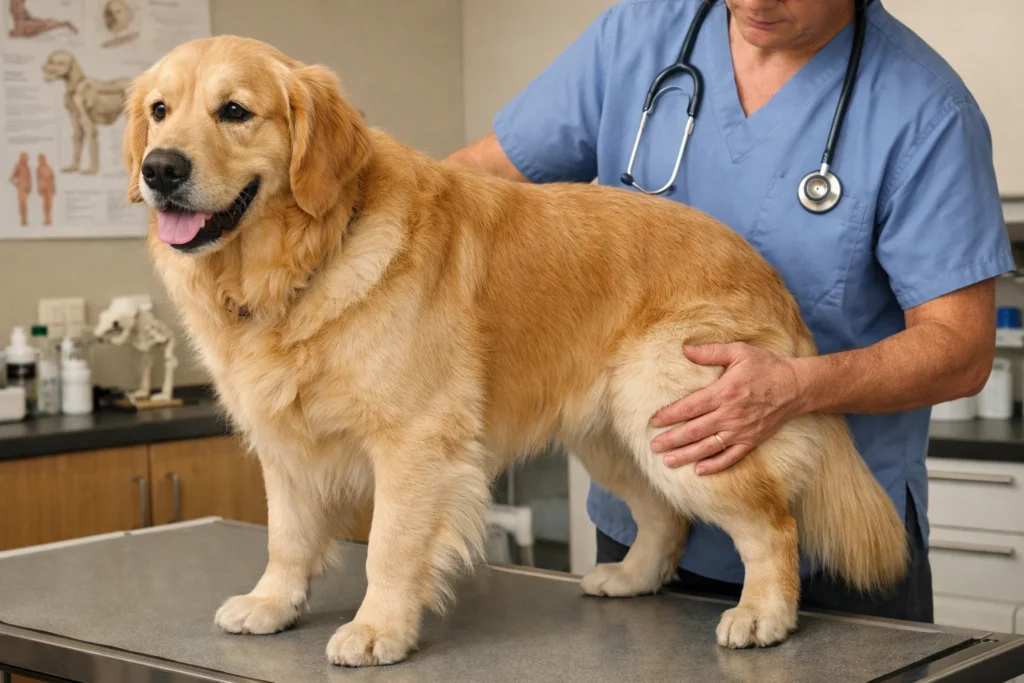
Responsible breeders evaluate far more than coat color or size when pricing puppies, because the conditions they screen for directly affect what an owner will spend over the dog’s lifetime.
Conditions that commonly drive up lifetime cost:
- Hip and elbow dysplasia orthopedic surgery can range from $3,000–$7,000 per joint
- Cancer Golden Retrievers have one of the highest breed-specific cancer rates documented by veterinary oncology research; treatment can range from a few hundred dollars for monitoring to $10,000+ for surgery, chemotherapy, or radiation
- Subvalvular aortic stenosis (SAS) a heart condition requiring cardiac monitoring and, in severe cases, costly intervention
- Hypothyroidism manageable but requires lifelong medication and periodic bloodwork
- Ear infections Goldens’ floppy ears and water-loving nature make them prone to recurring ear issues, adding modest but consistent veterinary costs over time
This is exactly why upfront price from a health-testing breeder, while higher, is often the more economical choice long-term. A lower purchase price from an untested breeding pair can translate into significantly higher lifetime veterinary spending.
Cost Comparison: Buying vs. Adopting
| Factor | Buying from Breeder | Adopting/Rescue |
| Upfront cost | $1,000–$3,500+ | $200–$600 |
| Age available | Puppy (8 weeks+) | Often adult; puppies less common |
| Health history | Available from breeder/parents | Often limited or unknown |
| Temperament predictability | Higher (litter and parent history known) | Variable; shelter assessment only |
| Spay/neuter included | Sometimes | Almost always |
| Wait time | Weeks to months (reputable breeders) | Often immediate to a few weeks |
| Best for | Buyers wanting predictable lineage, show/field goals | Buyers prioritizing lower cost, flexible timeline |
Hidden Costs Most Articles Miss
1. Grooming is a recurring, non-optional cost Golden Retrievers have a dense double coat that mats and sheds heavily. Owners who skip professional grooming and rely entirely on home brushing often underestimate the time commitment and those who do use professional groomers should budget for it as a true monthly line item, not an occasional expense.
2. Pet insurance premiums rise with breed risk Because Golden Retrievers are statistically higher-risk for cancer and joint disease, insurance premiums for this breed run higher than for many other breeds of similar size. Enrolling as a puppy, before any conditions are diagnosed, generally secures better long-term rates than waiting.
3. Boarding and pet care costs add up A large, social breed like the Golden Retriever often does poorly with extended isolation, making boarding or dog-walking services a more frequent necessity than owners initially plan for particularly for owners with demanding work schedules.
4. Senior-year costs spike The final 1–2 years of a Golden Retriever’s life frequently carry the highest veterinary costs of the dog’s lifetime, due to age-related joint issues, organ function decline, or cancer treatment. Budgeting evenly across the dog’s life, rather than only for puppyhood, is a mistake many first-time owners make.
How to Avoid Overpaying
Questions to ask before paying for a puppy:
- Can I see OFA hip, elbow, heart, and eye clearance certificates for both parents?
- Has the litter been tested for PRA1, ichthyosis, and NCL (breed-relevant genetic conditions)?
- What is included in the price registration papers, first vaccinations, microchip, health guarantee?
- Why is this puppy priced higher or lower than other litters you’ve produced?
- Is the breeder a member of the Golden Retriever Club of America (GRCA) or an equivalent national breed club?
Buyer Warning: Be cautious of breeders charging premium prices for “rare” white, cream, or red Golden Retrievers. These are normal shade variations within the accepted coat color range not separate, rarer types and should not carry an automatic price premium without corresponding health testing to justify it.
Lifestyle Compatibility
| Lifestyle Factor | Suitable? | Notes |
| Families with children | Yes | One of the most family-friendly large breeds |
| Apartments | Possible | Needs daily structured exercise to thrive in smaller spaces |
| Active owners | Excellent | Enjoys swimming, hiking, retrieving games |
| First-time owners | Yes | Among the more forgiving large breeds for new owners |
| Budget-conscious owners | Caution | Grooming and health costs are higher than many breeds |
| Working households | Caution | Prone to separation-related stress without enrichment |
Preparation Checklist
- [ ] Confirm breeder’s OFA/CHIC health testing documentation
- [ ] Budget for first-year costs ($3,500–$6,000)
- [ ] Research pet insurance options before bringing the puppy home
- [ ] Identify a 24-hour emergency veterinary clinic nearby
- [ ] Set aside a separate savings buffer for unexpected veterinary costs
- [ ] Research local professional grooming costs and frequency needs
- [ ] Compare adoption options if budget is a primary constraint
FAQs
Q: What is the average cost of a Golden Retriever puppy? The average Golden Retriever puppy costs between $1,000 and $2,500 from a reputable, health-tested breeder. Show-quality or field-trial-line puppies can exceed $3,500. Prices below $800 often indicate minimal or no health testing.
Q: Is a Golden Retriever expensive to own? Yes, relative to many breeds. Annual costs average $2,000–$4,500 due to their size, grooming needs, and predisposition to costly health conditions like hip dysplasia and certain cancers. Lifetime costs commonly exceed $20,000.
Q: How much does a Golden Retriever cost per year? Annual ownership averages $2,000–$4,500, covering food, routine veterinary care, grooming, preventatives, and insurance. This figure rises significantly in years with injury, illness, or emergency surgery.
Q: Are English Cream Golden Retrievers more expensive? Often yes, but not because of genetic rarity the lighter coat is a normal color variation. Higher prices for cream-colored Goldens usually reflect breeder marketing rather than added health or quality.
Q: Is adopting a Golden Retriever cheaper than buying? Significantly. Rescue or shelter adoption typically costs $200–$600, including spay/neuter and initial vaccinations, compared to $1,000–$3,500+ for a breeder puppy.
Q: How much is a Golden Retriever puppy on average in 2026? Most Golden Retriever puppies from reputable, health-tested breeders cost between $1,000 and $2,800. Show or field-trial lines can exceed $3,500. Puppies priced under $700 typically indicate minimal health testing.
Q: Why are some Golden Retrievers so expensive? Higher prices generally reflect extensive parent health testing, titled show or field pedigrees, and breeder reputation not coat color, “rarity,” or size variations.
Q: Are English Cream Golden Retrievers worth the extra cost? The lighter coat itself adds no functional or health advantage. If a cream-colored puppy costs more, the premium should be tied to documented health testing and pedigree quality, not coat shade alone.
Q: What is the cheapest way to get a Golden Retriever? Adoption through a rescue organization or shelter is the most affordable route, typically $200–$600, and usually includes spay/neuter and initial vaccinations.
Q: How much does it cost to own a Golden Retriever per year? Annual costs typically range from $2,000–$4,500, covering food, routine vet care, grooming, and preventatives before accounting for any unexpected medical expenses.
Q: Do Golden Retrievers cost more than other large breeds? Generally yes, when accounting for grooming needs and elevated lifetime health risks, particularly cancer. Their purchase price is comparable to many large breeds, but lifetime costs tend to run higher.
Q: Is pet insurance worth it for a Golden Retriever? Given the breed’s documented predisposition to cancer and joint disease, many veterinary professionals consider insurance a financially sound decision, particularly when enrolled while the dog is young and healthy.
Q: How much does Golden Retriever grooming cost? Professional grooming typically costs $50–$90 per session, with most owners scheduling sessions every 6–8 weeks, totaling roughly $400–$900 annually.
Conclusion
Golden Retriever cost is not just about the puppy price tag it is a long-term financial commitment shaped heavily by health testing quality upfront and breed-specific health risks over the dog’s lifetime. A higher initial price from a breeder who tests thoroughly is often the more economical path once lifetime veterinary costs are factored in.
Buyers who research pricing transparently, ask the right questions, and budget realistically for both routine and emergency costs are far better positioned to provide a stable, well-cared-for home which is, ultimately, what every Golden Retriever deserves.