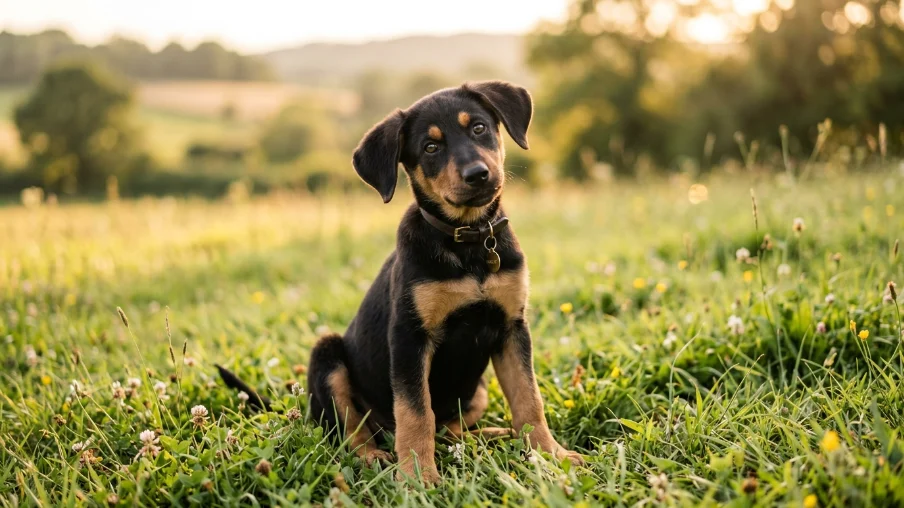
The German Shepherd Doberman Mix, often called a Doberman Shepherd or Shobie, is a powerful hybrid breed created by crossing a German Shepherd with a Doberman Pinscher. Known for its intelligence, loyalty, and protective instincts, this energetic mix combines the German Shepherd’s trainability with the Doberman’s athleticism and confidence. With proper training and socialization, a Doberman Shepherd can become a devoted family companion, guardian or working dog.
Quick Snapshot Table
| Category | Key Details |
|---|---|
| Breed Type | German Shepherd Doberman Hybrid |
| Other Names | Doberman Shepherd, Shobie |
| Parent Breeds | German Shepherd and Doberman Pinscher |
| Size | Large |
| Height | 22–28 Inches |
| Weight | 60–100 lbs |
| Lifespan | 10–13 Years |
| Energy Level | Very High |
| Intelligence | Exceptional |
| Trainability | Excellent |
| Family Friendly | Yes with Training |
| Good With Children | Usually Yes When Socialized |
| Good With Other Dogs | Moderate |
| Stranger Friendly | Moderate to Low |
| Protective Instinct | High |
| Loyalty Level | Exceptional |
| Affection Level | High |
| Watchdog Ability | Excellent |
| Guard Dog Ability | Excellent |
| Shedding | Moderate to Heavy |
| Coat Type | Short to Medium Double Coat |
| Coat Length | Short to Medium |
| Grooming Needs | Moderate |
| Drooling | Low |
| Barking Level | Moderate |
| Apartment Friendly | Generally Not Recommended |
| Exercise Needs | Very High |
| Daily Exercise Requirement | 90–120+ Minutes |
| Mental Stimulation Needs | Very High |
| Prey Drive | Moderate to High |
| Off-Leash Reliability | Moderate with Advanced Training |
| Working Ability | Exceptional |
| Protection Dog Potential | Very High |
| Service Dog Potential | Moderate to High |
| Search & Rescue Potential | High |
| First-Time Owner Friendly | Usually No |
| Experience Level | Intermediate to Advanced Owners |
| Socialization Importance | Critical |
| Training Difficulty | Moderate |
| Adaptability | Moderate |
| Food Consumption | 3–5 Cups Daily |
| Common Coat Colors | Black & Tan, Black & Rust, Sable, Red, Bi-Color |
| Eye Color | Brown, Dark Brown, Amber |
| Heat Tolerance | Moderate |
| Cold Tolerance | Good |
| Climate Preference | Moderate Climates |
| Puppy Price Range | $500–$2,500+ |
| AKC Recognition | Not Recognized (Hybrid Breed) |
| Best For | Experienced Owners, Active Families, Protection Work |
| Not Ideal For | Sedentary Households, Inexperienced Owners |
| Common Health Concerns | Hip Dysplasia, Elbow Dysplasia, Bloat, Dilated Cardiomyopathy, Degenerative Myelopathy, Von Willebrand Disease |
| Lifelong Training Need | High |
| Escape Artist Potential | Moderate |
| Overall Maintenance Level | Moderate to High |
| Companion Dog Rating | Excellent |
| Family Protection Rating | Excellent |
| Working Dog Rating | Exceptional |
| Overall Suitability | Best for Active Owners Seeking an Intelligent, Loyal, and Protective Companion |
Why the German Shepherd Doberman Mix Stands Out
Some designer dog mixes are bred primarily for appearance.
The German Shepherd Doberman Mix is different.
Both parent breeds were developed as serious working dogs. One has earned a reputation for versatility in military, police, and service work. The other is known for speed, confidence, and natural protective instincts.
The result is often an impressive dog with exceptional intelligence and athletic ability.
However, appearance alone tells you very little.
A beautiful dog with poor nerves, weak structure, or unstable temperament can become far more challenging than a less flashy dog with sound genetics.
That is why responsible breeders focus on:
- health testing
- temperament evaluation
- working ability
- structural soundness
before considering appearance.
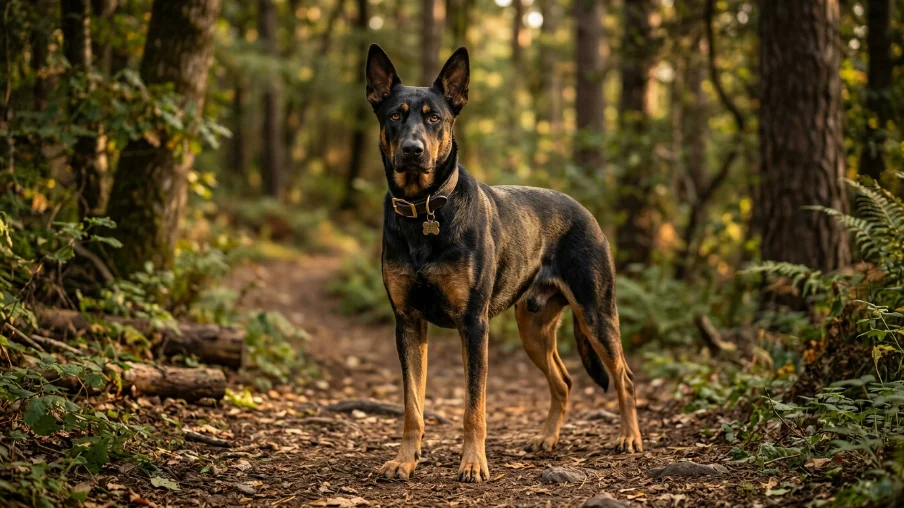
What Is a German Shepherd Doberman Mix?
Breed Origins
The German Shepherd Doberman Mix is a cross between:
- German Shepherd Dog
- Doberman Pinscher
The goal is often to combine:
- intelligence
- trainability
- athleticism
- loyalty
- protection instincts
Because this is a hybrid, no two litters are exactly alike.
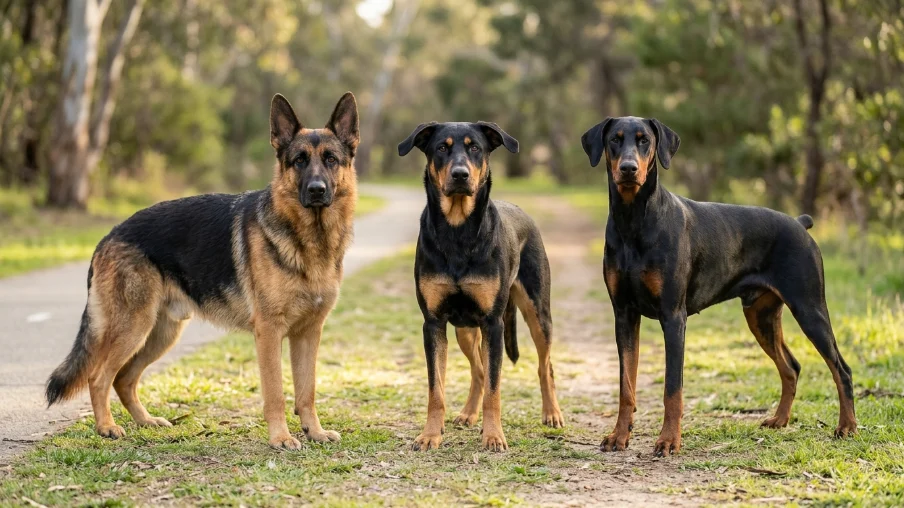
Some puppies inherit stronger German Shepherd characteristics, while others resemble the Doberman more closely.
Common Names
This mix may be called:
- Doberman Shepherd
- German Shepherd Doberman Mix
- German Shepherd Doberman Cross
Although increasingly popular, it is not recognized as a separate breed by major kennel clubs.
Parent Breed Influence
What Traits Come From the German Shepherd?
German Shepherds often contribute:
- trainability
- versatility
- loyalty
- problem-solving ability
- environmental awareness
These traits help create a dog that enjoys learning and working alongside its owner.
What Traits Come From the Doberman?
Dobermans often contribute:
- athleticism
- speed
- confidence
- alertness
- strong protective instincts
Many Doberman-influenced puppies develop exceptional physical ability and quick reactions.
Which Parent Will the Puppy Take After?
This is one of the biggest misconceptions surrounding mixed breeds.
No breeder can guarantee an exact 50/50 combination.
Some puppies may look and behave almost entirely like:
- German Shepherds
Others may strongly resemble:
- Dobermans
Most fall somewhere in between.
Parent Breed Comparison Table
| Trait | German Shepherd Influence | Doberman Influence |
|---|---|---|
| Intelligence | Very High | Very High |
| Trainability | Excellent | Excellent |
| Energy Level | High | Very High |
| Guarding Ability | Strong | Strong |
| Athleticism | High | Exceptional |
| Family Loyalty | Exceptional | Exceptional |
| Stranger Reserve | Common | Common |
| Working Drive | Very High | Very High |
Appearance and Physical Characteristics
Size and Weight
Most adults fall into the large breed category.
| Gender | Height | Weight |
|---|---|---|
| Male | 24–28 Inches | 75–100 Pounds |
| Female | 22–26 Inches | 60–85 Pounds |
Individual genetics significantly affect final size.
Coat Types
Most German Shepherd Doberman Mixes inherit:
- short to medium coat length
- dense fur
- weather resistance
Some dogs inherit heavier German Shepherd coats while others develop shorter Doberman-like coats.
Common Colors
Popular coat colors include:
- black and tan
- black and rust
- sable
- black
- blue
- red
Body Structure
Most adults develop:
- deep chest
- muscular frame
- powerful rear assembly
- athletic movement
- alert expression
The overall appearance often reflects a serious working dog.
Temperament and Personality
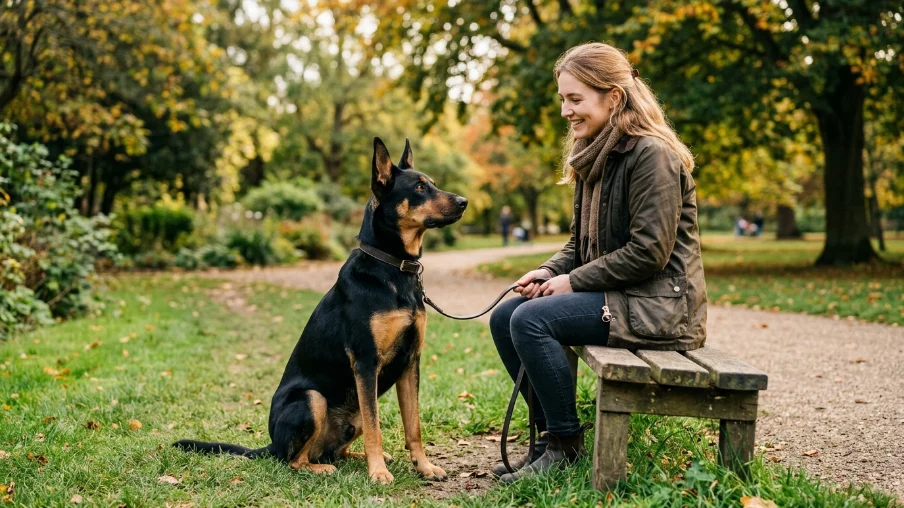
Typical Personality Traits
This mix often inherits desirable qualities from both breeds.
Common traits include:
- intelligence
- loyalty
- confidence
- courage
- trainability
Many become deeply bonded to their families.
Protective Instincts
One reason people choose this mix is protection potential.
However, experienced trainers focus on:
- confidence
- stability
- control
rather than aggression.
A stable dog should remain calm unless a genuine threat exists.
Social Behavior
Most German Shepherd Doberman Mixes are:
- affectionate with family
- reserved with strangers
- observant in new environments
Early socialization has a major influence on adult behavior.
Are They Good Family Dogs?
Families That Often Succeed
This mix thrives with:
- active households
- experienced dog owners
- families who enjoy training
- people who spend significant time outdoors
Families That May Struggle
Problems often arise when owners expect:
- low-maintenance behavior
- minimal exercise needs
- easy adolescent development
Without proper guidance, these dogs can become difficult to manage.
Are They Good for First-Time Owners?
In most cases, no.
This does not mean they are aggressive or impossible to handle.
The challenge comes from managing:
- intelligence
- strength
- energy
- protective instincts
Many first-time owners underestimate the commitment required.
A calmer breed is often a better choice for beginners.
Training and Intelligence
How Smart Are They?
The German Shepherd and Doberman consistently rank among the most intelligent working breeds.
As a result, this hybrid often learns:
- commands quickly
- routines easily
- advanced tasks efficiently
The Challenge of High Intelligence
Intelligence is a benefit only when properly managed.
Without mental stimulation, boredom can create:
- destructive chewing
- excessive barking
- frustration behaviors
Best Training Methods
Successful owners focus on:
- positive reinforcement
- engagement
- impulse control
- consistency
Training should begin immediately after bringing the puppy home.
Exercise Requirements
Daily Activity Needs
Most adults require:
- 1.5–3 hours of combined activity daily
This should include:
- walks
- training
- play sessions
- enrichment activities
Activities They Excel In
Common strengths include:
- obedience
- agility
- scent work
- tracking
- protection sports
Working genetics often create a strong desire for structured activities.
Puppy Development Timeline
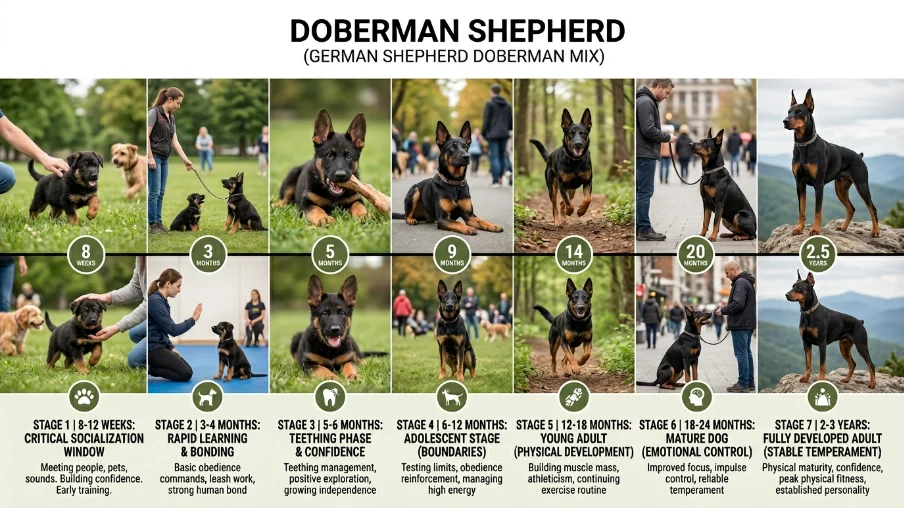
Most German Shepherd Doberman Mix puppies grow rapidly during their first two years.
Development depends on:
- genetics
- nutrition
- socialization
- training
Growth Timeline Table
| Age | Development Stage |
|---|---|
| 8–12 Weeks | Critical socialization window |
| 3–4 Months | Rapid learning and bonding |
| 5–6 Months | Teething and confidence growth |
| 6–12 Months | Adolescent testing phase |
| 12–18 Months | Increased physical maturity |
| 18–24 Months | Improved emotional control |
| 2–3 Years | Full adult temperament develops |
The Stage Most Owners Struggle With
Between 6 and 18 months many dogs begin displaying:
- stronger independence
- territorial awareness
- increased confidence
- testing behaviors
This is where consistency becomes critical.
Health and Genetic Concerns
Common Health Issues
Like all large breeds, this mix may inherit conditions from either parent.
| Condition | Risk Level |
|---|---|
| Hip Dysplasia | Moderate to High |
| Elbow Dysplasia | Moderate |
| Bloat (GDV) | Serious |
| Dilated Cardiomyopathy | Important Concern |
| Von Willebrand Disease | Possible |
| Degenerative Myelopathy | Possible |
The Health Issue Most People Miss
Many owners focus only on physical disease.
Experienced breeders also evaluate:
- temperament stability
- confidence
- nerve strength
- recovery from stress
Behavioral stability is just as important as physical health.
Grooming and Shedding
Shedding Expectations
Most dogs shed:
- moderately throughout the year
- heavily during seasonal changes
Basic Grooming Routine
Weekly care should include:
- brushing
- nail trimming
- ear cleaning
- dental care
Proper maintenance supports long-term health.
Cost of Ownership
Monthly Expenses
| Expense | Estimated Cost |
|---|---|
| Food | $60–150 |
| Preventatives | $20–50 |
| Grooming | $10–40 |
| Training | $50–200 |
| Pet Insurance | $30–80 |
First Year Costs
Most owners spend significantly more during the first year because of:
- vaccinations
- equipment
- training
- veterinary visits
Pros and Cons
Pros
- Highly intelligent
- Extremely loyal
- Excellent trainability
- Strong protective instincts
- Athletic and versatile
- Great for active owners
Cons
- Requires extensive exercise
- Needs mental stimulation
- Can become reactive if poorly socialized
- Often too intense for beginners
- Heavy commitment during adolescence
German Shepherd Doberman Mix vs German Shepherd
| Category | Mix | German Shepherd |
|---|---|---|
| Energy Level | Higher | High |
| Athleticism | Higher | High |
| Predictability | Lower | Higher |
| Trainability | Excellent | Excellent |
| Protection Instinct | Strong | Strong |
| Family Compatibility | Excellent | Excellent |
Common Mistakes Owners Make
Choosing Based on Appearance
Many buyers focus on looks rather than temperament.
This often leads to unrealistic expectations.
Underestimating Exercise Needs
Physical activity alone is not enough.
These dogs also need:
- mental work
- structured training
- engagement
Delaying Socialization
Poor socialization can contribute to:
- fearfulness
- reactivity
- confidence issues
Early exposure matters.
Buyer Warning Section
Red Flags to Watch For
Be cautious if a breeder:
- avoids health testing discussions
- focuses only on appearance
- cannot provide health records
- sells puppies unusually cheaply
- refuses temperament information
What Responsible Breeders Do
Good breeders prioritize:
- health
- temperament
- structure
- long-term support
Appearance alone tells you very little about future quality.
Lifestyle Compatibility
| Lifestyle | Good Match? |
|---|---|
| Active Family | Excellent |
| Experienced Owner | Excellent |
| Rural Property | Excellent |
| Working Dog Enthusiast | Excellent |
| Apartment Living | Challenging |
| Sedentary Household | Poor |
| First-Time Owner | Often Difficult |
Preparation Checklist
You May Be Ready If
- you enjoy training
- you live an active lifestyle
- you can provide daily exercise
- you understand working breeds
You May Want Another Breed If
- you want a low-maintenance dog
- you travel frequently
- you dislike shedding
- you have limited time for training
Frequently Asked Questions
How big does a German Shepherd Doberman Mix get?
Most adults weigh between 60 and 100 pounds and stand 22 to 28 inches tall.
Are German Shepherd Doberman Mixes aggressive?
Not inherently. Proper breeding, training, and socialization have a much greater influence than breed alone.
How much exercise do they need?
Most require 1.5 to 3 hours of combined physical and mental activity every day.
Are they easy to train?
Yes. They are typically highly intelligent and eager to learn.
Do they make good family dogs?
Yes, especially for active families willing to invest time in training and socialization.
What is their average lifespan?
Most German Shepherd Doberman Mixes live between 10 and 13 years.
Conclusion
The German Shepherd Doberman Mix is often marketed as the ultimate protection dog, but experienced owners understand something more important. The dogs that succeed most are not necessarily the most intimidating. They are the ones bred for stability, trained consistently and given meaningful outlets for their intelligence.
When temperament, health, and structure are prioritized over appearance alone, this hybrid can become an exceptionally loyal, capable, and rewarding companion for the right owner.