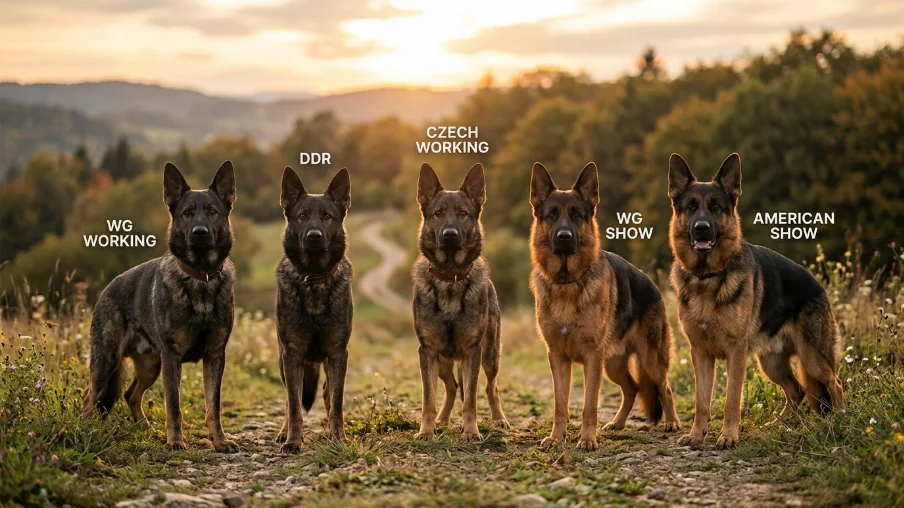
German Shepherd types are distinct bloodlines developed for different purposes, including working, military, sport, and companion roles. The five major types are West German Working, DDR, Czech, West German Show, and American Show Lines. The biggest differences involve temperament, working drive, structure, and trainability not coat color.
What are German Shepherd types?
German Shepherd types are bloodlines developed through selective breeding for specific goals such as working ability, military service, protection work, or conformation showing. The most recognized types include West German Working Lines, DDR German Shepherds, Czech German Shepherds, West German Show Lines, and American Show Lines.
Which German Shepherd type is best?
The best German Shepherd type depends on your lifestyle. West German Show Lines and American Show Lines are often preferred for families, while Czech, DDR, and West German Working Lines are favored for sport, protection, service, and working roles.
Are DDR and Czech German Shepherds rare?
Compared to American and West German Show Lines, DDR and Czech bloodlines are less common in many regions. However, rarity does not necessarily indicate higher quality. Health, temperament, and responsible breeding matter far more than rarity.
How much do German Shepherd types cost?
German Shepherd puppies typically cost between $800 and $5,000+, depending on pedigree, breeder reputation, health testing, working titles, and bloodline. Imported working-line puppies often command higher prices.
Are all German Shepherd types good family dogs?
Most German Shepherd types can become excellent family companions when properly socialized and trained. However, high-drive working lines generally require significantly more exercise, training, and mental stimulation than show-line dogs.
Quick Snapshot Table
| Category | Details |
|---|---|
| Breed | German Shepherd Dog |
| Origin | Germany |
| Major Types | 5 |
| Working Types | West German Working Line, DDR (East German), Czech Working Line |
| Show Types | West German Show Line, American Show Line |
| Intelligence | Very High |
| Trainability | Excellent |
| Energy Level | Moderate to Very High |
| Lifespan | 9–13 Years |
| AKC Recognition | Yes |
| FCI Recognition | Yes |
| Breed Group | Herding Group |
| Original Purpose | Herding and Livestock Protection |
| Modern Roles | Police, Military, Service, Search & Rescue, Family Companion |
| Best Family Type | West German Show Line |
| Highest Drive Type | Czech Working Line |
| Most Protective Type | DDR and Czech Working Lines |
| Most Versatile Type | West German Working Line |
| Most Common Type in North America | American Show Line |
| Most Athletic Type | Czech Working Line |
| Most Balanced Temperament | West German Working Line |
| Most Intense Working Drive | Czech Working Line |
| Best for First-Time Owners | West German Show Line |
| Best for Sport Work | West German Working Line |
| Best for Protection Sports | Czech and DDR Lines |
| Height (Male) | 24–26 Inches |
| Height (Female) | 22–24 Inches |
| Weight (Male) | 65–90 lbs |
| Weight (Female) | 50–70 lbs |
| Coat Type | Double Coat |
| Coat Length | Stock Coat or Long Coat |
| Shedding Level | Heavy |
| Grooming Needs | Moderate |
| Exercise Needs | High |
| Daily Exercise Requirement | 1–2+ Hours |
| Mental Stimulation Needs | Very High |
| Family Friendly | Yes |
| Good With Children | Usually Yes When Socialized |
| Good With Other Dogs | Moderate to Good |
| Stranger Friendly | Moderate |
| Protective Instinct | High |
| Loyalty Level | Exceptional |
| Affection Level | High |
| Watchdog Ability | Excellent |
| Guard Dog Ability | Excellent |
| Apartment Friendly | Possible with Sufficient Exercise |
| Prey Drive | Moderate to High |
| Working Ability | Exceptional |
| Service Dog Potential | High |
| Search & Rescue Potential | High |
| Police K9 Potential | High |
| Military Working Dog Potential | High |
| First-Time Owner Friendly | Depends on Bloodline |
| Socialization Importance | Critical |
| Training Difficulty | Moderate |
| Adaptability | High |
| Common Colors | Black & Tan, Sable, Black, Bi-Color |
| Rare Colors | White, Blue, Liver, Panda, Isabella |
| Heat Tolerance | Moderate |
| Cold Tolerance | Good to Excellent |
| Climate Preference | Moderate to Cool Climates |
| Common Health Concerns | Hip Dysplasia, Elbow Dysplasia, Degenerative Myelopathy, Bloat, Allergies |
| Health Screening Importance | Extremely High |
| Lifelong Training Need | Moderate to High |
| Overall Maintenance Level | Moderate to High |
| Companion Dog Rating | Excellent |
| Family Protection Rating | Excellent |
| Working Dog Rating | Exceptional |
| Breed Popularity | One of the World’s Most Popular Dog Breeds |
| Overall Suitability | Highly Adaptable Breed Available in Both Family-Oriented and High-Drive Working Bloodlines |
German Shepherd Types at a Glance
| Type | Primary Purpose | Energy Level | Best For |
|---|---|---|---|
| West German Working | Versatile Working Dog | Very High | Sport, Service, Working Homes |
| DDR German Shepherd | Military & Security | High | Experienced Owners |
| Czech German Shepherd | Protection & Sport | Very High | Protection Sports |
| West German Show | Conformation & Family | Moderate | Families |
| American Show | Companion & Showing | Moderate | First-Time Owners |
Why Understanding German Shepherd Types Matters
Many people assume all German Shepherds are essentially the same dog.
In reality, the differences between bloodlines can be substantial.
A Czech Working Line bred for protection sports may have dramatically different energy levels, prey drive, and training requirements than an American Show Line bred primarily as a companion.
Here is where most people get it wrong.
They focus heavily on appearance, coat color, or size while overlooking the factors that actually influence daily life:
- Temperament
- Working drive
- Nerve strength
- Energy level
- Trainability
- Genetic health
- Environmental stability
Appearance alone tells you very little about how a German Shepherd will behave.
Experienced breeders focus on something else: the dog’s overall temperament, health, structure, and suitability for its intended role.
What Are German Shepherd Types?
German Shepherd types are not separate breeds.
All belong to the same German Shepherd Dog breed but represent different breeding populations that developed over decades.
Different breeders emphasized different priorities:
- Herding ability
- Military service
- Police work
- Protection sports
- Family companionship
- Conformation showing
Over time, these breeding goals created recognizable bloodlines with distinct characteristics.
The result is a breed that remains genetically connected but displays considerable variation in temperament, structure, and working ability.
How German Shepherd Types Developed
Understanding the history behind German Shepherd bloodlines helps explain why modern types differ so significantly.
Early German Shepherd Development
The German Shepherd was created in Germany during the late 1800s.
Captain Max von Stephanitz sought to develop the ideal working dog by combining intelligence, athleticism, trainability, and utility.
His famous breeding philosophy emphasized function over appearance.
The original German Shepherd was designed as a working animal first and a show dog second.
Division of Bloodlines
As the breed expanded internationally, breeding priorities began to diverge.
Some breeders focused on:
- Conformation showing
- Breed standards
- Companion suitability
Others emphasized:
- Military performance
- Police work
- Sport competition
- Service work
These differing goals eventually produced the major German Shepherd types recognized today.
Complete German Shepherd Types List
Major German Shepherd Bloodlines
| Type | Origin | Original Purpose |
|---|---|---|
| West German Working Line | Germany | Working Performance |
| East German DDR | East Germany | Military & Border Security |
| Czech Working Line | Czech Republic | Border Patrol |
| West German Show Line | Germany | Conformation Showing |
| American Show Line | United States | Companion & Show Ring |
Each bloodline has unique strengths, weaknesses, and ownership requirements.
West German Working Line German Shepherd
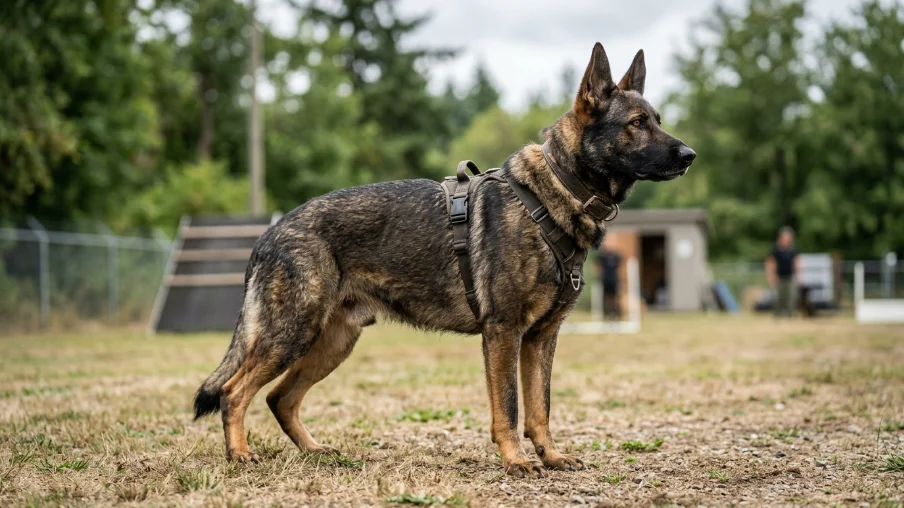
Among experienced trainers and working-dog enthusiasts, the West German Working Line is often considered one of the most balanced German Shepherd types.
These dogs are bred primarily for:
- Working ability
- Nerve strength
- Trainability
- Athleticism
- Functional structure
Appearance
West German Working Lines typically feature:
- Athletic build
- Moderate angulation
- Straighter backs
- Strong muscle development
- Dense double coats
Color patterns often include:
- Sable
- Bi-color
- Black
- Black and tan
Unlike show lines, appearance is generally secondary to performance.
Temperament
This bloodline is known for:
- High intelligence
- Strong work ethic
- Excellent focus
- Confidence
- Stable temperament
Properly bred individuals are energetic but highly trainable.
Working Ability
West German Working Lines excel in:
- Police work
- Search and rescue
- Detection work
- Service dog roles
- Schutzhund/IGP sports
- Competitive obedience
Health Considerations
Responsible breeders typically prioritize:
- OFA hip testing
- OFA elbow testing
- Working evaluations
- Genetic screening
While no bloodline is free from health concerns, responsible selection often helps preserve structural soundness.
Ideal Owner
Best suited for:
- Active individuals
- Working homes
- Sport competitors
- Experienced trainers
Not always ideal for sedentary households.
Pros
- Excellent trainability
- Strong working instincts
- Athletic structure
- Versatile abilities
Cons
- High exercise needs
- Requires consistent mental stimulation
- May overwhelm inexperienced owners
DDR German Shepherd (East German Shepherd)
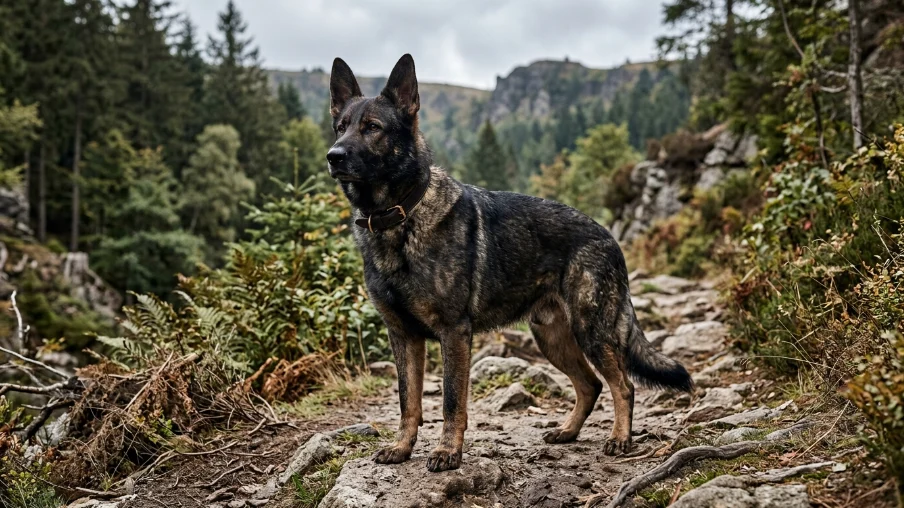
- DDR stands for Deutsche Demokratische Republik, or East Germany. DDR German Shepherds were developed during the Cold War era under strict government-controlled breeding programs.
These dogs were bred primarily for:
- Military work
- Border patrol
- Security operations
As a result, many DDR bloodlines developed reputations for toughness, endurance, and resilience.
Appearance
Typical DDR characteristics include:
- Larger bone structure
- Broad heads
- Dark pigmentation
- Powerful body composition
- Dense coats
Many display darker color patterns than other bloodlines.
Temperament
Well-bred DDR dogs often exhibit:
- Strong confidence
- Environmental stability
- High working drive
- Serious demeanor
- Strong protective instincts
The real issue is that many people confuse confidence with aggression.
A stable DDR German Shepherd should be confident and controllable, not unnecessarily reactive.
Working Ability
DDR bloodlines continue to perform well in:
- Protection work
- Security roles
- Service work
- Working sports
Many enthusiasts appreciate their durability and mental resilience.
Health Considerations
Some breeders believe DDR bloodlines possess strong structural qualities due to strict historical selection practices.
However, individual breeding decisions remain far more important than bloodline labels alone.
Responsible breeders evaluate:
- Hips
- Elbows
- Temperament
- Genetic diversity
Ideal Owner
DDR German Shepherds generally fit best with:
- Experienced handlers
- Active homes
- Structured environments
Pros
- Strong nerves
- Excellent endurance
- Serious working ability
- Powerful structure
Cons
- Can be intense for novice owners
- Require training commitment
- Higher exercise demands
Czech Working Line German Shepherd
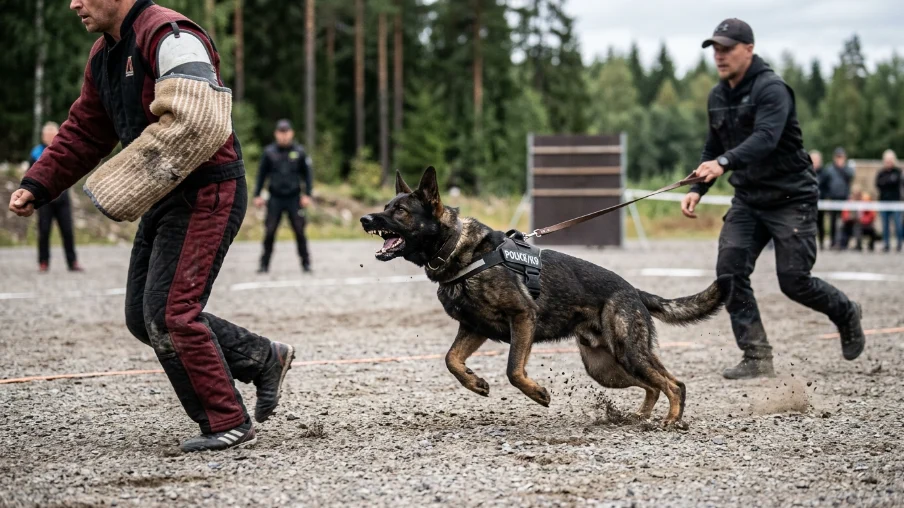
The Czech German Shepherd originated from breeding programs associated with former Czech border patrol operations.
Today, these dogs remain highly respected among working-dog enthusiasts and protection sport competitors.
Many experts consider the Czech Working Line one of the highest-drive German Shepherd types.
Appearance
Common features include:
- Athletic build
- Dark sable coloration
- Strong musculature
- Functional structure
- Intense expression
Many retain a distinctly rugged appearance.
Temperament
Czech bloodlines often demonstrate:
- Exceptional drive
- High energy
- Strong prey drive
- Intense focus
- Excellent work ethic
This is where many first-time owners underestimate the challenge.
A Czech Working Line may require significantly more mental stimulation than a typical companion-bred German Shepherd.
Working Ability
Czech German Shepherds commonly excel in:
- IGP/Schutzhund
- Personal protection
- Detection work
- Advanced obedience
- Working competitions
Their drive and trainability make them popular among serious handlers.
Health Considerations
As with all German Shepherd types, quality breeding practices matter more than bloodline labels.
Buyers should verify:
- Hip certifications
- Elbow certifications
- Temperament testing
- Health records
Ideal Owner
Best suited for:
- Protection sport enthusiasts
- Highly active owners
- Experienced trainers
- Working homes
Pros
- Exceptional trainability
- Outstanding working ability
- High athleticism
- Strong focus
Cons
- Extremely high energy
- Can become frustrated without outlets
- Not ideal for many casual owners
West German Show Line German Shepherd
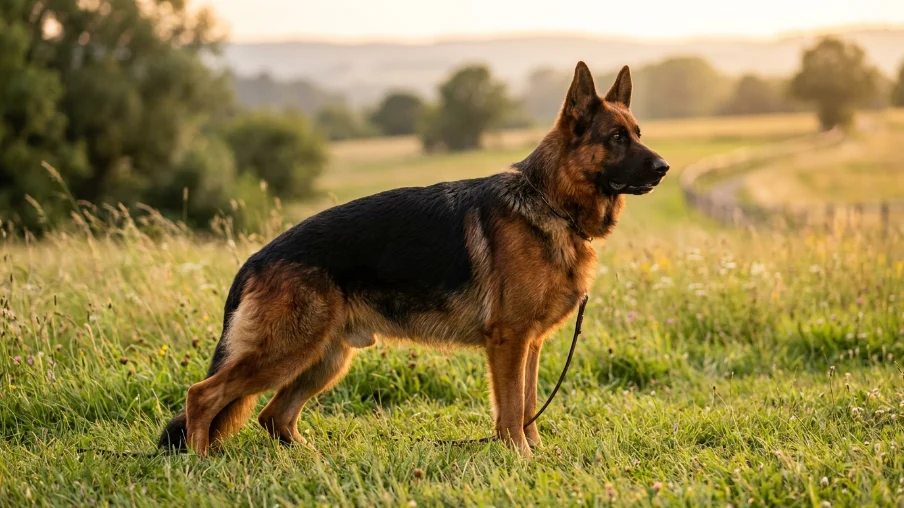
The West German Show Line is one of the most recognizable German Shepherd types in the world.
Unlike working lines, these dogs are primarily bred according to German conformation standards while still maintaining many traditional breed traits.
Experienced breeders often consider the West German Show Line the middle ground between working ability and family companionship.
Appearance
West German Show Lines are known for:
- Rich black and red pigmentation
- Elegant movement
- Balanced structure
- Deep chest
- Strong rear angulation
- Distinctive breed-type appearance
These dogs are often seen in conformation competitions and breed showcases.
Temperament
Well-bred West German Show Lines typically display:
- Stable temperament
- Family-friendly nature
- Strong loyalty
- Moderate working drive
- Good social adaptability
While they may not possess the intensity of some working lines, they remain highly trainable and intelligent.
Working Ability
Many people incorrectly assume show-line dogs cannot work.
In reality, quality West German Show Lines often succeed in:
- Obedience
- Tracking
- Service work
- Therapy work
- Family protection
However, most are bred with less emphasis on extreme working drive than Czech or DDR bloodlines.
Health Considerations
Responsible breeders focus on:
- Hip evaluations
- Elbow evaluations
- Structural soundness
- Temperament testing
The healthiest dogs come from thoughtful breeding decisions rather than appearance-focused selection alone.
Ideal Owner
Best suited for:
- Families
- Companion homes
- Moderate-to-active households
- First-time German Shepherd owners
Pros
- Family-friendly
- Attractive appearance
- Trainable
- Balanced temperament
Cons
- Still requires regular exercise
- Quality varies among breeders
American Show Line German Shepherd
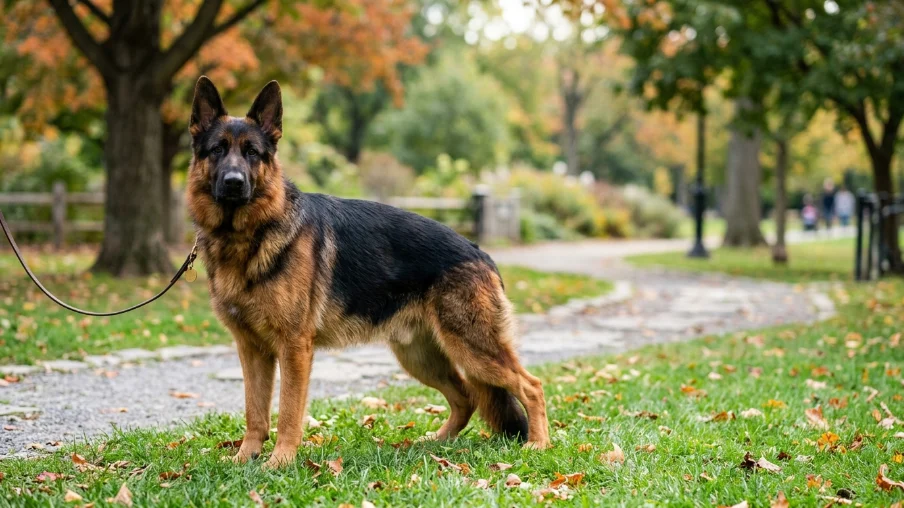
The American Show Line developed separately from German breeding programs and became the dominant type in many North American households.
These dogs are commonly found as:
- Family pets
- Companion animals
- Conformation show dogs
Appearance
American Show Lines often feature:
- More pronounced rear angulation
- Refined appearance
- Longer outline
- Smooth movement
- Black and tan coloration
They are often instantly recognizable due to their show-ring style structure.
Temperament
Most American Show Lines exhibit:
- Moderate energy levels
- Social personalities
- Strong family attachment
- Good trainability
Many are easier for average households than intense working-line dogs.
Working Ability
Although generally less intense than working bloodlines, many American Show Lines still excel in:
- Basic obedience
- Therapy work
- Family companionship
- Recreational sports
Health Considerations
As with all bloodlines, health depends heavily on breeder practices.
Buyers should prioritize:
- OFA certifications
- Health testing
- Temperament evaluation
- Ethical breeding programs
Ideal Owner
Best suited for:
- Families
- Companion homes
- First-time owners
- Moderate activity levels
Pros
- Family-oriented
- Easier management
- Adaptable
- Social
Cons
- Usually less working drive
- Quality varies considerably among breeders
Working Line vs Show Line German Shepherd
One of the most searched questions is whether a working-line or show-line German Shepherd is better.
The answer depends entirely on your goals.
Comparison Table
| Trait | Working Lines | Show Lines |
|---|---|---|
| Energy Level | Very High | Moderate |
| Working Drive | Very High | Moderate |
| Family Suitability | Moderate | High |
| Protection Potential | High | Moderate |
| Trainability | Excellent | Excellent |
| Exercise Needs | Very High | Moderate |
| First-Time Owner Friendly | Less Often | More Often |
| Sport Potential | Excellent | Good |
Neither category is automatically superior.
The best choice is the one that matches your lifestyle.
Best German Shepherd Type for Different Owners
Quick Recommendation Table
| Goal | Recommended Type |
|---|---|
| Family Companion | West German Show |
| First-Time Owner | American Show |
| Protection Sports | Czech Working |
| Police Work | West German Working |
| Security Work | DDR |
| Service Work | West German Working |
| Active Lifestyle | Czech or DDR |
| Companion & Moderate Activity | West German Show |
Rare German Shepherd Types
Many people search for rare German Shepherd types.
However, rarity often receives too much attention.
Less Common Bloodlines
- DDR German Shepherd
- Czech Working Line
- Imported Working Bloodlines
Responsible breeders evaluate far more than rarity.
A rare bloodline with poor health testing is never preferable to a common bloodline with excellent genetics and temperament.
Genetics and Bloodline Differences
German Shepherd types are influenced by selective breeding.
Breeders select dogs based on:
- Temperament
- Working ability
- Structure
- Health
- Trainability
Important Genetic Concepts
Genetic Diversity
Healthy breeding programs seek sufficient diversity while preserving desirable traits.
Health Screening
Responsible breeding often includes:
- OFA hip evaluations
- OFA elbow evaluations
- Degenerative myelopathy testing
- Temperament assessment
Temperament Inheritance
Temperament has a genetic component.
Confident, stable parents are more likely to produce confident, stable puppies.
Temperament Comparison
| Trait | WG Working | DDR | Czech | WG Show | American Show |
|---|---|---|---|---|---|
| Energy | High | High | Very High | Moderate | Moderate |
| Prey Drive | High | High | Very High | Moderate | Moderate |
| Trainability | Excellent | Excellent | Excellent | Excellent | Good |
| Family Friendliness | Good | Good | Moderate | Excellent | Excellent |
| Protection Instinct | Strong | Strong | Strong | Moderate | Moderate |
Intelligence and Trainability
All German Shepherd types are intelligent.
The differences lie in motivation and drive.
Working Lines
Typically display:
- Strong task focus
- High engagement
- Exceptional learning ability
Show Lines
Often demonstrate:
- Easier management
- Greater adaptability
- Family-oriented behavior
The real issue is not intelligence.
It is whether the dog’s drive level matches the owner’s expectations.
Health Problems and Genetic Risks
Regardless of bloodline, German Shepherds can be affected by:
Orthopedic Conditions
- Hip dysplasia
- Elbow dysplasia
- Arthritis
Neurological Conditions
- Degenerative myelopathy
Digestive and Other Issues
- Bloat
- Allergies
- Exocrine pancreatic insufficiency
What Responsible Breeders Test For
- OFA hips
- OFA elbows
- Genetic diseases
- Temperament stability
- Structural soundness
Bloodline alone does not guarantee health.
Individual breeding decisions matter far more.
Puppy Development Timeline
Many owners underestimate how long German Shepherds take to mature mentally.
Development Table
| Age | Development Stage |
|---|---|
| Birth–8 Weeks | Early neurological development |
| 2–4 Months | Critical socialization period |
| 4–6 Months | Confidence building and rapid learning |
| 6–12 Months | Adolescence begins |
| 12–18 Months | Physical maturity increases |
| 18–24 Months | Mental maturity develops |
| 2–3 Years | Full adult temperament emerges |
Feeding and Nutrition
German Shepherds benefit from balanced nutrition designed for:
- Growth
- Joint support
- Muscle development
- Healthy body condition
Avoid excessive weight gain during puppyhood, as additional stress on developing joints may increase orthopedic risks.
Grooming Guide
All German Shepherd types possess a double coat.
Routine Grooming
- Weekly brushing
- Seasonal shedding management
- Nail trimming
- Ear cleaning
- Dental care
Heavy seasonal shedding is normal.
Step-by-Step Care Guide
Daily
- Exercise
- Mental stimulation
- Training sessions
Weekly
- Grooming
- Weight checks
- Equipment inspection
Monthly
- Nail trimming
- Progress evaluation
Annually
- Veterinary examination
- Preventive care review
Common Owner Mistakes
Choosing Based on Appearance
Appearance alone tells you very little about long-term compatibility.
Underestimating Drive
Working-line German Shepherds often require significantly more activity than expected.
Poor Socialization
Early socialization strongly influences adult behavior.
Delaying Training
German Shepherds thrive with structure and consistency.
What Experienced Breeders Actually Evaluate
This is the section many articles miss.
Experienced breeders rarely focus first on:
- Coat color
- Size
- Rarity
Instead, they evaluate:
Nerve Strength
How well does the dog handle stress?
Recovery Ability
How quickly does the dog recover from startling events?
Environmental Stability
Can the dog remain confident in unfamiliar situations?
Food Drive
How motivated is the dog by rewards?
Toy Drive
How willing is the dog to engage during training?
These traits often predict long-term success more accurately than appearance.
Price Guide and Ownership Costs
| Expense | Estimated Cost |
|---|---|
| Puppy Purchase | $800–$5,000+ |
| Food Per Year | $500–$1,200 |
| Veterinary Care | $300–$1,500 |
| Training | $200–$3,000 |
| Supplies | $200–$800 |
Lifetime ownership costs commonly exceed $15,000–$25,000.
How to Find a Reputable Breeder
Look for breeders who:
- Health test breeding dogs
- Explain pedigrees
- Discuss temperament honestly
- Match puppies to owners
- Offer support after purchase
Avoid breeders focused primarily on:
- Rare colors
- Extreme size
- Marketing hype
Questions to Ask Before Buying
- What health testing was completed?
- What are the parents’ temperaments?
- What titles do the parents hold?
- How are puppies socialized?
- Which puppy best matches my lifestyle?
- Can I review certifications?
Buyer Warning Section
Red flags include:
- No health testing
- No pedigree information
- Multiple rare-color advertisements
- Extremely low prices
- No temperament discussion
Responsible breeders typically have a clear breeding philosophy and transparent records.
Lifestyle Compatibility
| Lifestyle Factor | Suitable? | Notes |
|---|---|---|
| Families | Yes | Proper training required |
| Children | Yes | Supervision recommended |
| Apartments | Sometimes | Exercise essential |
| Active Owners | Excellent | Strong match |
| Working Homes | Excellent | Designed for purpose |
| First-Time Owners | Depends | Show lines usually easier |
Preparation Checklist
Before bringing home a German Shepherd:
- Research bloodlines
- Select a reputable breeder
- Prepare training plans
- Budget for healthcare
- Puppy-proof the home
- Schedule veterinary care
- Purchase quality equipment
- Commit to socialization
FAQs
How many German Shepherd types are there?
Five major bloodline categories are commonly recognized: West German Working, DDR, Czech Working, West German Show, and American Show.
Which type is best for families?
West German Show Lines and many American Show Lines are generally the easiest fit for family households.
Which type has the strongest working drive?
Czech Working Lines are often considered among the highest-drive German Shepherd bloodlines.
Are DDR German Shepherds aggressive?
Properly bred DDR dogs should be confident and stable rather than aggressive.
Which type is easiest for first-time owners?
American Show Lines and moderate-drive West German Show Lines are often the most beginner-friendly.
Which type is best for protection?
Czech Working Lines, DDR Lines, and West German Working Lines are frequently chosen for protection work.
Do all German Shepherd types shed?
Yes. All major German Shepherd bloodlines shed significantly.
Which type lives the longest?
Lifespan depends more on genetics, health testing, nutrition, and care than bloodline alone.
Are working-line German Shepherds better?
Not necessarily. They are better suited for specific jobs, but may be too demanding for many households.
Can German Shepherds live in apartments?
Yes, provided their physical and mental exercise needs are consistently met.
Conclusion
German Shepherd types differ primarily in purpose, temperament, working drive, structure, and energy level. The five major bloodlines West German Working, DDR, Czech Working, West German Show, and American Show each offer unique strengths and challenges.
The best German Shepherd type is not the rarest, darkest, or most expensive. It is the bloodline whose temperament, drive, health, and lifestyle requirements align with your goals.
Responsible breeders evaluate far more than appearance. They prioritize health, stability, trainability, and long-term quality of life. By understanding the differences between German Shepherd bloodlines, prospective owners can make more informed decisions and find a dog that truly fits their home and expectations.