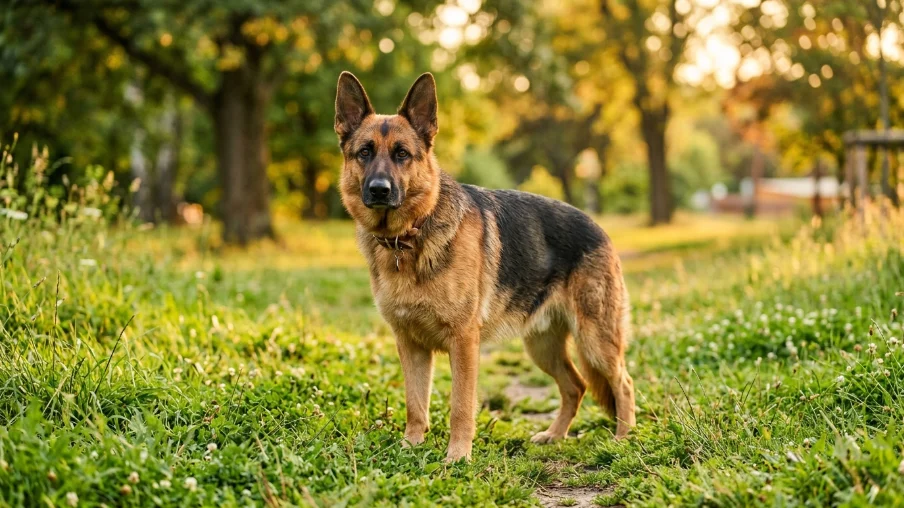
A Mini German Shepherd is a smaller version of the traditional German Shepherd, usually created by crossing a German Shepherd with a smaller breed or through selective breeding. While their compact size appeals to many families, temperament, health, and genetic background matter far more than appearance alone.
Experienced breeders focus on stability, structure, and health rather than simply producing the smallest possible dogs.
Quick Snapshot Table
| Category | Key Details |
|---|---|
| Breed Type | Small German Shepherd mix or selectively bred line |
| Common Name | Mini German Shepherd |
| Breed Status | Not an officially recognized purebred breed |
| Origin | Usually created through selective breeding or crossbreeding |
| Common Mixes | German Shepherd × Border Collie, Poodle, Corgi, Husky, or smaller herding breeds |
| Height | 15–22 inches |
| Weight | 20–50 lbs |
| Size Category | Medium-sized companion and working dog |
| Body Structure | Athletic, agile, compact |
| Coat Type | Dense double coat in most lines |
| Coat Length | Short, medium, or long depending on lineage |
| Common Colors | Black and tan, sable, black, bi-color, cream, mixed patterns |
| Temperament | Loyal, intelligent, alert |
| Intelligence Level | Very high |
| Protective Instinct | Moderate to strong |
| Confidence Level | Usually confident and curious |
| Energy Level | High |
| Exercise Needs | 60–120 minutes daily |
| Mental Stimulation Needs | High |
| Trainability | Excellent |
| Learning Speed | Fast learner with strong problem-solving ability |
| Family Friendly | Usually yes |
| Good With Children | Generally yes |
| Good With Other Pets | Often good with early socialization |
| Good for First-Time Owners? | More manageable than a standard German Shepherd but still requires training |
| Apartment Friendly | Better than standard GSD |
| Barking Level | Moderate |
| Drooling Level | Low |
| Protection Ability | Moderate |
| Guard Dog Potential | Good alert watchdog |
| Working Ability | Strong in obedience, agility, scent work, and dog sports |
| Socialization Needs | Early socialization highly recommended |
| Shedding | Moderate to heavy |
| Seasonal Coat Blow | Common twice yearly |
| Grooming Needs | Moderate |
| Brushing Frequency | 2–4 times weekly |
| Climate Tolerance | Good in cool and moderate climates |
| Heat Tolerance | Moderate with proper hydration |
| Lifespan | 10–15 years |
| Health Outlook | Varies significantly based on parent breeds |
| Common Health Issues | Hip dysplasia, allergies, eye issues, joint problems |
| Hybrid Vigor Potential | Some mixes may benefit from broader genetic diversity |
| Diet Needs | High-quality protein-rich diet |
| Average Puppy Price (2026) | $800–$3,500+ |
| Adoption Availability | Frequently found through rescues and shelters |
| Breeder Warning | Verify parent breeds, health testing, and temperament history |
| Ethical Concern | Some breeders market “mini German Shepherds” without transparent genetics |
| Popularity | Increasing among families seeking a smaller shepherd-type dog |
| Best For | Active families, apartment dwellers with exercise commitment, and first-time shepherd enthusiasts |
| Expert Ownership Advice | Choose based on temperament and health testing rather than size alone, as behavior can vary greatly depending on the mix used to create the dog |
Why Mini German Shepherds Have Become So Popular
Many people love German Shepherds but worry about handling a large working dog.
The Mini German Shepherd offers a potential solution.
Owners are often attracted to:
- smaller size
- easier handling
- lower space requirements
- classic shepherd appearance
However, here is where many buyers get it wrong.
Mini German Shepherds are not an officially recognized breed. Their appearance, temperament, and health can vary significantly depending on how they were bred.
What Is a Mini German Shepherd?
A Mini German Shepherd is not a separate breed.
Most are produced by crossing a German Shepherd with a smaller breed such as:
- Border Collie
- Poodle
- Siberian Husky
- Corgi
- Miniature Poodle
Some breeders also use selective breeding to reduce size over generations.
The result is a dog that often resembles a German Shepherd while remaining noticeably smaller.
How Mini German Shepherds Are Created
German Shepherd Mixes
The most common method involves crossing a German Shepherd with a smaller breed.
This can reduce:
- height
- weight
- exercise demands
However, it also introduces variability.
No two litters are exactly alike.
Selective Breeding Programs
Some breeders selectively breed smaller German Shepherds over multiple generations.
The goal is often to:
- preserve shepherd appearance
- maintain intelligence
- reduce overall size
Results can vary considerably depending on the bloodline.
Size and Physical Appearance
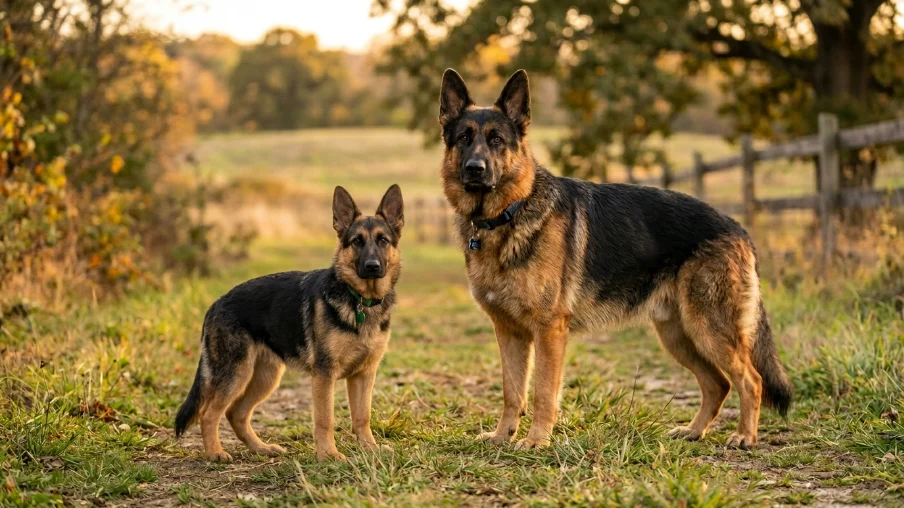
How Big Does a Mini German Shepherd Get?
There is no universal size standard.
Most adults fall within the following range:
| Gender | Height | Weight |
|---|---|---|
| Female | 15–20 inches | 20–40 lbs |
| Male | 17–22 inches | 25–50 lbs |
Size depends heavily on:
- parent breeds
- genetics
- nutrition
- breeding goals
Physical Characteristics
Many Mini German Shepherds retain:
- upright ears
- athletic body
- shepherd-like face
- intelligent expression
Some may inherit traits from the secondary breed, creating unique appearances.
Temperament and Personality
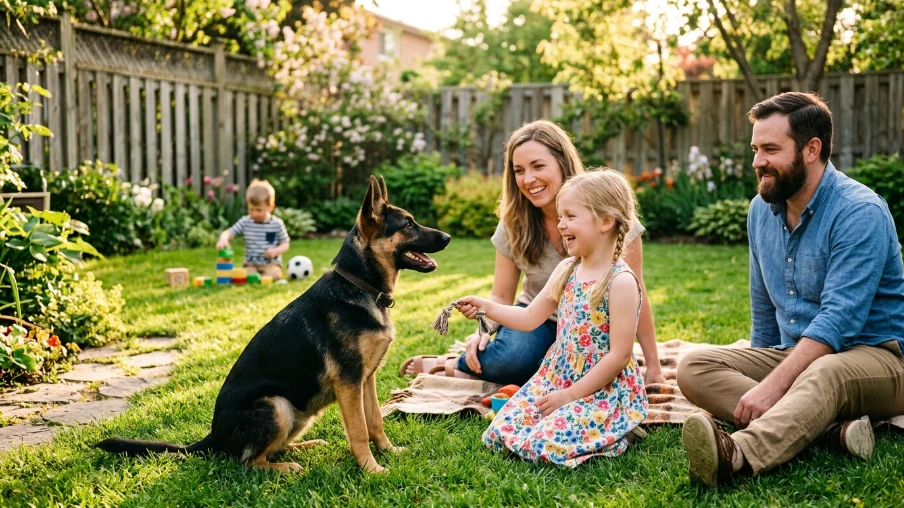
Do Mini German Shepherds Act Like German Shepherds?
Many do.
However, personality depends on both parent breeds.
Common traits include:
- loyalty
- intelligence
- alertness
- eagerness to learn
Many still develop strong bonds with their families.
Energy and Drive Levels
Most Mini German Shepherds remain active dogs.
They often require:
- daily exercise
- mental stimulation
- structured routines
A smaller body does not necessarily mean lower energy.
This surprises many first-time owners.
Training and Intelligence
Are Mini German Shepherds Easy to Train?
In many cases, yes.
Their intelligence often comes directly from German Shepherd ancestry.
Most respond well to:
- positive reinforcement
- consistency
- engagement-based training
Common Training Challenges
Owners sometimes encounter:
- excessive barking
- separation anxiety
- stubborn periods
- herding behaviors
Early training significantly improves long term behavior.
Exercise Requirements
Daily Activity Needs
Most Mini German Shepherds require:
- 60 to 120 minutes of activity daily
- obedience work
- enrichment games
- social interaction
Best Activities
Popular options include:
- hiking
- agility
- fetch
- obedience sports
- scent games
Mental exercise is often just as important as physical exercise.
Puppy Development Timeline
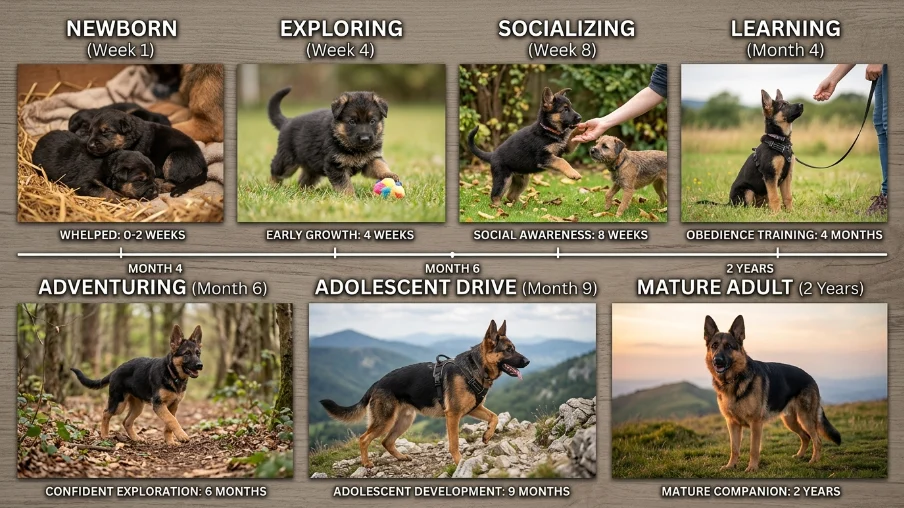
Most Mini German Shepherd puppies grow more slowly than standard German Shepherds but often mature faster mentally.
Growth Timeline Table
| Age | Development Stage |
|---|---|
| Birth to 4 Weeks | Rapid early growth |
| 5 to 8 Weeks | Increased social awareness |
| 2 to 3 Months | Basic learning accelerates |
| 3 to 5 Months | Confidence and exploration increase |
| 5 to 8 Months | Adolescence begins |
| 8 to 12 Months | Physical growth slows |
| 12 to 18 Months | Adult temperament develops |
What Owners Usually Notice
Most puppies begin showing:
- strong curiosity
- high intelligence
- attachment to family
The adolescent phase often brings:
- boundary testing
- increased independence
- higher energy levels
Consistent structure becomes especially important during this period.
Health and Lifespan
Common Health Concerns
Health risks depend largely on genetics.
Potential concerns include:
- hip dysplasia
- elbow dysplasia
- allergies
- degenerative myelopathy
- eye disorders
Mixed breed Mini German Shepherds may sometimes benefit from increased genetic diversity.
Average Lifespan
Most Mini German Shepherds live:
- 10 to 15 years
Proper nutrition, exercise, and preventive care play major roles in longevity.
Grooming and Shedding
Do Mini German Shepherds Shed?
Usually yes.
Many inherit the German Shepherd’s dense double coat.
Owners should expect:
- seasonal shedding
- regular brushing
- loose fur throughout the home
Grooming Routine
A typical schedule includes:
- brushing several times weekly
- nail trimming
- ear cleaning
- dental care
Consistent grooming helps maintain skin and coat health.
Common Mistakes New Owners Make
Choosing Based Only on Size
Many buyers focus entirely on appearance.
The real issue is temperament compatibility.
Underestimating Exercise Needs
Even smaller shepherds often have working dog energy levels.
Ignoring Parent Breed Traits
The secondary breed influences behavior significantly.
Researching both parent breeds is essential.
Insights Most Articles Miss
Smaller Does Not Mean Easier
Many Mini German Shepherds remain highly intelligent and energetic.
Some require nearly as much training as full-sized German Shepherds.
Genetics Matter More Than Size
A well-bred larger dog is often easier to live with than a poorly bred smaller one.
Temperament Should Be the Priority
Experienced breeders focus on:
- confidence
- stability
- health
- trainability
Appearance alone tells you very little about long term quality.
Buyer Warning Section
Red Flags to Watch For
Be cautious if a breeder:
- guarantees exact adult size
- promotes unrealistic claims
- refuses health testing
- focuses only on appearance
- cannot explain parent breeds
What Responsible Breeders Provide
Quality breeders typically offer:
- health records
- genetic testing information
- temperament evaluations
- detailed pedigree information
Lifestyle Compatibility
| Lifestyle | Good Match? |
|---|---|
| Active Family | Excellent |
| Apartment Living | Possible |
| First Time Owner | Sometimes |
| Working Dog Enthusiast | Excellent |
| Sedentary Household | Poor |
| Outdoor Lifestyle | Excellent |
Preparation Checklist
You May Be Ready If:
- you enjoy training dogs
- you can provide daily exercise
- you understand working breed traits
- you want an involved companion
You May Want Another Breed If:
- you prefer low energy dogs
- you travel frequently
- you dislike shedding
- you want a low maintenance pet
Frequently Asked Questions
Is a Mini German Shepherd a real breed?
No. It is generally a mix or selectively bred smaller variation rather than an officially recognized breed.
How much does a Mini German Shepherd cost?
Prices often range from $500 to $3,000 or more depending on lineage, breeder reputation, and location.
Do Mini German Shepherds stay small forever?
Yes. They remain significantly smaller than standard German Shepherds, though exact size varies.
Are Mini German Shepherds good family dogs?
Many are excellent family companions when properly trained and socialized.
Do Mini German Shepherds shed a lot?
Most shed moderately to heavily, especially if they inherit a double coat.
Are Mini German Shepherds easier than German Shepherds?
Not always. Many retain the intelligence, energy, and training needs of larger German Shepherds.
Conclusion
The Mini German Shepherd appeals to owners who love the intelligence and loyalty of German Shepherds but prefer a more compact companion. However, smaller size does not automatically mean easier ownership.
The best Mini German Shepherds come from responsible breeding programs that prioritize health, temperament, and structure over appearance alone.
For most owners, long term success depends far more on genetics, training, and lifestyle compatibility than on size itself.