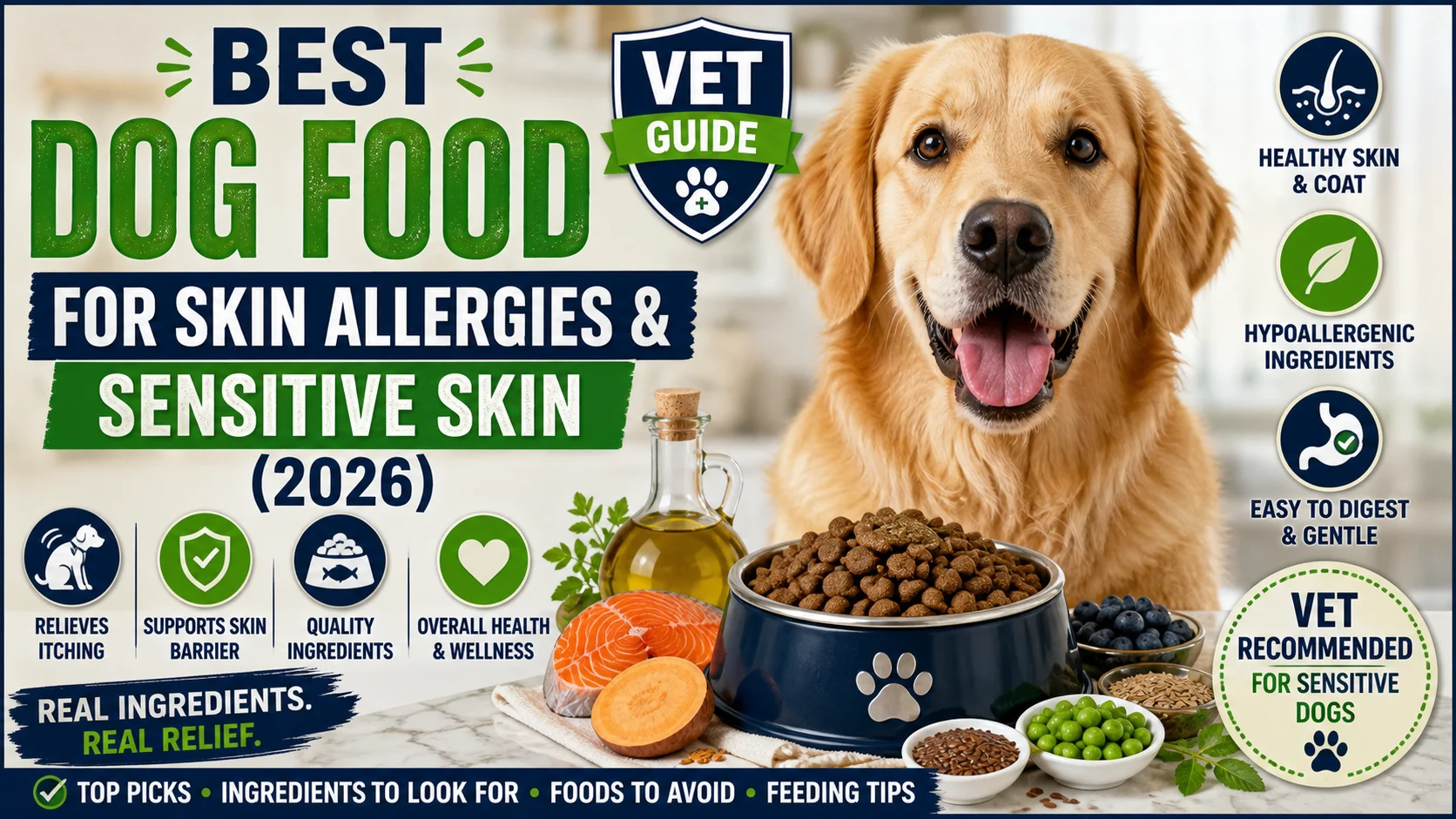
The best dog food for skin allergies is a hydrolyzed or novel protein diet chosen for your dog’s specific triggers. For sensitive skin, prioritize balanced nutrition, omega 3s and veterinary guidance.
Quick Snapshot Table
| Category | Best Approach |
|---|---|
| Best Overall Approach | Diet matched to the suspected trigger |
| Mild Food Sensitivity | Limited ingredient or novel protein diet |
| Confirmed Food Allergy | Veterinary supervised elimination diet |
| Severe Food Allergy | Prescription hydrolyzed protein diet |
| Best Dry Food for Skin Allergies | Veterinary hydrolyzed kibble when clinically indicated |
| Skin Support | Omega 3 fatty acids, adequate essential nutrients |
| Common Protein Triggers | Beef, dairy, chicken and lamb |
| Diagnosis | Elimination diet followed by controlled challenge |
| Typical Trial | About 8 to 12 weeks, depending on veterinary protocol |
| Main Warning | OTC “hypoallergenic” food is not automatically diagnostic |
| Best First Step | Speak with your veterinarian |
What Is the Best Dog Food for Skin Allergies?
The best dog food for skin allergies is not one specific brand or recipe for every dog. If a food allergy is suspected, veterinarians commonly use a carefully controlled elimination diet with either a properly selected novel protein or a hydrolyzed protein diet. Prescription therapeutic diets are generally preferred for diagnostic trials because their ingredient control is more reliable.
For dogs that simply have sensitive skin rather than a confirmed food allergy, a complete and balanced diet containing appropriate essential fatty acids, particularly marine omega 3s such as EPA and DHA, may help support normal skin barrier and coat health.
The important distinction is this:
Sensitive skin is not automatically a food allergy.
Environmental allergies, parasites, infections and other dermatological conditions can all cause itching.
Best Dog Food for Sensitive Skin at a Glance
| Dog’s Situation | Food Type to Discuss With Your Vet |
|---|---|
| Mild digestive or skin sensitivity | Limited ingredient diet |
| Suspected food allergy | Novel protein elimination diet |
| Multiple previous diets | Hydrolyzed protein diet |
| Severe or persistent symptoms | Veterinary therapeutic diet |
| Environmental allergy plus skin disease | Skin focused veterinary diet |
| Puppy with suspected allergy | Age appropriate veterinary diet |
| Dog with recurrent ear and skin problems | Veterinary evaluation before changing food |
Why Your Dog’s Food May Matter
Food can contribute to skin disease in some dogs, but it is important not to assume that every itchy dog has a food allergy.
A dog with a food related reaction may develop:
- persistent itching
- recurrent ear inflammation
- red or irritated skin
- paw licking
- recurrent skin infections
- digestive problems in some cases
Food allergies are only one possible explanation for these symptoms.
That distinction can save owners months of changing foods without solving the underlying problem.
Food Allergy vs Sensitive Skin
These terms are often used interchangeably online, but they are not identical.
Food Allergy
A food allergy involves an immune response to a particular dietary component, usually a protein.
Diagnosis is generally based on improvement during a strict elimination diet followed by recurrence when the suspected ingredient is reintroduced.
Food Sensitivity
“Food sensitivity” is a broader term that may be used when a dog appears to react poorly to a food without the reaction necessarily being a confirmed immune mediated allergy.
Sensitive Skin
Sensitive skin can have many causes, including:
- environmental allergens
- parasites
- bacterial or yeast infections
- excessive bathing
- nutritional problems
- genetic predisposition
This is why simply buying “sensitive skin dog food” may not fix chronic itching.
What Ingredients Should You Look For?
There is no universal ingredient list that works for every allergic dog.
However, certain nutritional features can be useful depending on the dog’s individual situation.
Omega 3 Fatty Acids
Marine omega 3 fatty acids such as EPA and DHA are commonly included in skin focused diets because they can support normal inflammatory processes and skin barrier function.
Look for foods containing sources such as:
- fish oil
- salmon
- marine fish ingredients
- other clearly identified omega 3 sources
High Quality Protein
Protein remains essential for:
- muscle maintenance
- tissue repair
- immune function
- healthy skin and coat
The goal is not to eliminate protein.
The goal is to identify a protein source the individual dog can tolerate.
Digestible Carbohydrates
A sensitive dog may do better with a diet containing highly digestible carbohydrate sources, particularly when gastrointestinal symptoms occur alongside skin problems.
But carbohydrates are not automatically the cause of canine skin allergies.
Essential Nutrients
A complete diet should provide appropriate amounts of:
- essential fatty acids
- zinc
- copper
- vitamins
- amino acids
- high quality protein
Skin health depends on the entire nutritional profile, not one fashionable ingredient.
Dry Food for Skin Allergies
Dry food can be an excellent option for dogs with skin problems when the formula is appropriate for the dog’s condition.
The key is understanding the difference between ordinary sensitive skin kibble and a therapeutic elimination diet.
What Makes Dry Food Useful?
A good dry formula can provide:
- consistent nutrient intake
- convenient portion control
- stable storage
- controlled ingredients
- targeted skin support
For dogs with confirmed or strongly suspected food allergies, veterinary hydrolyzed dry foods are often used because the proteins have been broken into smaller fragments that are less likely to be recognized by the immune system.
When Regular OTC Kibble Is Not Enough
An over the counter limited ingredient food may look ideal on the label but still be unsuitable for a formal elimination trial.
AAHA guidance notes that undeclared protein contamination can occur in OTC diets, which can undermine the diagnostic value of an elimination trial.
That is an important distinction many commercial “hypoallergenic” food articles miss.
Hydrolyzed Protein Dog Food
Hydrolyzed diets are particularly important when a genuine food allergy is suspected.
How Hydrolyzed Protein Works
Instead of feeding an intact protein source, manufacturers break proteins into much smaller fragments.
These fragments are less likely to trigger recognition by the immune system.
Extensively hydrolyzed diets generally provide greater protection against reactions than partially hydrolyzed diets, although no diet can guarantee zero reactions.
Common Veterinary Hydrolyzed Options
Veterinarians may consider therapeutic diets such as:
- Hill’s Prescription Diet z/d
- Royal Canin Veterinary Diet Hydrolyzed Protein
- Purina Pro Plan Veterinary Diets HA Hydrolyzed
These are examples of veterinary diets rather than universal recommendations.
Limited Ingredient Dog Food
Limited ingredient diets reduce the number of dietary ingredients, making it easier to control potential exposures.
They may use proteins such as:
- duck
- rabbit
- venison
- fish
But “limited ingredient” does not automatically mean “hypoallergenic.”
The selected protein must also be genuinely appropriate for the dog’s dietary history.
Novel Protein Diets
A novel protein is one your dog has not previously consumed regularly.
For example, if a dog has spent years eating chicken and beef, simply switching between different chicken recipes is not a meaningful novel protein trial.
Veterinary guidance stresses that the chosen novel protein must be selected carefully based on the dog’s previous diet.
Best Dog Food for Skin Allergies by Situation
| Situation | Most Appropriate Approach |
|---|---|
| Occasional mild itching | Investigate environmental and dietary causes |
| Sensitive skin with no confirmed allergy | Complete skin supportive diet |
| Suspected food allergy | Strict elimination diet |
| Dog has eaten many proteins | Hydrolyzed veterinary diet may be easier |
| Recurrent ear infections | Veterinary examination plus diet assessment |
| Severe chronic itching | Veterinary dermatology evaluation |
| Puppy with skin problems | Veterinary guidance before restrictive feeding |
| Multiple allergies | Individualized therapeutic nutrition |
How to Choose Sensitive Skin Dog Food
Step 1: Identify the Main Problem
Ask whether your dog has:
- itching
- ear problems
- paw licking
- skin redness
- hair loss
- digestive symptoms
Different problems can have different causes.
Step 2: Review Previous Foods
Write down every major protein your dog has eaten.
Include:
- chicken
- beef
- lamb
- fish
- eggs
- dairy ingredients
- treats
- dental chews
This information becomes extremely useful if your veterinarian recommends a diet trial.
Step 3: Choose the Correct Diet Category
Do not automatically jump to the most expensive food.
A dog with mild skin sensitivity and a dog with confirmed food allergy may require completely different dietary strategies.
Step 4: Keep the Trial Strict
This is where many owners accidentally invalidate the entire process.
During a diagnostic elimination diet, avoid:
- table scraps
- random treats
- flavored chews
- unauthorized supplements
- foods containing previous proteins
A strict trial means the prescribed diet must be fed exclusively for the recommended period.
How Long Does a Food Allergy Trial Take?
An elimination diet is not a three day experiment.
Veterinary references commonly describe trials lasting several weeks, with some evidence suggesting that at least 10 weeks may be required to identify most food allergic patients.
Your veterinarian may choose a different duration based on the dog’s symptoms and treatment plan.
Why Owners Give Up Too Early
Skin does not instantly repair itself after changing food.
Even when the trigger has been removed, inflammation and secondary infections may need additional time and medical treatment.
That is why changing foods repeatedly every week usually creates confusion rather than answers.
How to Transition to a New Dog Food
For a normal food transition, gradually replace the old diet over approximately 7 to 10 days.
| Days | Old Food | New Food |
|---|---|---|
| 1 to 3 | 75% | 25% |
| 4 to 6 | 50% | 50% |
| 7 to 9 | 25% | 75% |
| 10+ | 0% | 100% |
If your veterinarian is beginning a strict elimination trial, follow their specific transition and feeding instructions rather than improvising.
Common Mistakes Dog Owners Make
Choosing Food Based Only on the Front Label
Words such as:
- sensitive skin
- hypoallergenic
- natural
- limited ingredient
do not prove that a food is appropriate for your dog’s specific allergy.
Changing Foods Too Frequently
Constantly switching between formulas makes it difficult to determine what your dog actually tolerates.
Ignoring Treats
A carefully selected main food cannot produce a meaningful elimination trial if the dog receives chicken treats every afternoon.
Assuming Grain Free Means Allergy Free
Grain free does not automatically mean hypoallergenic.
A dog can react to animal proteins, and removing grains does not solve every food related problem.
Blaming Food for Every Itchy Dog
Environmental allergies are an important cause of canine skin disease.
If food changes repeatedly fail, the answer may not be another bag of kibble.
What Most Dog Food Articles Miss
Skin Allergies Are Not Always Caused by Food
This is probably the most important point.
A dog can have severe itching despite eating an excellent diet.
Environmental allergens, fleas and secondary infections can all produce similar symptoms.
Ingredient Quality Is Not the Same as Allergy Control
A premium ingredient list does not automatically make a food suitable for a food allergic dog.
For an elimination trial, ingredient control and diagnostic reliability matter more than marketing language.
“Natural” Does Not Mean Hypoallergenic
A natural food can still contain a protein that triggers your dog’s reaction.
Fish Is Not Automatically Safe
Fish can be a useful protein option for some dogs, but it is not universally hypoallergenic.
Previous dietary exposure matters when selecting a novel protein.
When You Should See a Veterinarian
Do not rely on food changes alone when your dog has:
- severe itching
- open sores
- recurrent ear infections
- widespread hair loss
- persistent skin infections
- facial swelling
- vomiting or diarrhea
- rapidly worsening symptoms
A veterinarian can determine whether the problem is dietary, environmental, infectious or a combination.
Buyer Guide: What to Look for on the Bag
Before purchasing sensitive skin dog food, check:
Protein Source
Ask:
- Is the protein clearly identified?
- Has my dog eaten it before?
- Is it appropriate for an elimination trial?
Fatty Acids
Look for clearly identified sources of omega 3 fatty acids.
Nutritional Adequacy
The food should be appropriate for your dog’s:
- age
- size
- life stage
- health status
Ingredient Transparency
A short ingredient list can be useful, but it should never replace veterinary diagnosis when an actual allergy is suspected.
Lifestyle and Feeding Compatibility
| Dog Type | Dietary Consideration |
|---|---|
| Adult dog with mild sensitivity | Skin supportive complete diet |
| Puppy with suspected allergy | Veterinary guided puppy nutrition |
| Senior dog with allergies | Allergy management plus senior needs |
| Highly active working dog | Allergy management plus calorie needs |
| Dog with confirmed food allergy | Strict therapeutic diet |
| Dog with multiple medical problems | Individual veterinary nutrition plan |
Preparation Checklist
Before switching food, write down:
☐ Current food and protein sources
☐ Treats and dental chews
☐ Supplements
☐ Previous foods your dog has eaten
☐ Current skin symptoms
☐ Ear problems
☐ Digestive symptoms
☐ Current medications
☐ Previous allergy treatments
☐ Veterinarian’s recommended diet plan
This simple record can make the food selection process much more precise.
Frequently Asked Questions
What is the best dog food for skin allergies?
There is no single best food for every allergic dog. For confirmed food allergy, veterinary hydrolyzed or carefully selected novel protein diets are commonly used as part of a supervised elimination trial. Merck Veterinary Manual
What is the best dog food for sensitive skin?
For dogs without a confirmed food allergy, choose a complete and balanced diet appropriate for the dog’s life stage and consider formulas with skin supportive nutrients such as EPA and DHA omega 3 fatty acids. Dog Food Advisor
Is dry food good for dogs with skin allergies?
Yes. Dry food can work well, including veterinary hydrolyzed diets when a food allergy is suspected. The important factor is the nutritional and ingredient profile, not whether the food is dry or wet.
What protein is best for dogs with skin allergies?
There is no universally safest protein. A novel protein may work when the dog has not previously eaten it, while hydrolyzed protein may be preferable for some dogs with confirmed allergies.
Does grain free dog food help skin allergies?
Not necessarily. Grain free does not mean allergy free, and eliminating grains is not an appropriate solution for every itchy dog.
How long should I feed dog food for sensitive skin?
If you are simply using a skin supportive diet, duration depends on your dog’s response and nutritional needs. If the food is being used for an allergy elimination trial, follow your veterinarian’s prescribed duration because diagnostic trials generally require several weeks of strict feeding.
Can changing dog food stop itching?
It can help when food is genuinely contributing to the problem, but diet will not resolve every cause of itching. Flea allergy, environmental allergy and skin infections may require separate treatment.
Should I use prescription dog food for allergies?
If your veterinarian suspects a true food allergy, prescription hydrolyzed or veterinary novel protein diets can be particularly useful because they offer tighter ingredient control for diagnostic trials.
Conclusion
The best dog food for skin allergies is not necessarily the most expensive food, the newest formula, or the one with the longest ingredient list.
The right choice depends on why your dog is itching.
For ordinary sensitive skin, a complete diet with appropriate nutrition and skin supportive fatty acids may be useful. For suspected or confirmed food allergy, the approach changes: a carefully controlled elimination diet using a veterinary hydrolyzed or genuinely novel protein formula is much more informative than repeatedly switching between supermarket foods.
The biggest mistake is treating sensitive skin, food intolerance, and true food allergy as the same problem.
Identify the cause first, choose the diet accordingly, and give the plan enough time to produce a meaningful result.