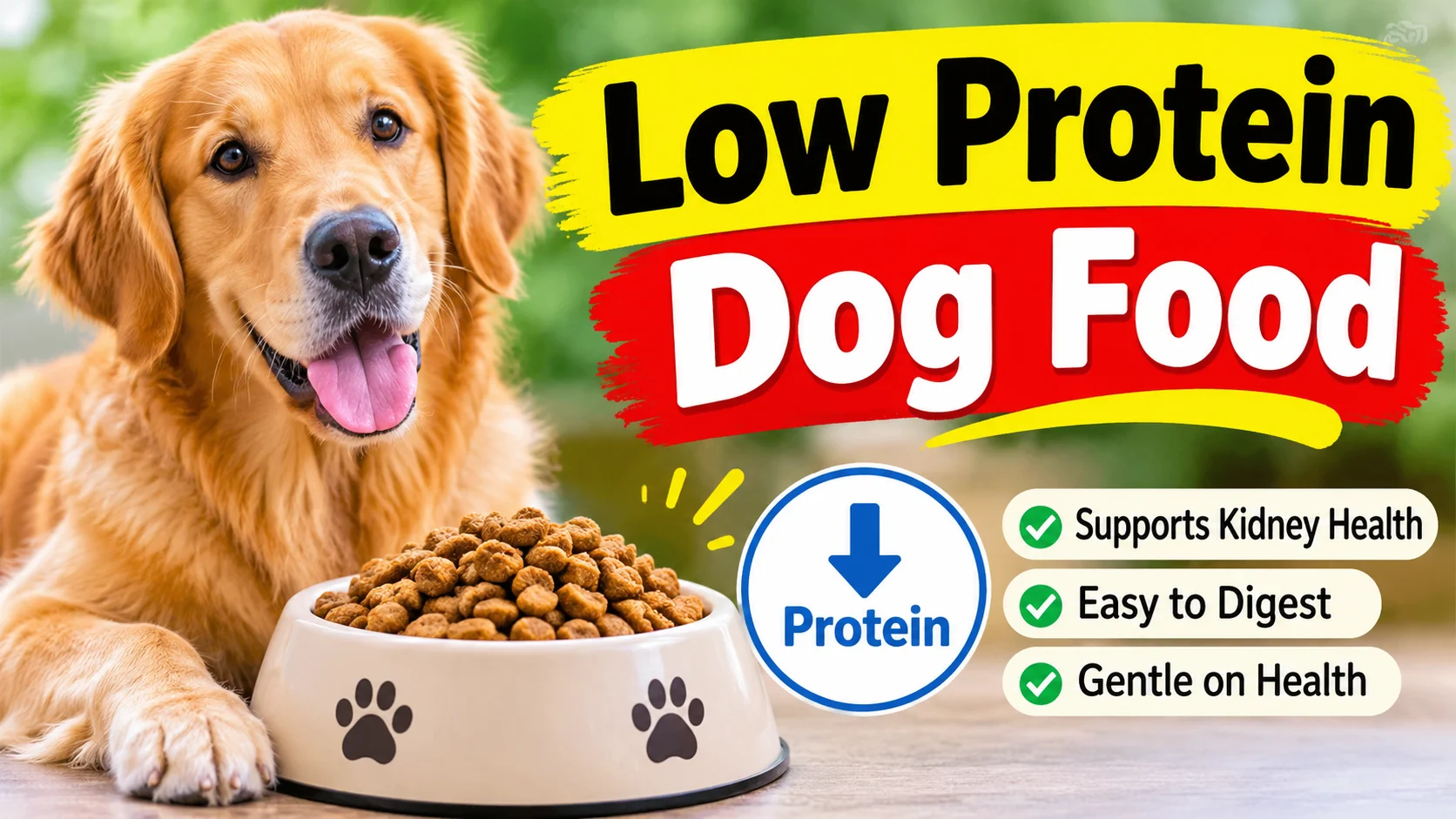
Low protein dog food contains reduced amounts of dietary protein and is typically recommended for dogs with certain kidney or liver conditions under veterinary supervision. It may help manage specific health problems, but most healthy dogs do not need a low-protein diet. The ideal protein level depends on your dog’s age, health, activity level, and nutritional requirements. Always consult a veterinarian before changing your dog’s diet.
Low protein dog food is specially selected or formulated for dogs that need to consume less dietary protein because of certain medical conditions. Veterinarians may recommend protein-controlled diets for some dogs with chronic kidney disease, liver disease, or specific metabolic disorders.
However, low protein dog food is not suitable for every dog. Protein is essential for maintaining muscles, repairing tissues, supporting the immune system, and producing important enzymes and hormones. Feeding too little protein can cause muscle loss, poor body condition, and nutritional deficiencies.
The goal is not to eliminate protein but to provide the right amount and quality for the dog’s individual needs.
This guide explains when low protein dog food may be appropriate, which veterinary diets are worth discussing with your veterinarian, how to compare protein levels, and what to consider before changing your dog’s food.
What Is Low Protein Dog Food?
Low protein dog food contains less dietary protein than many standard dog foods. Some formulas are designed specifically for dogs with medical conditions that require controlled protein intake.
These foods are often part of a broader nutritional strategy. For example, veterinary kidney diets typically modify not only protein but also phosphorus, sodium, potassium, and other nutrients.
There are three important categories:
- Veterinary therapeutic low protein food: Formulated for dogs with specific medical conditions, such as chronic kidney disease.
- Protein-controlled maintenance food: Provides a selected protein level for dogs with particular nutritional needs.
- Homemade low protein food: Prepared using carefully selected ingredients and a professionally balanced recipe.
A food with a low crude protein percentage is not automatically a suitable therapeutic diet. The complete nutrient profile matters.
Best Low Protein Dog Food Options
Several veterinary diets are formulated for dogs that need controlled protein intake, particularly those with kidney disease.
The following products are options to discuss with a veterinarian. Availability and exact formulations can vary by country.
| Dog Food | Type | Main Nutritional Purpose |
| Hill’s Prescription Diet k/d | Veterinary therapeutic | Kidney support with controlled protein and phosphorus |
| Royal Canin Veterinary Renal | Veterinary therapeutic | Nutritional management of chronic kidney disease |
| Purina Pro Plan Veterinary Diets NF Kidney Function | Veterinary therapeutic | Kidney support with modified protein and phosphorus |
| JustFoodForDogs Veterinary Diet Renal Support Low Protein | Veterinary therapeutic | Fresh-food renal support |
| Other veterinary renal formulas | Veterinary therapeutic | Individualized kidney nutrition |
1. Hill’s Prescription Diet k/d
<text>Hill’s Prescription Diet k/d is a veterinary kidney-support diet developed for dogs with chronic kidney disease.</text>
It modifies several nutritional factors, including protein and phosphorus, to help manage the dietary needs associated with impaired kidney function.
Potential benefits:
- Controlled amounts of high-quality protein.
- Restricted phosphorus.
- Formulated for kidney support.
- Available in dry and canned varieties in some markets.
- Designed to provide complete nutrition for its intended life stage.
Things to consider:
This is a therapeutic diet rather than a general low protein food. Your veterinarian should determine whether it is appropriate for your dog’s kidney disease stage and overall health.
2. Royal Canin Veterinary Renal
Royal Canin Veterinary Renal is designed for dogs with chronic kidney disease and is available in different formats and product variations depending on the market.
Its nutritional approach includes controlled protein and phosphorus, along with other adjustments intended to support dogs with reduced kidney function.
Potential benefits:
- Modified protein content.
- Restricted phosphorus.
- Energy-dense formulation.
- Options designed to encourage appetite.
- Different textures and formats in some regions.
Things to consider:
Dogs with kidney disease may experience nausea or reduced appetite. A therapeutic food only helps when the dog eats enough of it to maintain adequate calorie intake.
3. Purina Pro Plan Veterinary Diets NF Kidney Function
Purina Pro Plan Veterinary Diets NF Kidney Function is a veterinary renal diet designed for dogs requiring nutritional management of kidney disease.
It provides modified levels of protein and phosphorus while supplying other nutrients needed for daily maintenance.
Potential benefits:
- Controlled protein intake.
- Restricted phosphorus.
- Formulated for kidney support.
- Available in different formats in selected markets.
Things to consider:
Not every dog with an abnormal kidney blood test needs the same degree of protein restriction. Your veterinarian should interpret blood and urine results before selecting a renal formula.
4. JustFoodForDogs Veterinary Diet Renal Support Low Protein
JustFoodForDogs Veterinary Diet Renal Support Low Protein is a fresh-food option designed for dogs requiring a kidney-supportive nutritional plan.
Potential benefits:
- Fresh-food format.
- Formulated for renal nutritional support.
- Controlled protein and other kidney-related nutrients.
- May be an option for dogs that prefer softer food textures.
Things to consider:
Check the current product formulation and intended feeding instructions. Fresh food is not automatically nutritionally appropriate for every dog with kidney disease, and a veterinarian should confirm its suitability.
Why Do Some Dogs Need Low Protein Dog Food?
Protein restriction is not a routine recommendation for all dogs. It is used selectively when a medical condition makes a controlled protein intake beneficial.
1. Chronic Kidney Disease
Chronic kidney disease (CKD) affects the kidneys’ ability to filter waste products from the blood and maintain normal fluid and mineral balance.
Protein metabolism produces waste products that healthy kidneys help eliminate. In dogs with more advanced kidney disease, reducing excessive dietary protein may help manage certain signs associated with the buildup of these waste products.
However, kidney diets are not simply low protein foods. They also emphasize phosphorus restriction and other nutritional changes.
Dogs with CKD need enough protein to preserve muscle mass. The appropriate amount depends on disease stage, blood results, appetite, and body condition.
2. Certain Liver Diseases
The liver plays an important role in protein metabolism and processing nitrogen-containing waste products.
Some dogs with advanced liver disease may develop hepatic encephalopathy, a condition in which substances associated with protein metabolism contribute to neurological signs.
In selected cases, veterinarians may recommend modifying protein intake or changing protein sources.
However, protein restriction is not appropriate for every dog with liver disease. Many dogs need adequate high-quality protein to prevent muscle loss and support recovery.
3. Hepatic Encephalopathy
Hepatic encephalopathy is a neurological condition associated with impaired liver function and the accumulation of substances that affect the brain.
Possible signs include:
- Confusion or unusual behavior.
- Disorientation.
- Excessive drooling.
- Head pressing.
- Unsteady movement.
- Seizures in severe cases.
Veterinary treatment may involve medication, dietary changes, and management of the underlying liver condition.
Protein management should be individualized. The goal is to provide enough usable protein while minimizing the production and absorption of substances that worsen symptoms.
4. Certain Urinary Conditions
Some dogs with specific metabolic or urinary conditions may benefit from changes in dietary protein sources or purine intake.
For example, dogs prone to certain urate stones may need a diet with controlled purine levels.
This does not necessarily mean that every dog with urinary stones needs a low protein diet. The appropriate nutritional approach depends on the type of stone and its underlying cause.
5. Protein-Losing Kidney Disease
Protein-losing nephropathy occurs when excessive protein is lost through the kidneys and passed into the urine.
Dietary management may include modifying protein intake, but the amount of restriction depends on the dog’s existing diet, urine protein levels, kidney function, and response to medical treatment.
Excessive protein restriction can worsen muscle loss, so these dogs need careful nutritional monitoring.
Does Every Dog With Kidney Disease Need Low Protein Food?
No. This is one of the most important points when choosing a renal diet.
Dogs with early-stage kidney disease may not need the same degree of protein restriction as dogs with more advanced disease.
Veterinary kidney diets generally focus on several nutritional factors:
- Controlled, high-quality protein.
- Reduced phosphorus.
- Appropriate sodium levels.
- Adequate calories.
- Suitable potassium levels.
- Omega-3 fatty acids.
- Nutrients that help manage acid-base balance.
Phosphorus restriction is particularly important in chronic kidney disease. A diet that focuses only on reducing protein may fail to address other major nutritional concerns.
Your veterinarian should consider kidney disease staging, blood phosphorus, urine results, blood pressure, body weight, and muscle condition before recommending a food.
How Much Protein Should Be in Dog Food?
There is no universal protein percentage that is correct for every dog.
Protein values on dog food labels are generally listed as crude protein percentages on an as-fed basis. This can make comparisons difficult because dry kibble and canned food contain different amounts of moisture.
For a more meaningful comparison, protein can be assessed using:
- As-fed percentage: Protein relative to the food’s total weight as sold.
- Dry matter basis: Protein after removing the food’s moisture content.
- Grams per 1,000 calories: Protein relative to the food’s energy content.
For dogs with medical conditions, grams of protein per 1,000 calories can be especially useful when comparing foods.
The appropriate target depends on the diagnosis and the dog’s nutritional requirements. Do not select a diet simply because it has the lowest protein percentage.
What Makes a Good Low Protein Dog Food?
A suitable low protein food must provide balanced nutrition while controlling protein intake.
1. High-Quality Protein
Protein quality matters as much as quantity.
A good therapeutic formula should provide the essential amino acids dogs need for normal body functions.
Highly digestible protein sources can help dogs obtain necessary amino acids without consuming excessive amounts of dietary protein.
2. Controlled Phosphorus
For dogs with chronic kidney disease, phosphorus restriction is often a major nutritional priority.
High phosphorus levels can contribute to complications associated with kidney disease. Veterinary renal diets are designed to control phosphorus while maintaining nutritional balance.
3. Adequate Calories
Dogs with kidney or liver disease may experience reduced appetite and unintended weight loss.
A suitable diet should provide enough calories to maintain a healthy body condition and prevent the body from breaking down its own muscle tissue for energy.
4. Essential Fatty Acids
Some therapeutic renal diets contain omega-3 fatty acids, particularly EPA and DHA.
These fats are included as part of the overall kidney-supportive nutritional approach.
5. Appropriate Vitamins and Minerals
Dogs with chronic medical conditions may have different requirements for certain vitamins, minerals, and electrolytes.
A complete therapeutic formula is designed to account for these needs.
6. Good Palatability
Dogs with kidney disease may experience nausea, appetite changes, or food aversion.
A diet that is nutritionally appropriate but consistently refused will not provide adequate nutrition.
Choose a formula your dog will eat, with veterinary guidance.
Low Protein Dog Food for Kidney Disease
Kidney disease is the most common reason people search for low protein dog food.
When kidney function declines, waste products from normal metabolism can accumulate in the bloodstream. Dietary management helps reduce some of the nutritional challenges associated with this condition.
What Should Dogs With Kidney Disease Eat?
Depending on the dog’s condition, a veterinarian may recommend:
- A complete veterinary renal diet.
- A renal diet with controlled protein and phosphorus.
- Wet renal food to help increase dietary moisture.
- A suitable dry renal formula.
- A professionally formulated homemade renal diet.
The right food depends on kidney disease stage, laboratory findings, appetite, and body condition.
Should Dogs With Kidney Disease Avoid Meat?
No. Dogs with kidney disease do not necessarily need to avoid meat entirely.
They still require essential amino acids to maintain muscles and other body functions.
The concern is excessive or inappropriate protein intake, particularly when the diet also contains too much phosphorus.
Veterinary renal diets use carefully selected protein sources and controlled nutrient levels rather than eliminating protein.
Can Dogs With Kidney Disease Eat Chicken?
Chicken contains protein and phosphorus. Whether it is appropriate depends on the dog’s nutritional plan and the amount being fed.
Adding chicken to a therapeutic renal diet may change its overall protein and phosphorus balance.
Ask your veterinarian before adding meat, treats, or table food to a kidney diet.
Low Protein Dog Food for Liver Disease
Dogs with liver disease do not automatically require low protein food.
Some liver conditions are managed with adequate high-quality protein, while others may require changes in protein amount or source.
When Is Protein Restriction Considered?
A veterinarian may consider protein modification when a dog develops hepatic encephalopathy or has another condition in which certain protein-related metabolic products worsen clinical signs.
The diet may use highly digestible protein sources and carefully selected ingredients.
Why Is Excessive Restriction Dangerous?
Dogs with liver disease can lose muscle mass and develop poor nutritional status.
If dietary protein is reduced too much, the body may break down muscle tissue to obtain amino acids. This can worsen weakness and overall health.
A liver-supportive diet should be designed around the dog’s specific diagnosis rather than relying on a general low protein formula.
Low Protein Dog Food for Senior Dogs
Older dogs sometimes develop kidney or liver conditions that require dietary changes.
However, age alone is not a reason to feed a low protein diet.
Healthy senior dogs still need adequate protein to maintain muscle mass. In fact, insufficient protein can contribute to muscle loss, weakness, and reduced mobility.
Before changing a senior dog’s food, consider:
- Kidney and liver function.
- Body weight and muscle condition.
- Appetite.
- Activity level.
- Existing medical conditions.
- Current protein intake.
A veterinarian can determine whether a therapeutic diet is needed.
Wet vs. Dry Low Protein Dog Food
Both wet and dry veterinary renal diets can be suitable for dogs that need controlled protein intake.
| Feature | Dry Renal Food | Wet Renal Food |
| Moisture | Lower | Higher |
| Texture | Crunchy | Soft |
| Storage | Convenient before opening | Requires refrigeration after opening |
| Water intake | Usually provides less moisture | Adds more dietary moisture |
| Portion measurement | Easy to weigh | Easy to measure by can weight |
| Appetite | Depends on preference | May appeal to some picky dogs |
Wet renal food can help increase water intake, which may be useful for some dogs with kidney disease.
However, wet food is not automatically lower in protein. Compare products using grams of protein per 1,000 calories rather than relying only on the package percentage.
Can You Make Homemade Low Protein Dog Food?
Homemade food may be appropriate for dogs that refuse commercial renal diets or have additional dietary requirements.
However, creating a safe low protein recipe is complicated.
Simply feeding rice, vegetables, and a small amount of meat does not provide complete nutrition.
A properly formulated homemade diet must account for:
- Essential amino acids.
- Appropriate protein quantity.
- Phosphorus.
- Calcium.
- Sodium.
- Potassium.
- Essential fatty acids.
- Vitamins and trace minerals.
- Total calorie requirements.
A board-certified veterinary nutritionist can develop a recipe based on your dog’s diagnosis and laboratory results.
Common Ingredients in Veterinary-Designed Recipes
Depending on the dog’s nutritional requirements, a professionally formulated recipe may use:
- White rice.
- Selected vegetables.
- Appropriate oils.
- Carefully measured protein sources.
- Specialized vitamin and mineral supplements.
The exact ingredients and quantities must be tailored to the individual dog.
Do not use a generic online recipe as a permanent replacement for a therapeutic diet.
How to Transition Your Dog to Low Protein Food
Unless your veterinarian recommends a different approach, a gradual transition can help your dog adjust to a new diet.
| Days | Previous Food | New Food |
| 1–2 | 75% | 25% |
| 3–4 | 50% | 50% |
| 5–6 | 25% | 75% |
| 7 onward | 0% | 100% |
Some dogs need a slower transition, especially if they have a sensitive digestive system or a history of food refusal.
Dogs with advanced kidney disease may already have nausea or reduced appetite. If your dog refuses the new food, contact your veterinarian rather than allowing prolonged inadequate food intake.
How Much Low Protein Dog Food Should You Feed?
The correct amount depends on several factors:
- Current body weight.
- Ideal body weight.
- Body condition.
- Muscle condition.
- Age.
- Activity level.
- Calorie requirements.
- Medical diagnosis.
- Protein and calorie content of the food.
Follow the veterinarian’s feeding recommendation and measure portions consistently.
A kitchen scale is often more accurate than using a measuring cup.
Why Monitoring Muscle Mass Matters
A dog can be overweight and still lose muscle. This is especially important in dogs with chronic kidney disease.
Monitor both body weight and muscle condition. Your veterinarian may assess muscle over the spine, shoulders, skull, and hips during regular checkups.
If your dog is losing weight or muscle, the diet may need adjustment even if its protein percentage appears appropriate.
Treats for Dogs on a Low Protein Diet
Treats can contribute significantly to daily protein intake.
High-protein extras may interfere with a carefully planned renal or liver diet.
Depending on your dog’s condition, your veterinarian may approve selected lower-protein treats or small portions of the prescribed food as rewards.
Potential options to discuss include:
- Small portions of approved vegetables.
- Small pieces of suitable fruit.
- Veterinary-approved therapeutic treats.
- A portion of the dog’s regular renal food.
Not all fruits and vegetables are suitable for every dog. Some contain nutrients, such as potassium or phosphorus, that may need to be considered in particular medical conditions.
Avoid adding large quantities of meat, cheese, organ meats, or high-protein chews without veterinary approval.
Common Mistakes When Choosing Low Protein Dog Food
1. Reducing Protein Without a Diagnosis
Healthy dogs need adequate protein. Feeding a low protein diet without a medical reason can reduce muscle maintenance and nutritional quality.
2. Choosing Food Only by Crude Protein Percentage
A low crude protein number does not reveal the complete nutritional profile.
Compare protein on a dry matter or calorie basis and consider phosphorus and other nutrients.
3. Confusing Kidney Food With Ordinary Low Protein Food
A veterinary renal diet is designed to address several nutritional concerns associated with kidney disease.
An ordinary food with less protein may still contain excessive phosphorus or unsuitable levels of other nutrients.
4. Restricting Protein Too Much
Excessive protein restriction can contribute to muscle loss and malnutrition.
The goal is to provide enough protein for the dog’s needs, not to feed the lowest possible amount.
5. Ignoring Treats and Table Food
Chicken, meat, cheese, dental chews, and other extras can add substantial protein to the daily diet.
Consider everything your dog eats, not just the main food.
6. Changing Food Without Monitoring
Dogs with kidney or liver disease need regular monitoring.
Blood tests, urine tests, body weight, muscle condition, and appetite can help determine whether the nutritional plan is working.
How to Choose the Best Low Protein Dog Food
Before purchasing a low protein formula, consider the following checklist:
- Has a veterinarian diagnosed a condition that requires protein modification?
- Is the food specifically designed for that condition?
- Does it provide appropriate phosphorus levels when kidney support is needed?
- Does it contain high-quality, digestible protein?
- Does it provide enough calories?
- Is it complete and balanced for the dog’s life stage?
- Is the food suitable for other medical conditions?
- Does your dog enjoy eating it?
- Can you monitor weight, muscle condition, and laboratory results?
The best food is not necessarily the one with the lowest protein percentage. It is the one that provides the correct nutritional balance for your dog’s health.
Frequently Asked Questions
Is low protein dog food good for all dogs?
No. Healthy dogs need adequate protein for muscle maintenance, tissue repair, and normal body functions. Low protein food should generally be used when a veterinarian identifies a medical reason for modifying protein intake.
What is the best low protein dog food for kidney disease?
Veterinary renal diets such as Hill’s Prescription Diet k/d, Royal Canin Veterinary Renal, and Purina Pro Plan Veterinary Diets NF Kidney Function are commonly considered. The best option depends on the dog’s kidney disease stage, laboratory results, appetite, and nutritional requirements.
Does high protein dog food cause kidney disease?
High protein intake has not been established as a cause of chronic kidney disease in otherwise healthy dogs. Dogs with existing kidney disease may need dietary modifications, but healthy dogs should not automatically be placed on low protein food.
Can low protein food help dogs with liver disease?
It may help selected dogs with conditions such as hepatic encephalopathy. However, many dogs with liver disease need adequate high-quality protein. Dietary changes should be based on the specific liver condition.
Can senior dogs eat low protein dog food?
Senior dogs do not automatically need low protein food. Adequate protein is important for preserving muscle mass as dogs age. A low protein therapeutic diet may be appropriate if a medical condition requires it.
Can dogs eat eggs on a low protein diet?
Eggs are a source of high-quality protein, so they may not be suitable in large amounts for dogs requiring protein restriction. Ask your veterinarian before adding eggs to a therapeutic diet.
Is rice good for dogs on a low protein diet?
Plain cooked rice contains less protein than many meat-based ingredients and may be included in some veterinary-designed recipes. However, rice alone does not provide complete nutrition and should not replace a balanced diet.
Can dogs with kidney disease eat chicken?
Chicken contains protein and phosphorus. Small amounts may be allowed in some feeding plans, but adding it to a renal diet can alter the nutrient balance. Follow your veterinarian’s instructions.
How do I know if my dog needs low protein food?
Your veterinarian may recommend protein modification after reviewing your dog’s medical history, blood tests, urine tests, and nutritional condition. Kidney disease, certain liver disorders, and specific metabolic conditions may require dietary changes.
Can low protein dog food cause muscle loss?
Yes, excessive protein restriction or inadequate calorie intake can contribute to muscle loss. Dogs on therapeutic diets should be monitored for changes in body weight and muscle condition.
Is low protein food the same as kidney support food?
No. Kidney support foods usually modify several nutrients, including phosphorus, sodium, and protein. Ordinary low protein food may not provide the complete nutritional profile needed by a dog with kidney disease.
Conclusion
Low protein dog food can be useful for dogs with certain medical conditions, particularly chronic kidney disease and selected liver disorders. However, protein is an essential nutrient, and restricting it without a clear medical reason can cause muscle loss and nutritional problems.
Veterinary renal diets such as Hill’s Prescription Diet k/d, Royal Canin Veterinary Renal, and Purina Pro Plan Veterinary Diets NF Kidney Function are options to discuss when kidney support is needed.
The most important step is to match the diet to your dog’s diagnosis, laboratory results, appetite, and body condition. A properly balanced therapeutic diet should provide enough high-quality protein while managing the other nutrients relevant to your dog’s health.